© 2026 Rentokil Initial plc © JP Pest Services. All Rights Reserved.
Ugh. Fruit flies.
As a restaurant or bar owner, you likely know this feeling. Annoyance. And worry about what your employees and guests might think. Fruit fly problems can appear overnight and can seem impossible to solve. And fruit flies aren't the only small flies that can cause problems in your business.
The good news is that small fly problems ARE NOT impossible to solve … and with a little elbow grease and diligent task management, you can avoid many small fly issues in your restaurant.
What is a "small fly?"
For pest control professionals like JP Pest Services, the term "small flies" covers a wider group of flying insects that includes several species of fruit fly (sometimes called vinegar flies), phorid flies, moth flies (also known as drain flies), and a handful of other species.
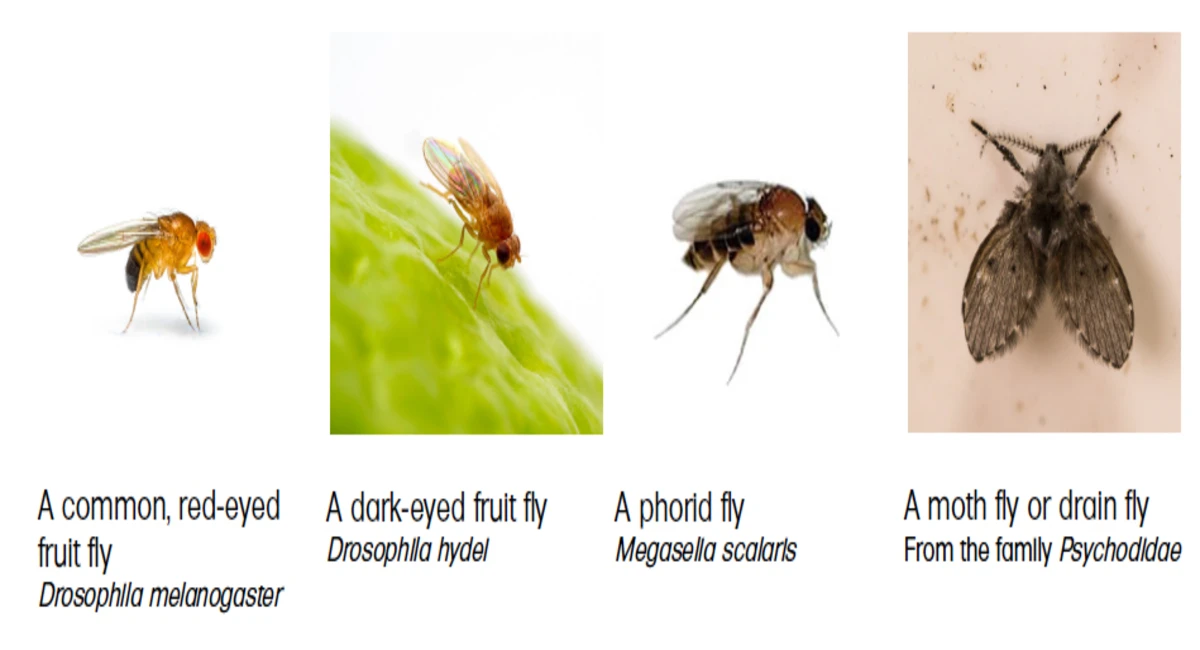
These flies are all categorized by their fast lifecycles and common behaviors of being drawn to and breeding in excessively moist, decaying, or fermenting organic matter and environments.
Small fly problems can happen at any time of year, but they often peak in warm weather months when humidity and high temperatures can help speed the decay of organic material.
Proper identification of small flies is crucial
Aside from persistently annoying your staff and representing a big "ick" factor for your customers, small flies can be a signal of a much larger problem in your business. Small fly infestations typically develop because of a sanitation, plumbing, structural, or even storage issue happening – and usually that moist, organic debris is present.
Unlike larger filth flies such as house flies, small flies are weak fliers. If small flies are plaguing your business, they are typically located very close to the source of the problem.
The type of small fly can also help experienced pest control technicians like your JP Pest Services representatives zero in on the source of the issue. For that reason, proper identification of the specific small fly species is crucial. For example, where common fruit flies may indicate organic debris build-up, a phorid fly issue may point to a broken or cracked pipe that is allowing gray or back water to leach into the soil or a sewage problem. Red-eyed fruit flies are more likely to target fruit and produce, while dark-eyed fruit flies can be an indication of a more out-of-sight, moisture or decay issue.
Once your technician identifies the species of small fly in your facility, they know what breeding conditions to look for. They'll start with a thorough inspection of your facility, which may include:
- Baseboards, walls, and floors
- Under and behind equipment
- Removing drain covers and inspecting drains
- Any equipment served by drain, water, or other beverage lines such as fountain beverage machines, soda guns, sinks, refrigerators, dishwashers and dish machines, etc.
- Drain lines, including smaller drain lines that allow drainage from catch basins/trays in bar taps or soda fountains
- Any areas served by plumbing lines, including bathrooms
- Food storage areas
- Garbage areas, trash and recycling cans, and compactors
Bioremediation: a targeted solution for small flies
In restaurants, floor drains and other drain lines can become a hot spot for small fly breeding through the natural activity in your kitchen, bathrooms, and other areas. As cooking oils, food residues, sugars, and other waste and debris wash into drains, organic debris can build up in lines and pipes, creating a slime that is ideal for small fly breeding. To help prevent this from happening, your technician may recommend a routine bioremediation and drain cleaning services service to help prevent future issues.
In addition to small fly issues, drain line problems can slow your business down, cause costly damage to plumbing, and create unpleasant customer and employee experiences, like permeating odors. Bioremediation can help with all of these concerns.
BIoremediation involves introducing beneficial bacteria into your drains to convert fats, oils, and grease into harmless carbon dioxide and water. By regularly performing this service, you can keep your drain lines free-flowing and free of small fly-attracting organic material. This can be done through a primary, main drain line injection service or through a floor drain and beverage service – or both. This proactive, eco-friendly service not only reduces reliance on pesticides, but it helps maintain your equipment and reduce the likelihood of clog-related plumbing issues in the future.
9 top tips for getting ahead of small fly problems
Drains aren't the only area where small fly problems can develop, of course. But your business doesn't have to suffer through problems.Take a proactive approach by educating your staff on the conditions that are conducive to small fly breeding, small fly attractants, and more. Leverage these nine entomologist recommended tips into your cleaning and sanitation practices to reduce the likelihood of small fly problems.
- Remember FIFO
Small flies are attracted to moisture and sweet odors. Your produce storage can be a bounty for them – a single molding onion or rotting potato is all it takes. To keep your produce from becoming a magnet for small flies, remember the acronym FIFO. It stands for "First In, First Out," meaning that the oldest product should always be used first. Culling produce daily to remove any items that are starting to spoil is also a good practice. - Practice proper bar storage and sanitation
Small fly issues often develop in bar areas due to poor storage of products. Many alcohol products contain lots of sugar – and that can be extremely attractive to pests.
Cap or cover liquor bottles every night, and tightly seal sodas, juices, mixers, and wine. Don't forget to seal bar fruits in covered containers and consider refrigerating them to discourage pest activity. Each night, sweep under the bar and other machinery to remove any food debris that has fallen to the ground. Weekly, be sure to clean catch trays in washing/sanitation machinery to remove pest-attracting food debris. - Repair damaged flooring, tile, grout, and baseboards
Inspect floors and the floor-wall junction regularly for cracks, loose covering, other damage. Cracked tiles, loose flooring, missing grout, unattached baseboard coverings, and other small gaps and cracks can trap moisture and food debris. This organic debris can serve as a breeding source for pests. - Mop floors, don't powerwash
After a long, busy day, your staff may find powerwashing kitchen floors a fast, easy way to clean up. But resist the temptation! Powerwashing can not only damage tile and grout, but it also forces food debris and moisture under equipment, baseboards, and into small cracks and gaps. That creates additional opportunities for small flies and other pests to breed. - Use dry mops and floor fans
After mopping and cleaning at night, use a dry mop to help increase drying time or remove standing water. You can also use industrial floor fans to help dry wet areas quickly and prevent moisture from pooling. This is especially important in areas that retain moisture, such as wet carpeting. - Practice good mop care
After mopping, it is critical to rinse the mop thoroughly, and then hang it properly to dry – don't leave it mop-head down in a corner, where moisture, grease, and food debris can be a target for small flies to breed. Instead, hang the mop upside down, mop head facing up, to dry thoroughly. Also, remember to replace your mop heads regularly or when they become soiled, have excess food debris. - Clean floor drains regularly
Build-up in flood drains is a hot spot for small fly activity – and in fact, can be the overlooked source of a small fly problem. Have drains cleaned on a weekly basis with a stiff drain brush. Remember to use a funnel to cover the brush and prevent splatter, which can contain harmful pathogens that can contaminate food. Don't want to do it yourself? JP Pest Services can help with our bioremediation services. Ask your Technician for more information. - Manage equipment lines: out of sight – not out of mind
The hoses, cords, and other lines that keep your equipment running can be a major source of small fly issues. While these cords may remain out of sight, it's important to remember to practice good maintenance with them. First, inspect under or behind equipment on a weekly basis to ensure that there are no leaks. Use a bright flashlight.
Next, keep any lines present off the floor. Hoses and cords often rest on the floor behind equipment, where they go unmoved for long periods of time. That allows debris and potentially moisture to build up around them. Use a zip tie to keep them raised off the floor; this also helps to prevent damage. Next, remember to have beverage lines flushed or replaced at least once per quarter, as the sugars that are present in many syrups and sodas are highly attractive to small flies. Work with your fountain beverage service company to determine if more frequent line flushes or sanitizing is needed for your facility. JP Pest Services can also conduct bioremediation and cleaning services on these lines to help reduce small fly issues. - Clean your garbage cans and recycling bins
Garbage cans and recycling bins are a beacon for small flies. Remove trash to an outdoor dumpster every night. Always use a sturdy liner in garbage and recycling bins to help prevent build up along the sides and bottom of bins. However, even with liner use, residue will accumulate over time – liners aren't place properly, tear, or leak. This residue is a perfect breeding site for small flies (and can attract other pests like ants, bees and wasps, and cockroaches). To avoid it, clean garbage cans monthly or when they show signs of build-up. Scrub the interior, exterior, sides, and bottom of the can and allow to dry thoroughly before putting back into use.
Fighting small flies? We can help
If your business is struggling with small fly problems, JP Pest Services is ready to help. We would be happy to offer a free inspection of your business and recommend solutions. Give us a call today!
Book Your Free Pest Inspection Today
Our local technicians will assess your property and recommend tailored solutions. Fast, friendly, and completely obligation-free.
- Safe, targeted treatments
- Local experts, fast response
- Trusted, trained technicians