© 2026 Rentokil Initial plc © JP Pest Services. All Rights Reserved.
Building A Robust Bed Bug Response
When bed bugs are identified in a residential or commercial unit, your initial response determines the extent of the infestation and your liability. Whether you manage a historic brownstone in Boston, a sprawling apartment complex in Connecticut, or a multi-unit facility in Northern New England, a structured, robust (defensible) response is critical to limiting pest spread and protecting your brand reputation.
Bed bug treatment eliminates the infestation, but containment determines the severity. To manage this effectively in our region, you should standardize how you confirm reports, assess risk across building structures, such as shared walls and pipe chases common in older New England architecture, and document your actions.
The summer months in New England see increased travel, high-frequency unit turnover, and significant vendor movement across our region. As the National Pest Management Association notes, this environment—combined with the unique infrastructure of multi-unit housing—makes standardized protocols essential for high-density settings from Maine to Rhode Island.
What a “Defensible Response” Looks Like in Practice
A defensible response is a documented, repeatable process proving your management team identified the risk, acted promptly, and followed industry-standard procedures. This protects you in the event of disputes or insurance inquiries. Ultimately, it achieves three goals:
- Containment: Stopping the spread during the initial phase.
- Liability Protection: Creating a paper trail that demonstrates due diligence if legal questions arise.
- Resident Relations: Managing expectations and instructions clearly to reduce panic.
For this to work, sanitation teams and management need to act immediately after a reported sighting, perform professional verification, and maintain detailed, time-stamped records.
The 72-hour Response Window
The initial 72 hours after a report determine whether an incident remains localized or becomes a building-wide issue. In New England, where buildings are often interconnected by wall voids, old pipe chases, and electrical cabling, bed bugs travel rapidly. A defined timeline helps your team maintain control.
- Day 1 (Intake): Log the specific report details (what was seen, the exact location, and the time). Provide the resident with clear, actionable steps, but do not confirm an infestation until after a professional inspection.
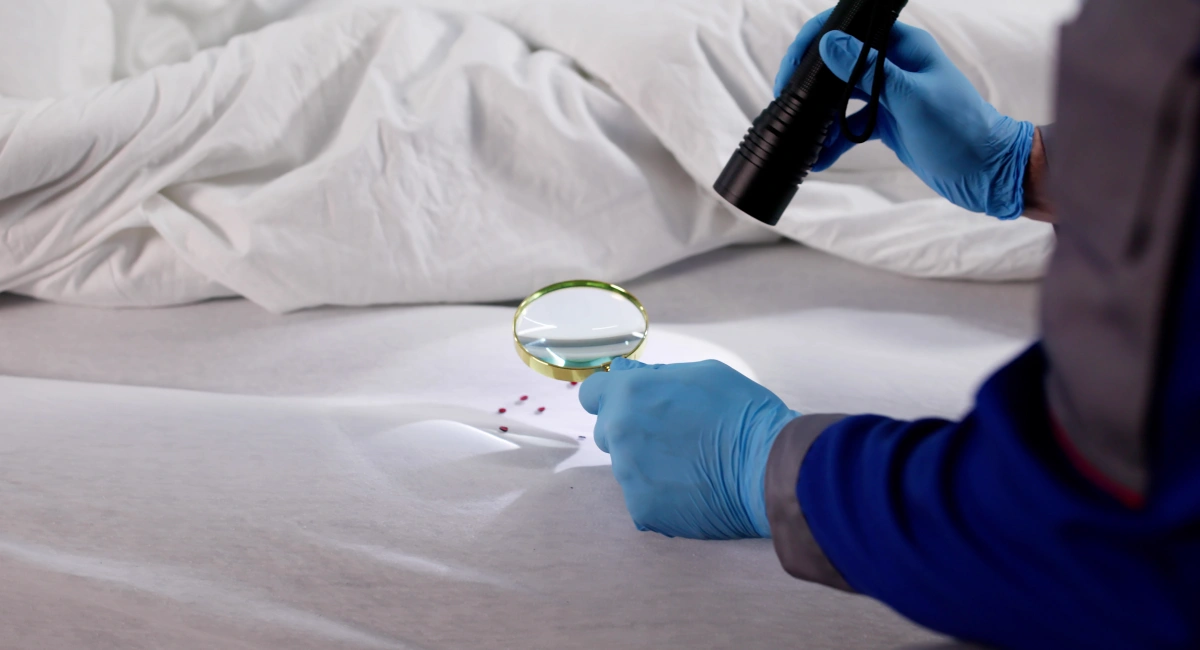
- Day 2 (Inspection): Conduct a professional diagnostic inspection immediately to confirm the presence of bed bugs and identify the extent of the risk.
- Day 3 (Planning): If pests are confirmed, finalize the treatment plan, coordinate resident preparation requirements, and initiate communication.
This process is easier to manage when supported by a structured commercial pest control approach that prioritizes speed, coordination, and reporting.
Looking Beyond Reporting
A common mistake is only treating the unit with confirmed activity. In multifamily buildings, this often leads to repeat incidents.
Bed bugs can move through wall voids, ceilings, and shared utility systems. They may also spread when furniture or belongings are moved between units, or when residents attempt self-treatment that disrupts hiding areas. In a New England apartment block, ignoring adjacent units is effectively handing the pests an invitation to travel throughout your building’s infrastructure.
A more effective approach is to assess surrounding risks simultaneously (e.g., in adjacent units) to improve early detection and reduce the likelihood of reinfestation after treatment.

Documentation Protects Your Team
In bed bug cases, clear records are mandatory for compliance and liability across your portfolio. Without documentation, it becomes difficult to confirm what actions were taken, when they occurred, and whether the response met expected standards.
Your documentation should include:
- A timeline of events (report, inspection, treatment, follow-up)
- Records of communication with residents
- Service reports from the pest control provider
- Notes on access and preparation
This information supports compliance, helps resolve disputes, and keeps teams aligned across multiple properties.
Clear Communication Reduces Disruption
Inconsistent messaging often leads to resident anxiety and can result in unnecessary, high-volume service requests. There are two simple principles that can help:
- Verification: Never confirm an infestation to residents until a professional inspector has verified the presence of bed bugs.
- Consistency: Provide all staff and residents with the same, uniform instructions.
Furthermore, define clear escalation triggers. Do not treat every single report with the same level of urgency. Set clear, documented policies for when an incident requires advanced monitoring or wider-scale inspections, such as repeat activity in a single unit or verified reports in multiple adjacent units.
Learn From Each Incident
After an incident is closed, review the response to refine your processes. Identify the source of the introduction, note any delays that occurred, and evaluate the effectiveness of the communication. This data helps you optimize your pest control strategy across your entire property portfolio, strengthening your operational consistency from the coast of Maine to the hills of Vermont.
Preparing for the Months Ahead
As summer activity increases across New England, now is the time to review how your teams respond to bed bug reports. A clear, logical process reduces risk, limits disruption, and supports better outcomes for both residents and staff.
If your current approach varies across properties, or if response times and documentation are inconsistent, it may be worth reviewing your process with a commercial pest partner. A structured, defensible response ensures that incidents are managed quickly, clearly, and with minimal operational impact.
Don't let a single report escalate into a building-wide liability. Contact JP Pest Services today to audit your current protocol and ensure your property is prepared with a fully defensible bed bug response plan.
Book Your Free Pest Inspection Today
Our local technicians will assess your property and recommend tailored solutions. Fast, friendly, and completely obligation-free.
- Safe, targeted treatments
- Local experts, fast response
- Trusted, trained technicians