© 2026 Rentokil Initial plc © JP Pest Services. All Rights Reserved.
In New England, February is rarely a clean transition from winter to spring. Instead, facilities experience repeated freeze–thaw cycles as temperatures fluctuate, snow melts, refreezes, and ground conditions shift. From an operational perspective, this period often feels stable. Production continues, sanitation routines remain consistent, and exterior conditions appear unchanged.
Rodent activity tells a different story.
Across New England food processing facilities, late winter is a common point for sudden increases in rodent sightings, damage, and interior activity. These spikes often feel unexpected, particularly when no obvious entry points are visible and previous inspections showed no concerns. In reality, freeze–thaw cycles compromise building exteriors, creating hidden vulnerabilities that rodents exploit long before activity becomes visible inside production areas.
Understanding how these seasonal conditions drive rodent pressure is critical for preventing infestations before they impact food safety, compliance, and operations.
How Freeze–Thaw Cycles Create Hidden Rodent Entry Points
Repeated freezing and thawing places constant stress on building materials. In our region, "frost heave" doesn't just affect the roads; it puts immense pressure on facility foundations and loading docks. Concrete expands and contracts. Sealants dry out and crack. Door thresholds shift slightly as the ground conditions change. Over time, small openings widen just enough to allow rodent entry.
These changes are rarely dramatic. They do not present as broken walls or obvious holes. Instead, they appear as:
- Hairline cracks in masonry near loading docks and dock levelers.
- Separated expansion joints along exterior walls and foundations.
- Gaps around utility penetrations where conduit lines enter the building.
- Deteriorated door sweeps and dock seals that have been compromised by ice buildup.
For rodents, these openings are more than sufficient. A house mouse can enter through a gap the size of a pencil (1/4 inch), while a rat needs only half an inch. Once established, these access points often remain active well into spring unless they are deliberately identified and addressed.
Why Rodent Infestations Appear “Suddenly” In Late Winter
One of the most common questions food processing teams ask is why rodent activity seems to appear overnight. Facilities may go weeks without sightings, then suddenly find droppings, gnaw marks, or live activity near production or storage areas.
This is rarely a sudden event.
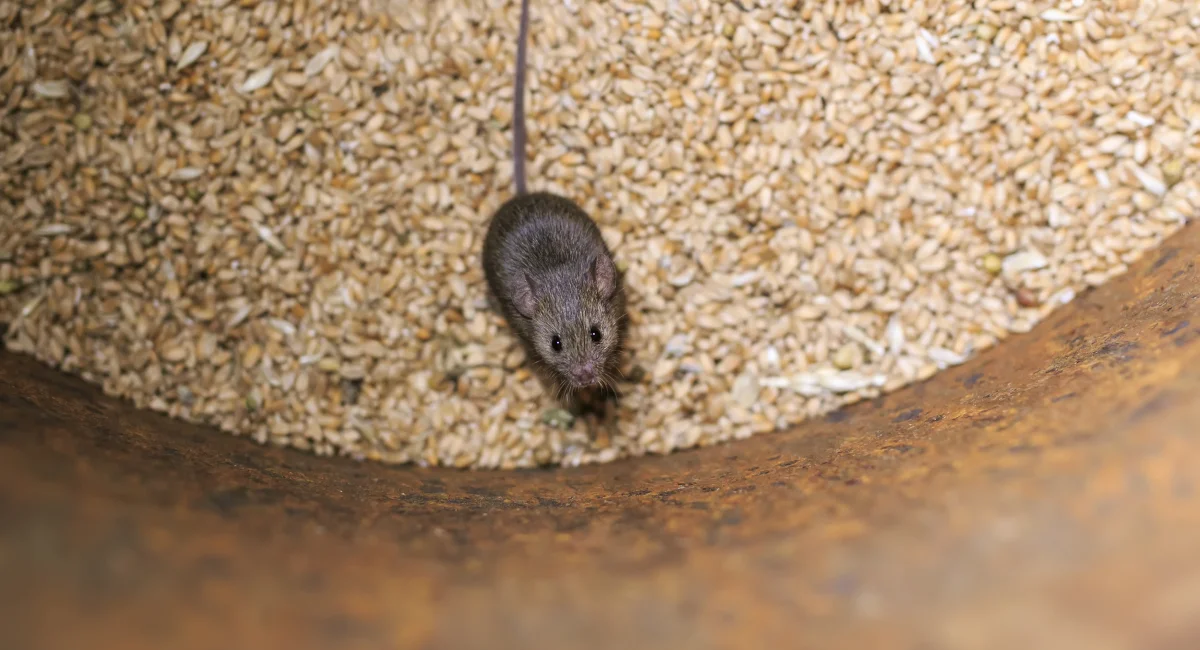
During sustained cold in New England, rodent movement is limited. Activity remains close to nesting areas, often in the "dead space" of wall voids or under equipment. As temperatures fluctuate in late winter, rodents become more mobile. Interior environments offer stable warmth, protection, and food access, making them increasingly attractive as outdoor resources remain frozen.
By the time signs become visible, rodents may have been present for weeks. The infestation feels new, but the conditions supporting it were created earlier during the first freeze–thaw periods when exterior vulnerabilities first formed.
Entry Points Alone Do Not Explain Rodent Pressure
While structural access allows rodents inside, interior conditions determine whether they remain and multiply. In February, the heat from a conveyor motor or a compressor isn't just a byproduct of production; it’s a survival beacon for a displaced rodent.
Factors that unintentionally support late-winter activity include:
- Dry ingredient storage located along exterior walls (providing immediate food near entry points).
- Pallet stacks or racking systems that create sheltered, undisturbed voids.
- Floor-wall junctions that provide protected “highways” for travel.
- Heat sources from equipment that remain active 24/7.
When these conditions align with newly formed entry points, rodent pressure increases rapidly. This explains why two facilities in the same region, experiencing the same weather, can see very different outcomes.
Why New England Food Processing Facilities Face Elevated Seasonal Risk
New England’s climate and infrastructure amplify the impact of freeze–thaw cycles. Frequent temperature swings, heavy precipitation, and older facilities all contribute to structural fatigue over time. Many food processing plants operate in buildings that were not originally designed for modern production demands, increasing their vulnerability during seasonal shifts.
Additional regional factors include:
- Proximity to wooded areas or rail corridors that support rodent populations
- Snow accumulation that physically obscures exterior bait stations and entry points
- Limited daylight hours that reduce visibility during routine checks
- Deferred maintenance, where exterior repairs are paused during winter months
By late winter, these factors converge. Rodents displaced from exterior environments seek stable shelter indoors, exploiting the very weaknesses created by the February thaw.
Where Rodent Activity Is Most Likely To Surface First
Late winter rodent activity rarely appears randomly across a facility. It typically concentrated in predictable zones based on access and interior conditions.
High-risk areas often include:
- Loading docks and receiving bays: Where door seals degrade, and heavy traffic creates structural shifts.
- Dry storage rooms: Especially those located near the building exterior.
- Mechanical rooms: Where there is consistent heat output.
- Waste handling areas: When these are adjacent to the building perimeter.
- Utility chases: Providing protected vertical and horizontal movement throughout the plant.
Identifying the particular rodent and these zones early allows facilities to focus monitoring and inspection where it matters most, rather than spreading resources evenly across low-risk areas.

Identifying Freeze–Thaw Related Rodent Risk Before Activity Escalates
Proactive rodent management in late winter focuses on anticipation rather than reaction. Facilities that wait for visible signs often find that activity has already spread beyond initial entry points.
Effective late-winter prevention includes:
- Targeted exterior inspections immediately following temperature fluctuations
- Focused review of expansion joints, utility penetrations, and dock interfaces
- Increased interior monitoring near perimeter walls and storage zones
- Evaluating interior layouts to eliminate nesting opportunities
Mitigating seasonal risks before spring population pressure increases reduces the likelihood of escalation and limits the need for disruptive corrective action later.
Partnering With JP Pest Services In New England
Rodent spikes following freeze–thaw cycles are a predictable seasonal challenge in New England food processing facilities. Managing this risk effectively requires professional commercial rodent control with local experience, seasonal awareness, and an understanding of how weather impacts building integrity.
JP Pest Services partners with food processors across New England to identify vulnerabilities created by winter conditions and address rodent pressure before it reaches critical areas. By combining structural insight, targeted monitoring, and regional expertise, we help facilities maintain and audit readiness control as conditions begin to shift toward spring.
Contact JP Pest Services to schedule a commercial evaluation and reinforce your late-winter pest management plan.
Book Your Free Pest Inspection Today
Our local technicians will assess your property and recommend tailored solutions. Fast, friendly, and completely obligation-free.
- Safe, targeted treatments
- Local experts, fast response
- Trusted, trained technicians