© 2026 Rentokil Initial plc © JP Pest Services. All Rights Reserved.
Mice in kitchens pose severe operational risks that can jeopardize a business’s future. Unchecked infestations lead to costly sanitation failures, potential health code violations, and even forced closures. Not to mention the significant financial losses from contaminated stock and the psychological toll on staff.
Even whispers of a rodent sighting in a commercial kitchen or food service establishment can be damaging. Service-level disruptions and reputational damage have knock-on effects on footfall, repeat custom, and, eventually, your bottom line.
This is why reactive measures are never enough, making a proactive, strategic approach to pest management in hospitality an absolute necessity for long-term success.
Why a Mouse in a Restaurant Kitchen is a Business Killer
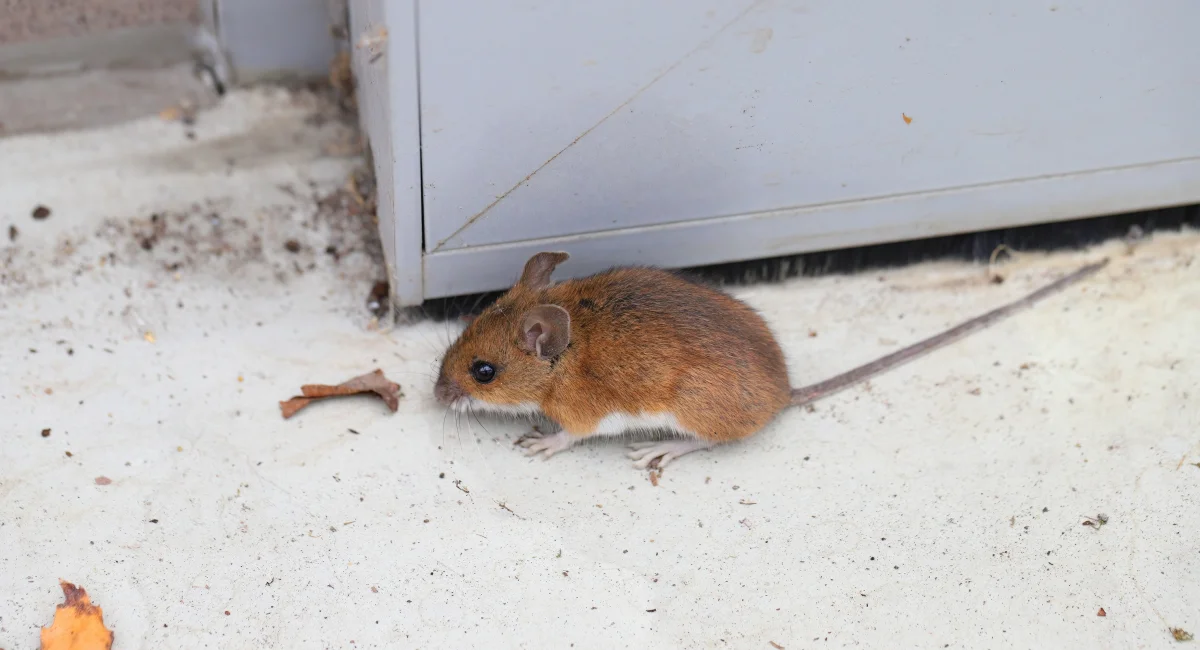
Not surprisingly, mice like kitchens for their shelter and abundance of food. They like to nest close to food sources and are sometimes drawn to warm, hidden cavities of commercial ovens.
While a single mouse sighting in a kitchen might seem like a small event, the underlying risks to a food service operation are often catastrophic and multifaceted.
Contamination and Spread of Viruses
Mice are prolific spreaders of bacteria, viruses, and parasites, and can transmit diseases such as hantavirus, Listeria, E. coli, and Salmonella. As they forage, they continuously shed droppings, urine, and hair, all of which can carry dangerous pathogens.
Because mice have poor eyesight, they navigate by brushing against walls and surfaces, leaving behind a trail of urine and grease marks that can contaminate everything from kitchen surfaces and cooking utensils to food storage areas.
Health Code Violations and Legal Risks
Health inspectors have a zero-tolerance policy for evidence of rodent activity, such as droppings, gnaw marks, or nesting materials. A failed health inspection can lead to hefty fines, mandatory closure orders, and a permanent public record of the violation. A business could even face lawsuits from customers who fall ill from Salmonella, leptospirosis, or other pathogens carried by mice and spread through contact with surfaces and equipment.
Irreparable Reputational Damage
In the age of social media and online reviews, news of a pest problem travels faster than the rodents themselves. A single customer photo of a mouse or a report of an infestation can go viral, instantly destroying years of brand-building and trust. Once a restaurant is labeled "unclean" in the public consciousness, recovering that reputation is a battle that many establishments cannot survive.
Operational and Structural Costs
Many underestimate the physical damage that mice can cause, which impacts the bottom line. Their constant need to gnaw can damage electrical wiring, leading to equipment failure or even fire hazards.
The cost of discarded inventory is also high. Once a mouse enters food packaging, the entire batch must be discarded to prevent contamination. When you factor in the emergency costs of deep cleaning, professional pest eradication, and structural repairs to seal entry points, versus ongoing preventive measures, a minor mouse problem quickly becomes a massive financial drain.
Professional Strategies for Commercial Kitchen Mice
The Trouble With Restaurant Mouse Traps
While they aren’t strictly prohibited in commercial kitchens, both snap traps and rodenticides are rarely an appropriate method for getting rid of mice. Further, their use is heavily regulated by food safety requirements, pesticide labels, and integrated pest management (IPM) practices.
The reasons they are often avoided or restricted inside food preparation areas include:
- Food contamination risk: Snap traps can expose rodent blood, urine, feces, or body parts if triggered near food, equipment, or food-contact surfaces.
- Chemical safety: Rodenticide baits cannot be placed where they could contaminate food, ingredients, packaging, utensils, or food-contact surfaces. Labels typically prohibit these uses.
- Regulatory compliance: Food safety inspections conducted under the FDA Food Code (adopted with state-specific modifications) require facilities to prevent contamination and to use pest control methods that do not pose a food safety hazard.
- Hidden carcasses: Poisoned rodents may die inside walls or ceilings, leading to odors, insects, and sanitation issues.
- IPM best practices: Commercial kitchens are generally expected to prioritize exclusion, sanitation, monitoring, and mechanical trapping before relying on rodenticides.
When placed strategically and checked frequently, snap traps can sometimes be used in back-of-house areas, utility rooms, and other non-food-contact locations.
Rodenticide baits are typically best used outside buildings or in non-food areas inside tamper-resistant bait stations, in accordance with the product label and applicable regulations.
The Process: Inspection, Treatment, Documentation, and Prevention
Rather than focusing on short-term solutions, professional strategies for pest control in commercial kitchens and food service establishments center on prevention, swift response, staff education, and clear documentation.
- Site inspection to identify active infestations, moisture leaks, and potential pest entry points
- Targeted treatment in areas needed
- Tailored pest control plans for effective ongoing prevention
- Thorough documentation and log books for health department audits and regulatory compliance
By leveraging integrated pest management (IPM) practices, our team of specially trained technicians can prevent mice from entering your commercial kitchen while also treating the property for any uninvited guests that have already made an appearance.
Part of our efforts includes isolating any access points the mice may be using to enter the kitchen and ensuring they are sealed up properly, keeping the mice out once and for all. In addition, we take care to train your staff in best practices for rodent control, including identifying problems and responding appropriately.
What Your Kitchen Staff Needs to Do Tonight
While professional commercial pest control services are recommended for long-term protection, there are steps you can take right away. Educating your teams and maintaining routine cleaning schedules are essential in the ongoing prevention of mice in kitchens.
Stove and Grill Cleaning
Mice are highly attracted to the strong, calorie-dense scents of cooking oils, bacon grease, and butter. Without strict, regular cleaning protocols, lingering grease buildup on commercial kitchen stovetops and range hoods becomes a major magnet for these rodents.
As a starting point, ensure the frequent wipe-down and cleaning of cooled oven and grill surfaces and doors is part of a daily routine. Clean up spills immediately, so there are no lingering stains, grease, or odors. Review your deep-clean schedule and determine whether oven interior cleans and cleaning behind units should be conducted more frequently.
Commercial Food Storage Practices
- Store all food in sealed, pest-proof containers
- Keep stored food off the floor and away from walls
- Transfer any dry goods from damaged packaging and dispose of any goods where damage looks to have been caused by pest activity
- Inspect storage areas regularly for signs of pest activity, damaged packaging, or expired stock
- Maintain good stock rotation using a first-in, first-out (FIFO) system
- Control humidity where appropriate
- Keep all storage areas clean, uncluttered, and free of spills
Improving your cleaning and storage practices, while keeping thorough documentation of daily routines, helps keep your facility inspection-ready and your brand protected.
Frequently Asked Questions
Not necessarily. A single rodent sighting does not automatically result in a restaurant closure, but it is a serious warning sign that requires immediate investigation. Health inspectors consider factors such as evidence of an active infestation, food contamination, sanitation standards, and the effectiveness of your pest management program when determining whether enforcement action is necessary.
There is little evidence that ultrasonic pest repellents provide reliable, long-term control in commercial kitchens. While they may temporarily affect rodent or insect behavior, they do not eliminate infestations or address the underlying causes of pest activity.
The timeline for re-opening depends on the severity of the infestation and the requirements of your local health authority. In most cases, a kitchen can reopen once the infestation has been addressed, contaminated areas have been thoroughly cleaned and sanitized, structural issues have been corrected, and any required reinspection has been passed.
This is not recommended. Store-bought insecticides in food preparation areas can create food safety risks and may not comply with product label instructions or your local regulations. Commercial kitchens should follow their established pest management procedures and use treatments appropriate for food-handling environments, typically applied by trained personnel or, where required, licensed pest management professionals.
Book Your Free Pest Inspection Today
Our local technicians will assess your property and recommend tailored solutions. Fast, friendly, and completely obligation-free.
- Safe, targeted treatments
- Local experts, fast response
- Trusted, trained technicians