© 2026 Rentokil Initial plc © JP Pest Services. All Rights Reserved.
Few things threaten a restaurant’s reputation faster than signs of pest activity. Between health inspections, customer reviews, and delivery schedules, exclusion is not just about pest control. It is about protecting your brand and your bottom line. Identifying weak spots in kitchen structures is the first step toward long-term prevention.
Rodents, squirrels, and raccoons only need a small gap to get inside, where warmth, moisture, and food residue provide ideal living conditions. Once established, they can contaminate food, chew wiring, and disrupt operations. Understanding how and where these pests enter helps restaurant owners stay ahead of the problem and maintain a clean, compliant kitchen.
Rodent Exclusion in New England Kitchens
Mice and rats are persistent and resourceful, especially in older restaurant buildings. Even a dime-sized opening around utility lines or door frames can become a convenient entry point. Knowing where to look for weak spots is the foundation of an effective exclusion plan.
Effective Rodent Exclusion Techniques and Best Practices
Inspect areas where utilities enter the building, such as around gas lines, plumbing, and electrical conduits. Seal small gaps with silicone or caulk, and use metal flashing or concrete for larger openings.
- Utility penetrations: Plug gaps around pipes and conduits to block rodent highways
- Door thresholds: Replace worn sweeps and weather stripping to eliminate gaps under doors
- Ventilation openings: Install metal mesh over exhaust vents and maintain backdraft dampers
- Floor drains: Fit tight grates and maintain water traps to stop rodents and insects from traveling through sewer pipes
- Foundation cracks: Repair with mortar or epoxy to prevent basement infiltration
Preventive Measures and Entry Point Sealing
Regular maintenance prevents small issues from turning into full infestations. Include exclusion checks in your cleaning schedule and train staff to report damage. These small steps make a big difference and help your business stay protected year-round.
Winter Pest Prevention for Food Facilities
Rodents are not the only invaders that find their way into restaurants. Wildlife such as squirrels, raccoons, and bats may exploit soffits, vents, or chimney gaps to reach attic or ceiling spaces. Cockroaches and flies also thrive in warm, damp areas like floor drains and grease traps.
When left unchecked, these pests bring serious health and structural risks. Rodents can transmit Salmonella and Hantavirus, and their gnawing can cause electrical fires. Cockroaches and drain flies spread bacteria, while moisture-loving pests like silverfish and mold mites multiply in humid kitchens.
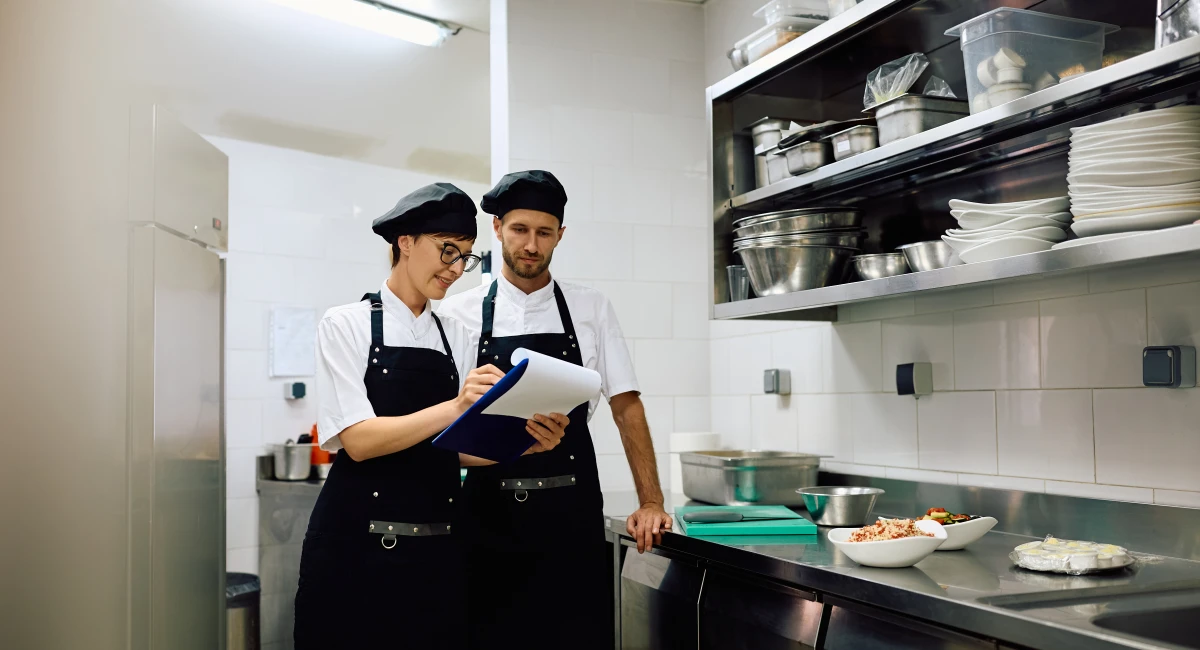
Integrated Pest Management Strategies for Restaurants
Prevention starts with a clean, dry environment. Implement integrated pest management (IPM) practices that focus on sanitation, exclusion, and monitoring:
- Sweep and mop under counters and behind appliances daily
- Store ingredients in sealed containers and off the floor
- Empty trash bins frequently and keep dumpster lids closed
- Maintain at least six inches of clearance under shelving for easy inspection
By reducing food and water sources, restaurants can lower pest pressure and maintain hygiene standards across the facility.
Winter Pest Control Considerations for Food Facilities
Condensation and leaks often appear when indoor and outdoor temperatures fluctuate. Include moisture checks in your closing routine to identify dripping pipes or damp flooring. Dehumidifiers and proper ventilation help control humidity and protect both food and equipment from damage. These actions also help prevent moisture-related pest problems.
Wildlife Proofing Solutions for Restaurants
Larger wildlife such as raccoons, squirrels, and opossums can cause significant damage to commercial properties. They can chew through wood, pry open vents, and tear insulation while searching for warmth and food.
Wildlife Exclusion Methods and Maintenance Tips
Inspect attic vents, soffits, and rooftop openings regularly. Replace broken louvers and use heavy-gauge metal mesh to block entry. Keep exterior dumpsters sealed and avoid storing food waste near walls or fences where wildlife can climb or burrow. Maintaining these barriers deters intruders and reinforces your commitment to cleanliness and compliance.
Role of Professional Services in Wildlife and Pest Management
While in-house maintenance is essential, professional pest control services provide stronger protection. JP Pest Services offers detailed winter exclusion assessments tailored for New England’s older restaurant buildings. Our technicians identify vulnerable areas, recommend sealing and sanitation improvements, and deliver long-term solutions customized to your property.
Schedule a Winter Pest Proofing Consultation
A single overlooked gap can invite a major problem. As temperatures drop, take proactive steps to protect your business. JP Pest Services combines decades of local experience with integrated pest management expertise to keep your kitchen secure through every season.
Contact us today to schedule a winter-proofing consultation and learn how our customized pest management plans can help safeguard your restaurant from rodents and wildlife.
Book Your Free Pest Inspection Today
Our local technicians will assess your property and recommend tailored solutions. Fast, friendly, and completely obligation-free.
- Safe, targeted treatments
- Local experts, fast response
- Trusted, trained technicians