© 2026 Rentokil Initial plc © JP Pest Services. All Rights Reserved.
Warehouses and food distribution centers across New England see a predictable spike in bird activity each May, just as delivery schedules intensify and nesting behavior peaks. For facilities in the foodservice industry, the combination of open dock access, waste food availability, and upcoming audit cycles makes it harder to pass audits and keep food safe.
To manage this risk, you need a plan that fits your facility's daily workflow. Across New England, whether around high-density distribution hubs in Massachusetts or multi-site foodservice operations in New Hampshire and Maine, loading docks face common spring problems that are often too complex for generic solutions. May offers a narrow window to get ahead of bird pressure before summer volumes, temperatures, and audit activity intensify. The following steps can help to address access, attractants, and nesting behavior to avoid the disruptive task of managing established populations later.
1. Master Dock Door Discipline During Peak Activity
Loading dock doors left open, even briefly, are the most common way birds get inside. Birds scout open doors quickly and can start nesting within days.
Keeping doors closed when you aren't using them is the best way to block birds. Good door habits—like closing them right after a truck leaves—are your best defense. For busy sites with many deliveries, extra support like air curtains or strip doors can help keep birds out without slowing down your work.
Bird activity at a dock moves fast. Once a pair of birds moves from "scouting" to "nesting" on your ledges, you face a big legal problem. In many cases, once there are eggs in a nest, the law says you cannot move them. This means you could be stuck with a bird problem for 6 to 8 weeks until the chicks are old enough to fly away.
2. Control Attractants in Waste and Pallet Zones
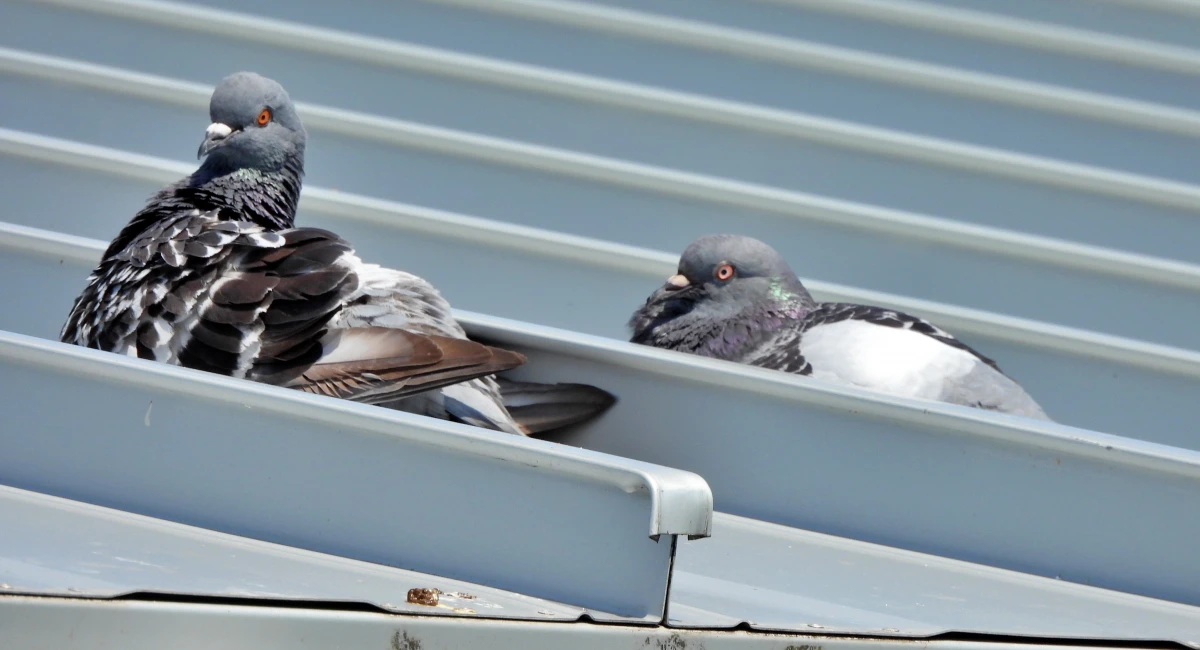
Birds don't arrive at loading docks by chance. Seagulls, pigeons, house sparrows, and European starlings congregate where food waste, residues, and organic debris accumulate, often in pallet returns, compactors, and staging areas adjacent to docks. Ways to discourage activity in these areas include:
- Ensure waste is sealed, contained, and removed on a defined schedule
- Avoid leaving damaged goods or exposed ingredients in dock zones
- Regularly clean beneath pallets, racks, and compactors
Cleaning up these areas does more than just stop birds. It also blocks "secondary pests" like rodents and flies that are drawn to the same messes. These pests are a major threat to food safety and can lead to failed audits. By keeping your dock areas clean, you solve several pest problems at once. You also stop bird mites and beetles from hitching a ride on birds and moving into your food storage zones.
3. Disrupt Early Nesting Behavior Before It Establishes
May is when bird activity shifts from scouting to nesting. Once they build nests in dock canopies, lights, or ledges, removing them becomes much harder and slows down your operations.
Routine checks to prevent nesting should focus on spots such as:
- Overhangs and canopy structures
- Signage and external lighting
- Steel beams and ledges near dock doors
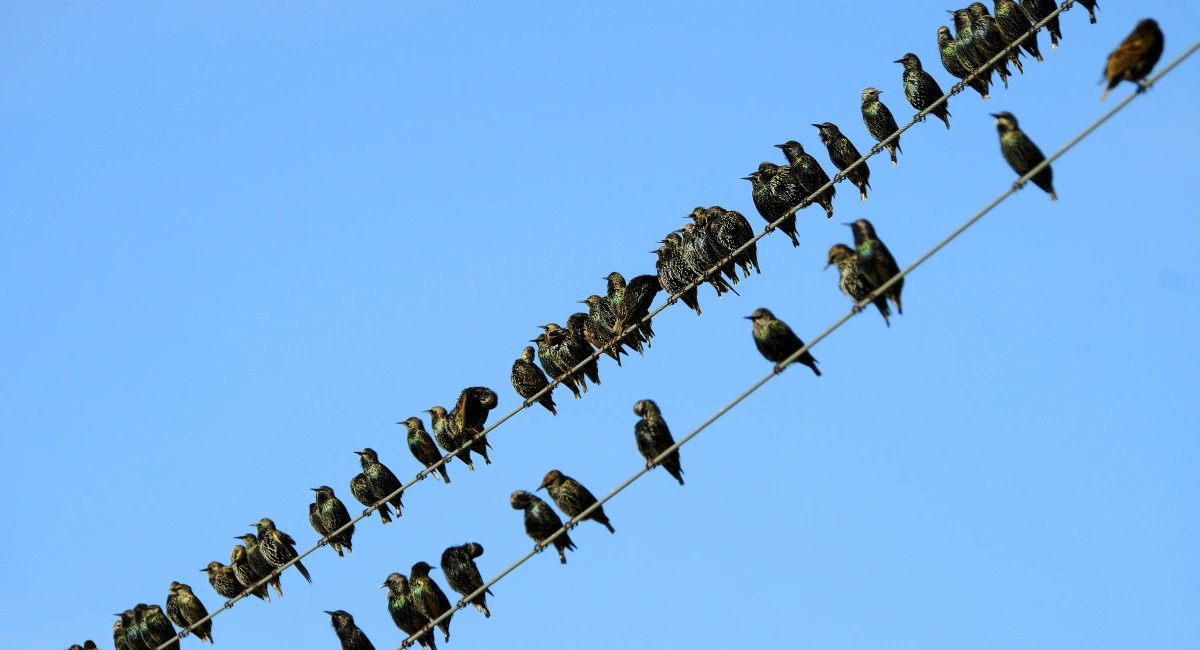
Catching the problem early prevents it from growing and avoids the complications associated with protected nesting periods. In New England, species such as house sparrows, European starlings, and pigeons are the most common culprits at commercial loading docks, each with distinct nesting habits that dictate where inspections should focus.
Bird removal and nest disturbance are regulated at both state and federal levels, with certain species protected under the Migratory Bird Treaty Act. This makes early, proactive intervention critical, and reinforces the value of working with a pest management partner experienced in compliant, humane deterrent methods.
4. Align Exclusion Measures with Facility Design
Every loading dock is different in layout, traffic flow, and structural design. Bird control that fails to consider these differences rarely delivers lasting results.
Targeted exclusion, such as netting, screening, or physical barriers, should be designed to align with dock usage patterns to avoid interfering with loading efficiency or safety. Facilities with busy receiving areas benefit from specialist bird control solutions that are tailored to site-specific pressures rather than applied generically.
For this reason, exclusion strategies need to consider not just where birds are entering, but how the dock operates throughout the day, including shift changes, staging rotations, and seasonal volume fluctuations. All exclusion and deterrent measures must also meet federal and state requirements for humane bird management, making professional guidance essential when selecting and installing solutions.
5. Make Bird Activity Visible and Auditable
Bird presence is not just an operational issue; it’s a compliance one. Auditors increasingly expect documented evidence of monitoring, corrective actions, and preventive measures. A strong documentation framework typically includes:
- Log sightings and activity trends at loading docks
- Document cleaning, maintenance, and exclusion efforts
- Include bird control within broader pest management reporting
Having this documentation in place before an auditor arrives is significantly more credible than compiling it reactively. Over time, consistent reporting also reveals patterns that allow facilities teams to get ahead of seasonal pressure rather than chase it.
6. Integrate Bird Control into Broader Pest Strategy
When birds are active at loading docks, they're usually not the only pest pressure in play. Food debris, structural gaps, and sanitation inconsistencies create shared vulnerabilities that rodents and insects exploit just as easily.
Rather than treating bird control in isolation, integrating it into a broader commercial pest control program ensures all risks are managed through a single, consistent framework. Aligning this with sector-specific pest management expectations reduces gaps between service lines and turns bird control into part of an ongoing improvement cycle rather than a seasonal measure after the event.
Act Now, Control Through Summer
Bird control at loading docks is not a standalone concern; it connects directly to compliance, product flow, and day-to-day operational continuity. A structured, site-specific approach replaces reactive fixes with consistent, auditable management.
JP Pest Services works with foodservice operations across New England to build site-specific bird management strategies that hold up under audit scrutiny. If your loading docks are seeing increased activity this spring, now is the time to put a structured plan in place.
Our commercial pest specialists help foodservice operations across New England protect loading docks, receiving areas, and logistics zones. Reach out to discuss a tailored bird control plan for your site.
Book Your Free Pest Inspection Today
Our local technicians will assess your property and recommend tailored solutions. Fast, friendly, and completely obligation-free.
- Safe, targeted treatments
- Local experts, fast response
- Trusted, trained technicians