© 2026 Rentokil Initial plc © JP Pest Services. All Rights Reserved.
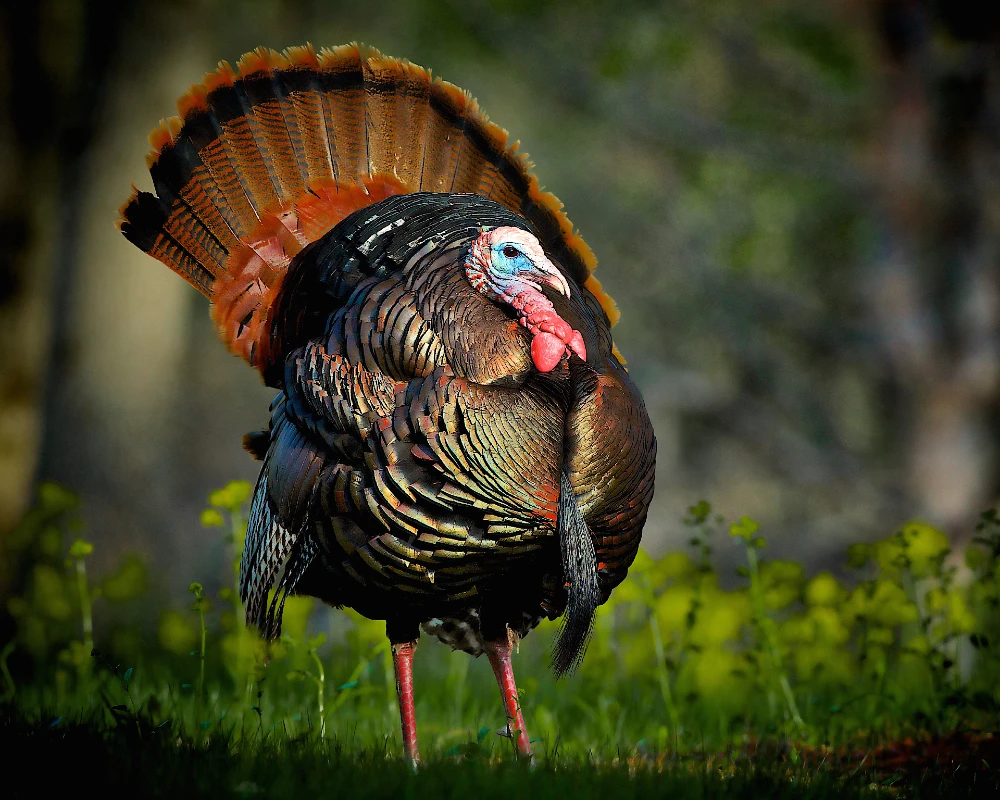
This Thanksgiving, we’d like to add to our gratitude list one of the unsung heroes of pest control – the humble turkey. Wild turkeys are an unexpected key player in local pest control efforts thanks to their diet, nearly a third of which is made up of insects. That includes some of humankind’s biggest nuisances: stink bugs, spiders and ticks. In fact, wild turkeys can eat as many as 200 ticks per day.
The rest of their diet is made up of leaves, grass, fruits, nuts and seeds -- acorns are a particular favorite. That means wild turkeys compete with mice, squirrels and chipmunks for similar food sources, often beating rodents to the punch, which helps bring down those pest populations as well.
One of the Founding Fathers most grateful to the fowl was Benjamin Franklin, who went so far as to nominate the wild turkey for our national bird in 1782 (imagine what the US presidential seal would look like with a turkey instead of a bald eagle).
Another fun fact: Turkeys often sleep up in the trees at night to protect themselves from predators.
To salute this honorary pest control pro, here are 16 more weird and wonderful facts about turkeys you probably didn’t know:
- How do turkeys get up into the trees to sleep? Strangely, many people also don’t know that turkeys actually can fly.
- Not only can they fly, but turkeys can swim, too.
- Wild turkeys were nearly wiped out in the early 20th century, with numbers dwindling down to a mere 30,000. Today there are over 7 million in North America.
- That’s 7 million wild turkeys. If you’re counting farm-raised turkeys grown for their meat, the number is closer to 242 million.
- The fleshy parts of a turkey’s face – the snood and the wattle, if you want to get technical about it – can actually change colors depending on the turkey’s mood.
- The first Thanksgiving probably didn’t include turkey (although there’s a good chance that venison, aka deer, was on the menu).
- While the fowl runs wild in no other continent but ours, it is actually named after the European country of Turkey after being imported in from the US in the 1500s, then wholesaled out from there to its surrounding countries.
- Turkeys have better eyesight than humans, and can see a wider field of view (270°).
- The first TV dinners, packaged and sold by Swanson in 1953, included turkey.
- National Turkey Lovers Month isn’t November, nor, for that matter, December. It’s in June.
- Have you ever heard that the reason eating turkey makes you feel tired is because it contains a chemical sleep aid called tryptophan? Pure baloney. The reason you feel tired after Thanksgiving dinner is not because of what was on your plate, but rather just how much of it.
- Turkeys evolved from dinosaurs. – specifically, the T. Rex.
- Turkeys have around 5,000 to 6,000 feathers.
- Turkeys typically live around 3 to 5 years.
- Adult males are called toms, adult females are hens. Babies are poults and adolescents are jakes.
- A typical American eats an average of almost 17 lbs of turkey per year.
Now that we’ve shared with you more facts about turkeys than you probably ever cared to know, you can, at the very least, introduce some turkey tidbits to any guests who gather around this year’s Thanksgiving table. Don’t forget -- while they might not be the brightest birds, they should certainly be prized for their pest control prowess.
Prefer to enjoy Thanksgiving dinner and leave the pest management to the pros? Check out how we can protect your home inside and out from dozens of common household pests.
Book Your Free Pest Inspection Today
Our local technicians will assess your property and recommend tailored solutions. Fast, friendly, and completely obligation-free.
- Safe, targeted treatments
- Local experts, fast response
- Trusted, trained technicians