© 2026 Rentokil Initial plc © JP Pest Services. All Rights Reserved.
Have you ever found yourself standing in your kitchen at 2 am, flashlight in hand, staring at a floorboard because you thought you saw a shadow move? If you have, you’re not alone. In New England, where our historic homes and changing seasons make pest encounters almost inevitable, "pest anxiety" is a very real phenomenon. It’s that prickle on the back of your neck when you hear a scuttle in the attic or the skin-crawling sensation after spotting a single ant on the counter.
While mice and rats typically enter homes in late fall, June is when New England's pest season truly hits its stride. Carpenter ants and termite swarms that began in late spring are now fully active, and warmer, sunny days bring wasps, ticks, and mosquitoes into the picture. Each season introduces a new source of unease, and for homeowners already on edge, the cycle can feel relentless.
JP Pest experts provide insight into the triggers, how to alleviate pest anxiety, and what we can do to help.
When Pest Stress Becomes a Pattern
The stress from a pest sighting can trigger a state of hyper-vigilance, sleep disruption, and compulsive late-night Googling—a pattern psychologists recognize as cyberchondria, where searching for answers only amplifies the anxiety. You start with a simple search—"are carpenter ants dangerous?" or "wasp nest under porch"—and end up three hours later convinced your home's structural integrity is failing or that a hidden infestation is lurking behind every wall.
What separates a passing moment of discomfort from genuine pest anxiety is repetition. One sighting might unsettle you for an evening. But when every creak in the floorboards puts you on alert, when you find yourself checking the same baseboard every night before bed, or when the arrival of a new season fills you with dread rather than anticipation, it becomes a worrying pattern. This is a natural response to a violation of your safe space, but you can minimize it by actively taking control.
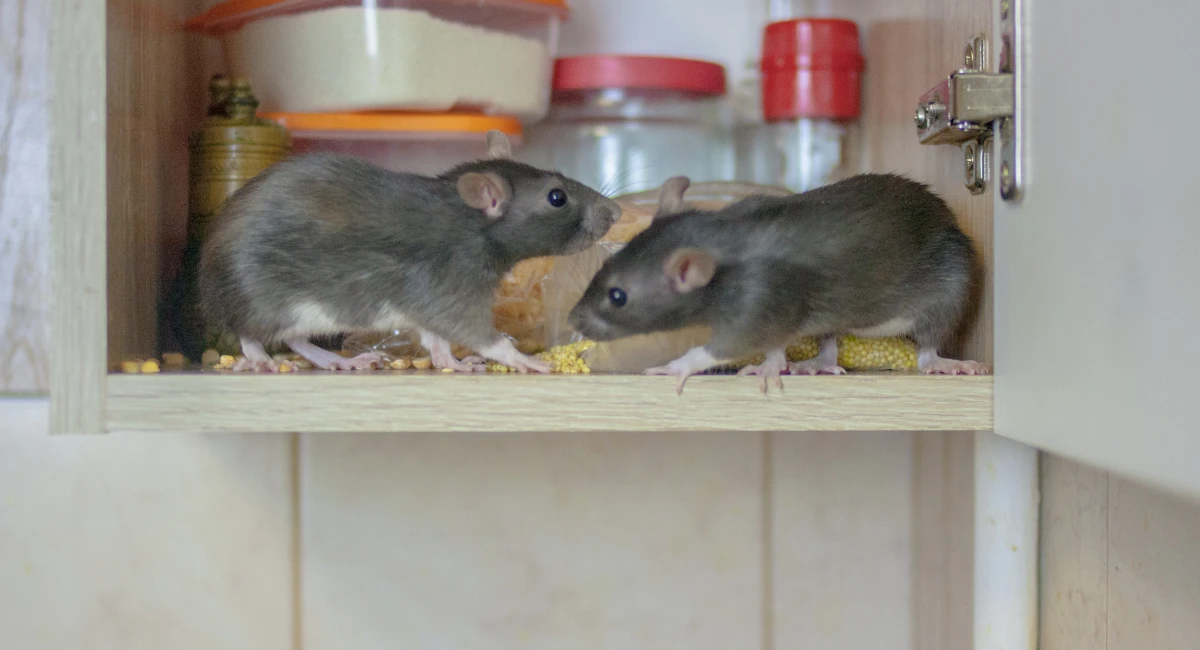
Validating the Experience: You’re Not Overreacting
The first step in dealing with pest anxiety is acknowledging that it isn’t "just a bug." For many, the fear is rooted in entomophobia (a clinical fear of insects), but for others, it stems from concerns about hygiene, property value, or the safety of family members. When you live in an area like Massachusetts or New Hampshire, you are often dealing with older construction where small gaps are common. This can lead to a feeling of being invaded.
It is important to recognize that your home is your primary investment and your place of rest. When that is compromised, your endocrine system reacts as if there were a significant threat, releasing cortisol and adrenaline. This is why you feel jumpy and hyper-alert. By validating these feelings rather than dismissing them as irrational, you can begin to shift from a state of panic to one of proactive management.
What makes this particularly challenging is that pest anxiety can impact your daily activities. For instance, you start avoiding certain rooms or hesitate before opening a closet. For homeowners who work remotely, the effect can be even more pronounced because there is no separation between the source of the stress and your workstation.
Breaking the Worry Cycle
To move past the anxiety, you need to replace the unknown with the known. The "worry cycle" thrives on a lack of information, and in June, when multiple pest species are active at once, the questions start to pile up: Is that lone wasp a scout or the start of a nest? Are those carpenter ants or termites? Without sufficient clarity, each unanswered question feeds the next.
To break the pattern, you need to:
- Audit Your Environment: Instead of looking for pests in a panic, conduct a structured walk-through of your home during daylight. Check common entry points, such as bulkheads, door sweeps, and window screens.
- Limit the Research: While identified pests are helpful, avoid the "doom-scroll." Most online forums focus on extreme cases that may not apply to your specific situation in New England.
- Shift the Responsibility: The biggest driver of anxiety is the feeling that you have to solve the problem yourself. Carrying the burden of guarding your home 24/7 is exhausting.
The goal here is not to ignore the problem but to contain it. Anxiety expands when it has no boundaries. Giving yourself a defined time and method for assessing the situation rather than reacting in the moment helps restore a sense of proportion. It is the difference between responding and spiraling.
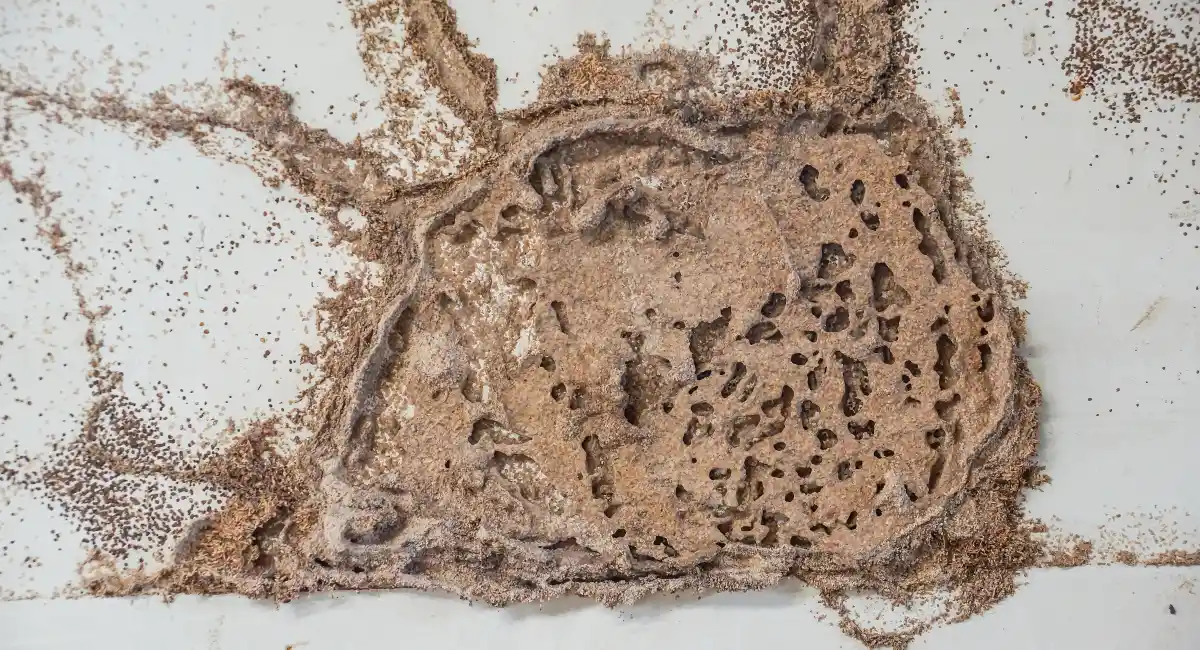
The Professional Pivot: From Fear to Control
The turning point for most homeowners is when a professional enters the picture. This isn't just about applying a treatment; it is about the transition from second-guessing the situation (the "what is happening") to receiving a verified diagnosis ("this is exactly what is happening”).
In many cases, the anxiety stems from the fear of the unseen. A professional inspection defines the scope of the issue, identifies the species, and sets a timeline for resolution. Knowing that an expert has surveyed the crawl spaces, the attic, and the perimeter is reassuring and allows you to stop being the "sentry" of your home.
Modern residential programs prioritize proactive exclusion—physically sealing entry points to prevent pests from getting in. This approach offers a level of security that no amount of cleaning can match. It is especially critical during summer, when open windows, deck gaps, and foundation cracks become active highways for ants, wasps, and ticks.
The benefits also build over time. Once a professional has assessed your home and put a plan in place, each new season feels less daunting. The spring thaw or the first cold snap no longer carries the same weight of dread, because you already know what to expect and what is being done about it.
From Vigilance to Partnership
Managing pest anxiety is ultimately about restoring a sense of control; it requires a change of perspective from seeing your home as vulnerable to knowing it is protected. For residents in Maine or Vermont, where the wilderness is often right in your backyard, this balance is essential.
If your home has started to feel more like a source of stress than a place to relax, it may be time to stop Googling and start a conversation. With ongoing residential protection you can break the cycle of worry and replace uncertainty with clarity.
You don't need to have a confirmed infestation to reach out. A conversation with JP Pest can help you replace uncertainty with a clear plan and lasting peace of mind.
Book Your Free Pest Inspection Today
Our local technicians will assess your property and recommend tailored solutions. Fast, friendly, and completely obligation-free.
- Safe, targeted treatments
- Local experts, fast response
- Trusted, trained technicians