© 2026 Rentokil Initial plc © JP Pest Services. All Rights Reserved.
As temperatures drop across New England, homeowners often find that bats, squirrels, or birds have moved indoors seeking warmth. While the instinct may be to handle it quickly, it’s important to understand the laws and the principles behind humane wildlife control. This guide explains regional regulations, common wildlife concerns, and practical prevention steps to keep properties protected and wildlife unharmed and why you may need a professional to help with residential pest control.
Understanding New England's Wildlife Control Regulations
Wildlife laws across New England are designed to protect both people and animals. Handling or relocating wildlife without a permit can lead to fines or legal issues, especially when protected species are involved. Regulations focus on humane treatment, prevention, and habitat preservation rather than removal alone.
For property owners, this means acting responsibly when wildlife enters buildings or storage areas. Trapping or relocation without authorization is often restricted because it can spread disease and disrupt local populations. When in doubt, consult a licensed wildlife control professional to confirm what’s allowed in your state.
If you’re unsure what rules apply where you live, contact JP Pest Services for professional guidance before taking action.
State-by-State Guide
- Massachusetts: Removal methods must prioritize animal welfare. You’ll need a permit to capture or relocate most wildlife, especially bats that remain active year-round.
- New Hampshire: Humane practices are required by law. Trapping or moving wildlife without authorization can bring penalties.
- Vermont: Protected species, such as bats and migratory birds, are governed by strict rules. Professional guidance helps you stay compliant.
- Rhode Island: Wildlife removal requires state licensing and adherence to humane handling regulations.
- Connecticut and Maine: Both require permits for nuisance wildlife work and emphasize compassionate, non-lethal approaches.
Why Professional Guidance Matters
Once wildlife enters an attic, crawl space, or storage area, removing it incorrectly can create safety and legal problems. Certified wildlife professionals understand the timing, methods, and state-specific requirements for humane removal. For homeowners, this expertise helps prevent damage, health risks, and unexpected costs.
Wildlife problems often start small. Imagine hearing light scratching in your attic on a cold New England night. You set a few traps, assuming it’s a mouse, but the noise continues. Soon, you discover squirrels nesting near electrical wiring, turning a minor nuisance into a fire risk and costly repair.
A quick visit from a licensed wildlife control professional could have identified the species, applied humane removal methods, and sealed entry points before the damage began. For most New England homeowners, an early wildlife inspection is the simplest way to protect both the home and the animals that share the landscape.
Professionals focus on long-term prevention, not just removal, helping homes stay secure and wildlife stay safe year-round.
Common Wildlife Challenges in New England
- Bats: Bats are protected in New England and help control insects. They can only be removed at certain times of year to avoid disturbing maternity colonies. Professionals use exclusion methods that let bats exit safely without harming them.
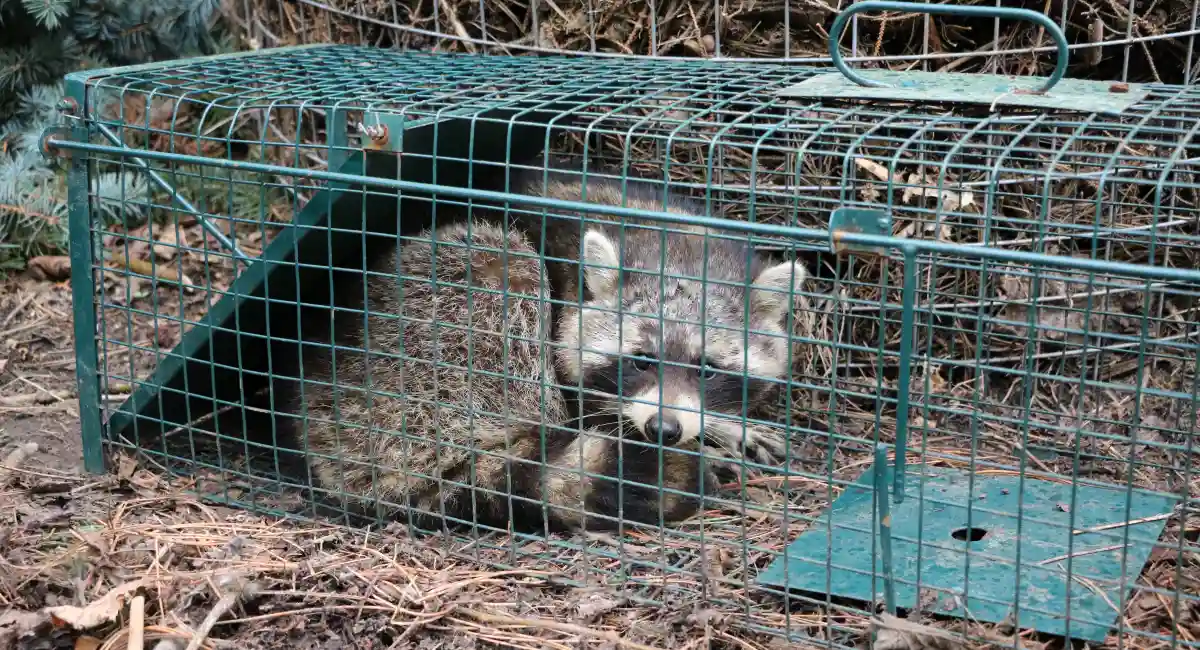
- Squirrels and Raccoons: These animals often find their way into attics or crawl spaces. Wildlife experts use one-way doors and seal openings to guide them out and stop them from returning.
- Birds: Many bird species are protected under the Migratory Bird Treaty Act, which makes disturbing nests or eggs illegal. Licensed wildlife teams handle removals carefully and ensure compliance with federal and state laws.
Humane and Ethical Wildlife Control Methods
The Exclusion Method
Exclusion is the main way to manage wildlife safely. It means closing up gaps and weak spots so animals can leave on their own but cannot get back in. This gentle, long-term approach protects both your home and the animals.
Relocation and Rehabilitation
Sometimes animals must be moved. Licensed wildlife experts take them to approved areas or to care centers if they are hurt. This keeps the animals calm and helps protect local wildlife populations.
Prevention and Long-Term Solutions
The best way to deal with wildlife problems is to stop them before they begin.
- Repair Openings: Close holes, vents, and torn screens.
- Keep Areas Clean: Remove food, trash, or standing water that may attract animals.
- Check Regularly: Look around your home each season for signs of nests or damage.
These easy steps help prevent wildlife from moving in and reduce the need for trapping or removal later.
Understanding the Five Types of Wildlife Management
Wildlife control in New England follows several key approaches used in conservation:
- Manipulative Management: Actively managing wildlife by using humane trapping, exclusion, or habitat changes.
- Custodial Management: Protecting wildlife and allowing nature to balance itself with little human interference.
- Preventive Management: Stopping problems before they start through exclusion, maintenance, and public awareness.
- Supportive Management: Helping wildlife populations recover through care, rehabilitation, or relocation.
- Indirect Management: Adjusting the environment, like lighting, vegetation, or building access, to make spaces less appealing for nesting or shelter.
Wildlife professionals often combine these methods to create humane, effective, and lawful solutions for every situation.
Protecting Non-Target Wildlife
Humane control also means protecting species that aren’t causing problems. Timing matters, especially during bat maternity or bird nesting seasons, so professional planning ensures animals aren’t disturbed at critical life stages.
Critical Considerations for Homeowners
Health and Safety Concerns
Wildlife intrusions can carry health risks like parasites, droppings, or rabies. Licensed professionals use proper safety gear and cleanup procedures to keep your household protected.
Legal Ramifications
Handling wildlife without permits can lead to fines or legal penalties. A certified wildlife control operator understands state regulations and manages removals safely and lawfully.
DIY Versus Professional Services
Store-bought repellents or traps might offer short-term relief but rarely solve the problem. Professional services combine inspection, exclusion, and prevention to provide reliable, long-term protection.
Need Humane Wildlife Help Fast?
If you’re a homeowner in New England, understanding local wildlife laws and embracing humane prevention methods is essential. Professional wildlife control is the most effective and ethical way to resolve wildlife issues while protecting your home, your health, and the region’s diverse ecosystems.
JP Pest Services provides licensed, compassionate wildlife removal across New England. Our team can assess your situation, seal entry points, and keep both your home and local wildlife protected.
Book Your Free Pest Inspection Today
Our local technicians will assess your property and recommend tailored solutions. Fast, friendly, and completely obligation-free.
- Safe, targeted treatments
- Local experts, fast response
- Trusted, trained technicians