© 2026 Rentokil Initial plc © JP Pest Services. All Rights Reserved.
New England winters place unusual pressures on homes across New Hampshire, Massachusetts, Maine, and Vermont. As temperatures swing between freezing and mild, building materials expand and contract, and gaps begin to open around structural seams. These small changes are easy for homeowners to miss, yet they create some of the most dependable entry points pests use to move inside. Winter is the season when rodents and insects seek warmth, shelter, and stable conditions, which makes winter home maintenance a critical part of pest prevention.
JP Pest Services helps homeowners understand how winter conditions affect their homes and what steps reduce the risk of pest activity throughout the coldest months. Addressing these issues early protects both comfort and structural integrity long before the spring thaw.
How New England Winters Affect Your Home
New England’s winter climate combines cold air, snow, moisture, and wind. These conditions cause subtle but meaningful changes that make homes more vulnerable to pests.
Freeze-Thaw Cycles Expand and Contract Building Materials
Moisture settles into siding, trim, mortar, and wood framing during warmer periods. When temperatures drop, this moisture freezes and expands, widening existing gaps and creating new openings. As the cycle repeats, small gaps become more pronounced, offering pests easy access into walls and basements.
Wind-Driven Snow Pushes Moisture Into Exterior Seams
Winter storms force snow against homes, and once this snow melts, water seeps into tiny cracks. When temperatures fall again, the freezing moisture pushes those cracks farther apart. The combination of moisture and expanding gaps creates attractive spaces for pests looking for warmth.
Heat Loss Draws Pests Toward Interior Spaces
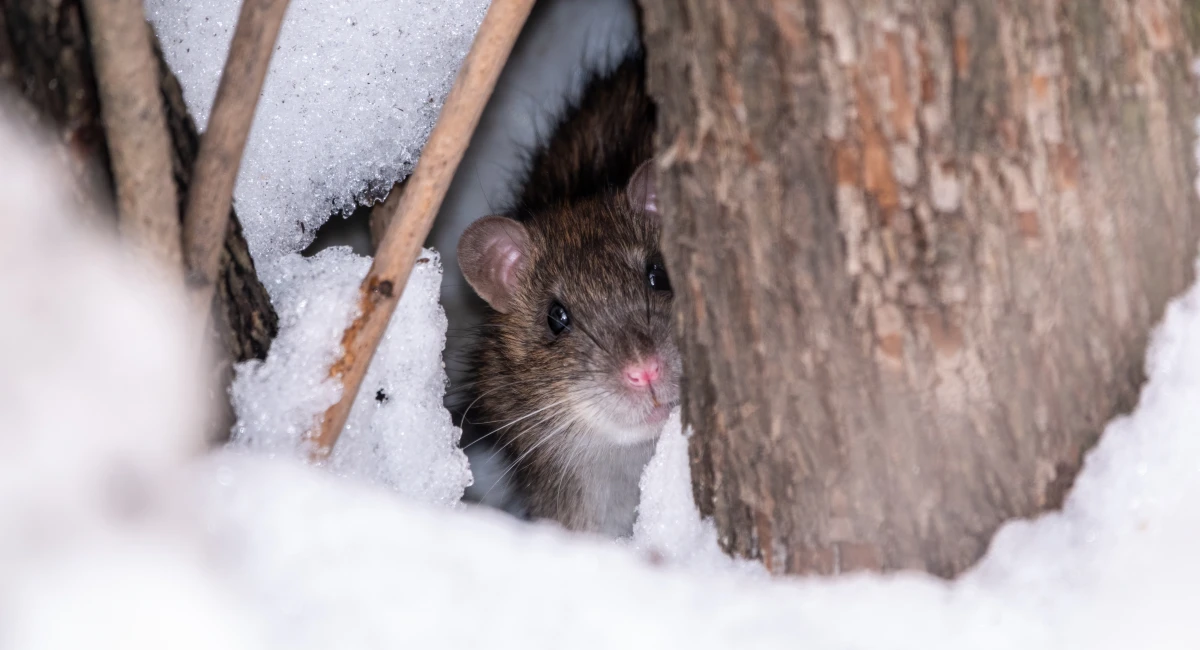
Warm air escaping through weak attic insulation, poor seals, or aging ductwork tends to rise toward upper floors. Rodents enter and use these warm zones to navigate toward attics, wall voids, and ceiling spaces. Heat loss is one of the strongest indoor attractants during winter, especially in older New England homes. If wildlife has already found its way indoors, our rodent contol and residential wildlife control team can help remove animals safely and address the conditions attracting them.
The Most Overlooked Winter Entry Points in New England Homes
New England homes vary widely in age and design, but certain structural areas consistently develop winter vulnerabilities.
Basement Rim Joists and Foundation Mortar
Rim joists often shift during cold weather, and foundation mortar can crack as temperatures rise and fall. These gaps lead directly into basements, which are warm enough in winter to attract rodents.
Attic Hatches and Knee Wall Storage
Attic hatches may not be fully insulated, creating a warm, inviting temperature difference. Knee wall storage areas, common in older homes, often contain small gaps along the floor or framing where pests can slip through.
Sill Plates, Mudrooms, and Side Entrances
Wood frames around exterior doors naturally contract in cold weather, widening gaps around mudroom entries and side doors. Worn weather stripping also creates accessible openings.
Bulkhead Doors and Utility Chases
Bulkhead doors that lead to basements may shift slightly after storms or freezing weather. Utility chases for pipes and wiring often widen as well, creating narrow but usable entry points for pests.
What Winter Entry Points Actually Look Like
Homeowners often miss winter entry points because they do not always appear obvious. JP technicians frequently find:
- Frost forming around internal outlet covers - This usually indicates cold air leaking into wall cavities through exterior gaps.
- Uneven snow melting on the roof - Warm spots suggest attic insulation gaps and heat loss that attract rodents.
- Shrinkage around window or door trim - Cold weather causes materials to contract, revealing narrow spaces that pests use.
- Small cracks forming in foundation mortar - These cracks expand gradually during winter.
- Drafts rising from old floorboards - This often means there is an exposed gap in the basement or crawl space below.
- Condensation forming around attic hatches - This signals warm air escaping through a poorly insulated entry point.
These issues do not always cause immediate damage, but they create perfect opportunities for pests to move indoors.
Why Pests Target Structural Gaps in Winter
Cold weather changes the way pests behave. With outdoor resources limited, pests focus on warmth and shelter above all else.
Heat and Moisture Form Attractive Conditions
Warm pockets behind walls or near insulation give rodents and insects a stable, sheltered place to nest. Moisture from melting snow can also attract insects seeking humidity.
Indoor Resources Are Easier to Access
Food scraps, water sources, and stored goods become more appealing during winter. Even a narrow structural gap can lead directly to kitchens, utility rooms, or basements.
Shrinking Materials Make Entry Points Larger Than Expected
Wood contracts in winter, which opens slight spaces around siding, soffits, and window frames. While these gaps may close again in spring, they are often wide enough for pests during the coldest months.
A Homeowner’s Winter Checklist for Early Pest Prevention
The following tasks help homeowners stay ahead of winter structural changes and reduce pest problems:
- Inspect basement rim joists using a flashlight to check for visible cracks or drafts.
- Look for daylight coming through exterior door frames or around mudroom entrances.
- Check attic hatches for loose insulation or condensation around the edges.
- Look for snowmelt patterns on your roof after storms to identify heat loss.
- Test outlets and light switches for drafts that may signal gaps behind walls.
- Examine bulkhead doors for movement or separation along the bottom seal.
- Seal small gaps with caulk and weather stripping where appropriate.
- Avoid storing firewood directly against the home, as this attracts rodents.
Completing this checklist once or twice during winter helps prevent pests from entering before spring activity begins. For added year-round coverage beyond seasonal maintenance, JP Pest Services offers a comprehensive home protection plan that helps monitor and manage pest pressures throughout New England winters.
The Role of Insulation in a Winter-Protected Home
While winter home maintenance covers more than insulation alone, insulation remains essential for preventing heat loss and reducing pest pressure.
Attic Insulation for Cold-Climate Heat Retention
Attic insulation reduces heat loss and prevents warm air from escaping through roofing seams. When insulation is thin or uneven, rodents often find warm pathways that lead upward.
Crawl Space Insulation for Temperature Stability
Crawl space insulation helps stabilize temperature differences that attract pests. Damp or fallen insulation encourages rodents to nest. Replacing or upgrading crawl space insulation prevents cold floors and limits pest access.
Spray Foam Insulation for Sealing Winter Air Leaks
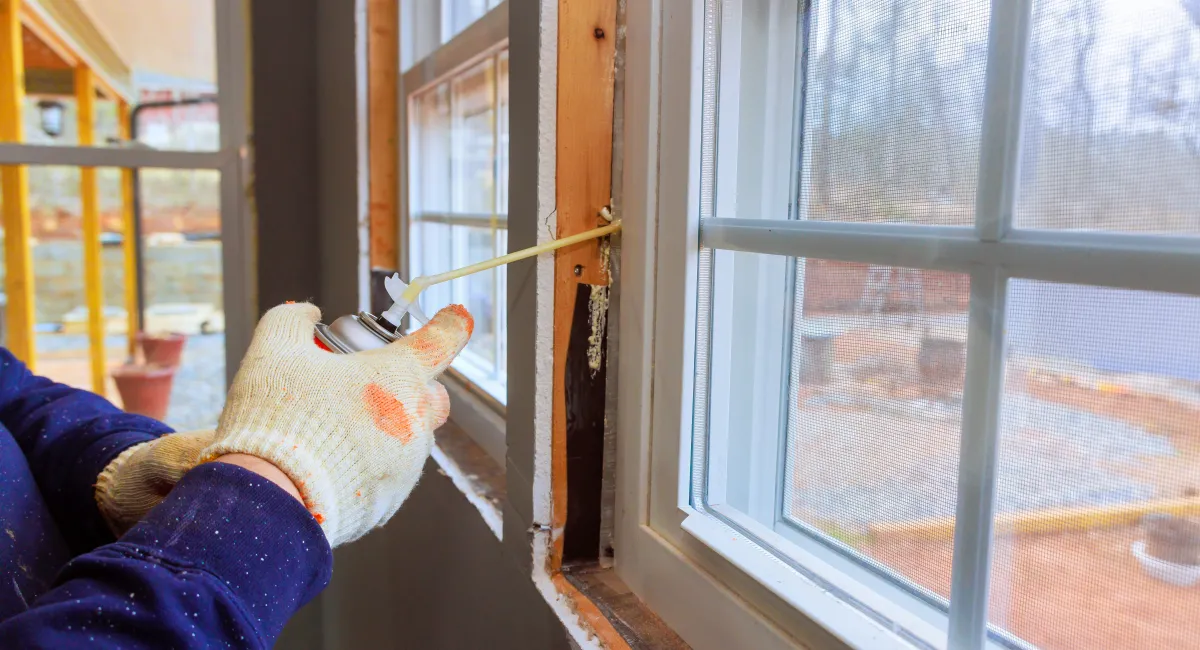
Spray foam insulation expands to fill every cavity, which makes it effective for sealing air leaks that form during winter. It reduces drafts, strengthens the home’s thermal barrier, and makes it harder for pests to move between wall spaces.
Winter Warning Signs You Should Never Ignore
Winter can reveal early clues that pests are entering through structural gaps:
- Scratching sounds behind baseboards or radiators
- Cold air leaking through outlets or attic hatches
- Odd smells coming from the walls or floors
- Droppings found in basements or utility closets
- Roof ice forming only in certain areas
- Rooms that remain cold despite proper heating
These signs indicate that gaps have formed during the season and pests may already be inside.
The Cost of Delaying Winter Maintenance
Postponing winter maintenance can lead to larger issues. As snow melts in late winter and early spring, moisture seeps into weakened gaps, causing further expansion and potential wood rot. Pests that settle indoors during winter may begin nesting before spring, leading to more widespread infestations. Damaged insulation may also lose effectiveness, increasing heating costs over the rest of the season.
Taking early action helps prevent these compounding issues and protects the home from both pests and structural deterioration.
When New England Homeowners Should Book a Winter Inspection
Mid-winter is often the best time for a professional inspection. Temperature shifts, snow accumulation, and early-season freeze-thaw cycles reveal gaps that may not be visible later. Homeowners should also schedule inspections after storms, when wind and moisture can expose new vulnerabilities. JP Pest Services tailors winter inspections to your home’s layout, age, and weather patterns to identify concerns early.
Partnering With JP Pest Services
Winter maintenance plays a major role in preventing pests from settling inside New England homes. JP Pest Services helps homeowners locate winter entry points, improve insulation conditions, and strengthen the home’s defenses. Our winter inspections provide actionable recommendations that protect your home during the coldest months and prepare it for early spring activity.
Schedule your winter pest prevention assessment today and keep your home protected from seasonal pest pressures.
Book Your Free Pest Inspection Today
Our local technicians will assess your property and recommend tailored solutions. Fast, friendly, and completely obligation-free.
- Safe, targeted treatments
- Local experts, fast response
- Trusted, trained technicians