© 2026 Rentokil Initial plc © JP Pest Services. All Rights Reserved.
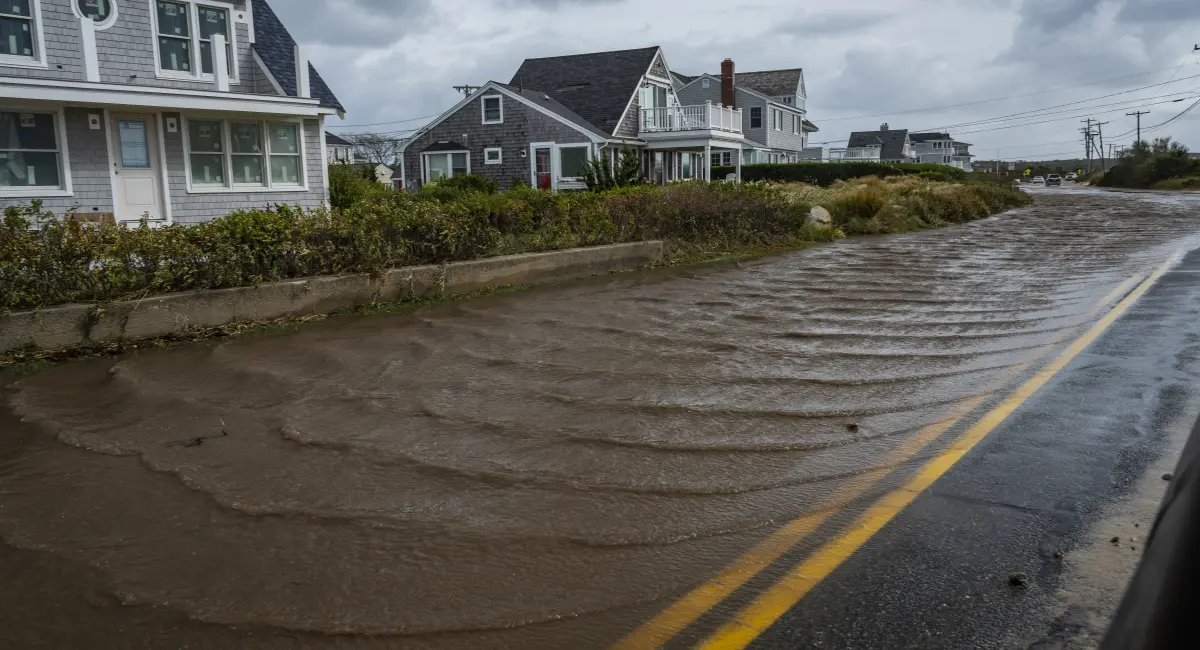
In New England, flooding is not limited to hurricane season. Heavy spring rains, rapid snowmelt, and coastal nor’easters can all lead to water damage, and with it, an increase in pest activity. JP Pest Services has been helping homeowners and businesses across the region manage these risks for nearly 100 years, combining local insight with proven prevention and control strategies.
Flooding changes pest behavior. Waterlogged soil and damaged habitats push insects, rodents, and wildlife to higher, drier ground. This often means they enter homes, garages, barns, and commercial buildings. With New England’s mix of older wood-frame structures and moisture-prone basements, properties here can be especially vulnerable.
If you live in a flood-prone area, having a Home Protection Plan in place ensures your property is inspected, monitored, and protected before, during, and after severe weather.
Which Pests Become a Problem After Flooding?
Post-flood pest activity in New England can be both immediate and long-term. Common offenders include:
- Mosquitoes – Standing water left in containers, gutters, or yard depressions becomes a breeding ground within days. In warmer months, this can quickly lead to biting swarms.
- Rodents – Norway rats, roof rats, and white-footed mice will abandon flooded burrows and enter basements, attics, or wall voids for shelter.
- Cockroaches – Sewer backups during flooding can send cockroaches into kitchens, bathrooms, and food storage areas.
- Wildlife – Raccoons, skunks, and even squirrels may move into sheds, barns, and roof spaces when their natural shelters are destroyed.
Left unmanaged, these pests can cause property damage, contaminate food, and create health hazards.
Localized Flood Recovery Tips
In New England, older homes and properties with basements are more prone to moisture issues after heavy rain. Acting quickly can make a significant difference.
1. Clear Standing Water Immediately
Drain containers, unclog gutters, and regrade low areas in your yard. This not only discourages mosquito breeding but also helps protect your foundation from water damage. For larger areas, consider a sump pump or French drain system.
2. Inspect and Seal Entry Points
After storms, look for gaps or cracks in basement windows, foundation walls, and around utility lines. JP’s exclusion work helps block rodents and wildlife. For barns and outbuildings, repair damaged siding or soffits that can give pests easy access.
3. Remove Water-Damaged Materials
Dispose of soaked cardboard, insulation, and organic debris quickly. These can attract cockroaches, ants, and rodents if left in place. If carpets or rugs are affected, they may need to be professionally cleaned or replaced to avoid attracting pests.
4. Address Damp Basements and Crawlspaces
These areas can stay humid for weeks after a flood. Dehumidifiers and improved ventilation make them less attractive to pests like termites, centipedes, and silverfish. Adding a vapor barrier or encapsulating a crawlspace can provide long-term protection from both pests and moisture.
5. Maintain Landscaping Around the Foundation
Trim shrubs and remove mulch that holds excess moisture against your home. Keeping vegetation clear also makes it easier to spot early signs of pest activity.
Why JP Pest Services is New England’s Trusted Choice
Since 1925, JP Pest Services has built its reputation on reliability, expertise, and deep knowledge of local pest behaviors. Our technicians live and work in the same communities they serve, meaning they understand the unique challenges New England properties face after storms and floods.
Protect Your Property Before the Next Storm
Flood-related pest problems can develop quickly, but preparation pays off. A pre-storm inspection and tailored prevention plan from JP Pest Services can reduce your risk and speed up recovery. This local knowledge, combined with proven Integrated Pest Management (IPM) strategies, ensures solutions that are both effective and environmentally responsible.
Contact us today to schedule an inspection.
Book Your Free Pest Inspection Today
Our local technicians will assess your property and recommend tailored solutions. Fast, friendly, and completely obligation-free.
- Safe, targeted treatments
- Local experts, fast response
- Trusted, trained technicians