© 2026 Rentokil Initial plc © JP Pest Services. All Rights Reserved.
Updated on: July 10 2026
Quick Overview
- Ticks rarely survive indoors because homes are too dry for their preferred humid conditions
- Deer ticks may die within 24 hours after becoming trapped inside
- Indoor ticks usually hitchhike in on people or pets returning from outdoors
- Tall grass, brush, and leaf litter can increase tick populations around your yard
- Yard treatments can reduce tick populations and lower risks of tick-borne diseases
Most common pests that are a problem outdoors—ants and spiders come to mind—occasionally venture and are discovered indoors at some point. But have you ever noticed you almost never encounter a tick indoors?
Ever wonder why?
While ants and spiders might make themselves perfectly at home in your house, ticks don’t stick around long if they do make their way indoors. There are actually several reasons why.
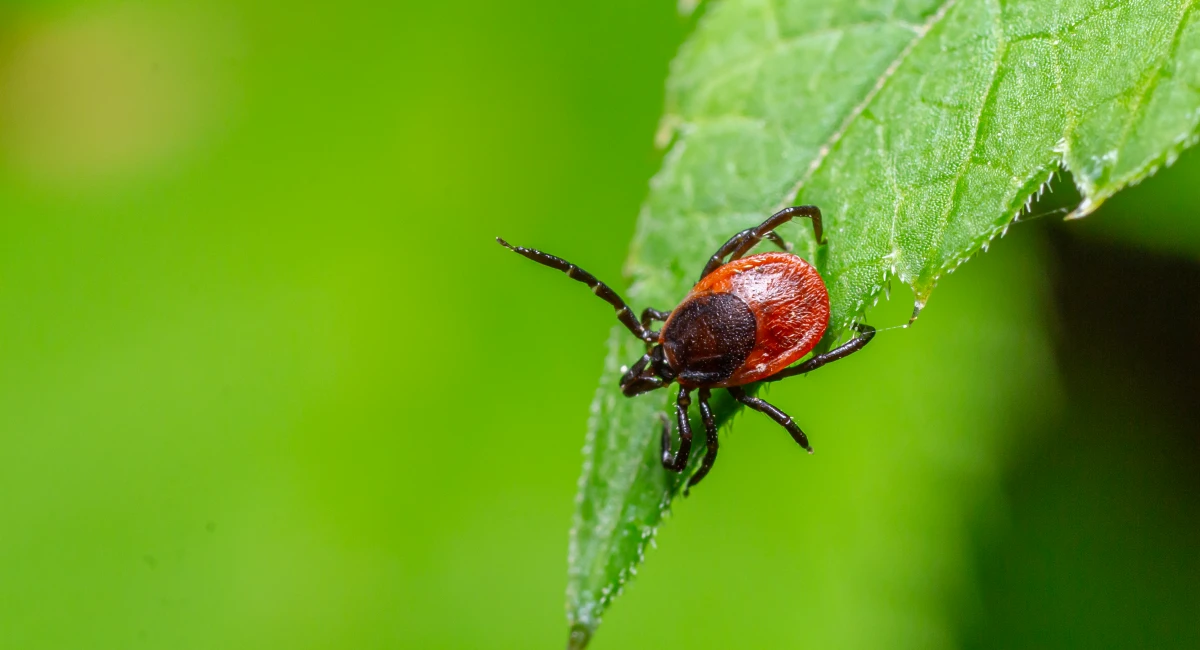
Tick Populations May Be Exploding, But Outside, Not in Your Home
Ticks thrive in hot, 90% humidity environments. But most people’s heat and air conditioning dries out their interior air which keeps the humidity much lower.
Some species, such as deer ticks, usually die within about 24 hours of becoming trapped indoors. That’s why most ticks you see indoors were brought in recently, usually on a pet or human returning from a jaunt out into nature, where ticks are plentiful.
No matter how big your family might be, there’s not much prey for ticks to “hunt” indoors, compared to the wide variety of wildlife available for them outdoors.

The More Ticks in Your Yard, the More Likely You’ll Find One Inside
As ticks hitchhike to get indoors, the more ticks you have in your yard, the more likely one will catch a ride and come inside.
If your yard has a lot of brush or tall grasses, it’s a veritable breeding ground for ticks. That’s doubly true if you have a lot of leaf litter. Cleaning up and tidying up your yard can go a long way to reducing tick populations, but it can only go so far.
Ticks Are Among the Most Dangerous Pests in New England
The problem with ticks goes well beyond the ick-factor of having to pluck a bloodsucking parasite off yourself or your pet. Having a tick attached to your body is a ticking time bomb, with a potentially devastating disease as a possible result.
Of the 20 diseases carried by ticks, the most worrying are Lyme disease and Rocky Mountain spotted fever, both of which can turn deadly if left untreated.
About 20% to 30% of all ticks in North America are infected with Lyme disease, which can cause joint swelling, irregular heartbeat, lethargy, and even death. Your only way to guarantee to never developing Lyme disease is to never get bitten by any tick.
Treatment Can Reduce the Tick Population in Your Yard by up to 90%
The best way to protect yourself and your family and pets from tick-borne diseases is with a treatment like our tick control program.
Fewer ticks in your yard means fewer tick bites and less chance of coming down with Lyme or any other tick-carrying diseases.
At JP Pest Services, we’ve protected New England citizens from ticks for over 100 years. So we have the experience and expertise to minimize their number and the risks they carry.
We can reduce tick populations in your yard by up to 90%. Request your free quote today and we’ll create a program that suits you, your family and your yard.
Book Your Free Pest Inspection Today
Our local technicians will assess your property and recommend tailored solutions. Fast, friendly, and completely obligation-free.
- Safe, targeted treatments
- Local experts, fast response
- Trusted, trained technicians