© 2026 Rentokil Initial plc © JP Pest Services. All Rights Reserved.
Quick Overview
- Overflow storage from holiday donations often falls outside your store's standard pest-monitoring zones.
- Donated goods bypass standard receiving inspections, increasing the risk of introducing stored-product pests.
- Large volumes of corrugated cardboard create nesting areas for rodents escaping falling New England temperatures.
- Well-meaning volunteers and seasonal staff may overlook early warning signs of pest activity, such as gnaw marks or webbing.
- Elevating storage, setting holding-time limits, and expanding monitoring routines help keep your primary inventory secure.
For New England grocery retailers and food distribution centers, November marks the start of the season of giving. Holiday food drives are a vital part of community support, bringing in thousands of dollars of non-perishable goods to help those in need. However, from a facility management and compliance perspective, these surges in donations can bring additional pest challenges.
When your grocery store or facility takes in large volumes of donated goods, it often pushes your backroom and dry-storage areas well past their normal capacity. These items are inherently unpredictable. They arrive in mixed packaging, sit for varying periods, and move through your store differently from your standard managed inventory.
The donations themselves are never the problem. The risk develops only when your established storage, inspection, sanitation, and monitoring controls become stretched to their limits.
The Vulnerability of Temporary Food Storage
Food storage is highly regulated and needs to be for compliance reasons. Retail stores have dedicated racking, climate control, and established monitoring zones along walls and entryways to catch pest infestations at the earliest stage.
However, holiday donations can disrupt this highly controlled environment. To accommodate the sudden influx of items, grocery managers frequently set up collection bins around exits, front-of-house retail spaces, or employee break rooms. When primary storage is full, overflow is often staged in temporary areas, such as empty backroom corners or disused loading dock bays.
The primary issue with temporary storage is that it falls outside your routine pest-monitoring coverage. Exits and employee areas are high-traffic zones that may not necessarily have the same level of monitoring as your primary dry-storage warehouse.
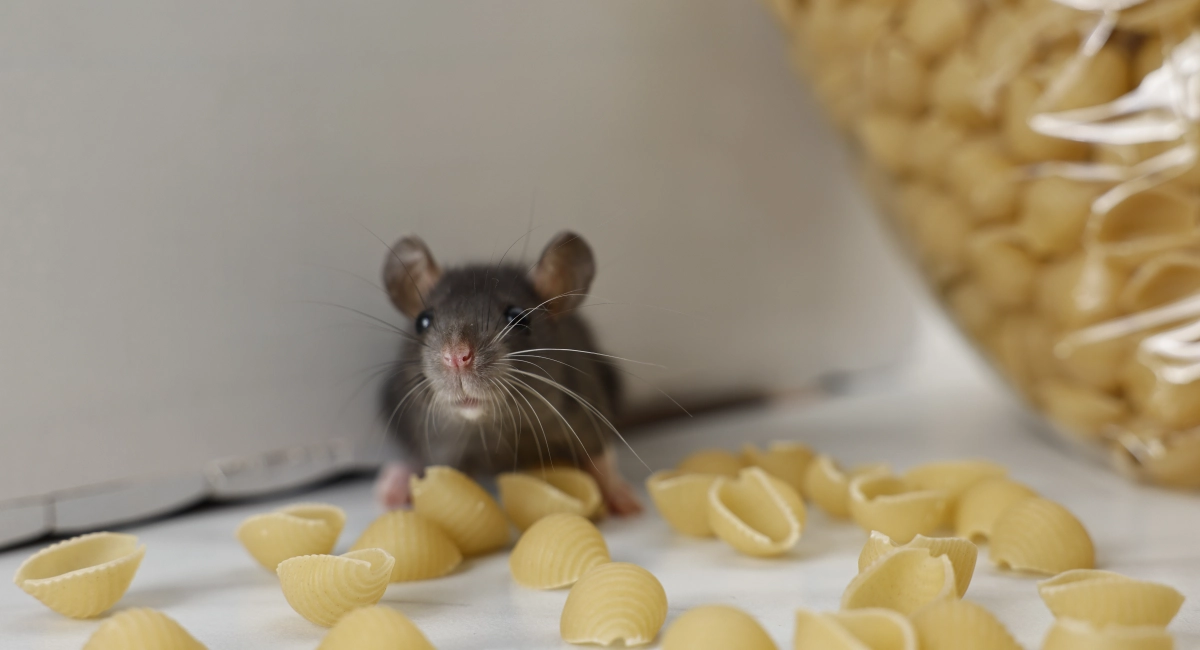
When goods sit unmonitored in these blind spots for days or weeks, awaiting charity pickup, they attract opportunistic pests such as cockroaches and rodents, allowing an infestation to develop unnoticed.
Slipping Past Standard Receiving Checks
Unlike standard retail inventory that undergoes strict inspection and FIFO rotation, community food drives bypass receiving safeguards. Donated goods arrive from unverified sources (such as residential pantries where items like cereal or pasta may have sat for years), increasing the risk of introducing stored-product pests like Indian meal moths or drugstore beetles.
Additionally, mixed packaging and irregular boxes often lead to spilled grains and debris at the bottom of collection bins. This hidden food source can trigger localized infestations that easily spread to primary inventory. Integrating these temporary collection zones into your commercial pest control programs is essential to protect main stock.
Corrugated Cardboard and Seasonal Rodent Pressure
Most holiday food donations arrive in corrugated cardboard boxes, which provide ideal insulation, nesting material, and hiding spots for pests. When large volumes of this cardboard are stacked together, they create dark, unmonitored gaps that easily hide early signs of an infestation, such as droppings or webbing.
This influx of donations coincides with November’s sharp temperature drops across New England. Whether your facility is in the urban density of Massachusetts or the colder regions of New Hampshire and Maine, falling temperatures naturally drive rodents indoors for shelter.
Your loading docks, exterior doors, and receiving bays are already high-pressure areas during this seasonal shift. When you place a mountain of undisturbed cardboard and uninspected food near these vulnerable entry points, you create an ideal, easy-to-access shelter for mice and rats.
You can better manage this risk by expanding your commercial rodent-control routines to cover temporary staging areas.

The Role of Volunteers and Seasonal Staff
During the holiday rush, grocery stores and distribution centers often rely on temporary seasonal employees or community volunteers to help manage food drives. While their help is invaluable, they lack the specialized IPM training of your permanent team.
Seasonal staff and volunteers are focused entirely on volume and speed, moving items from the collection bin to the staging area and onto the charity’s truck. They are generally not trained to recognize the early warning signs of a pest issue. A volunteer might not realize that a small tear in a cereal box was caused by a mouse, or that a fine dusting of powder at the bottom of a bin indicates stored-product pest activity.
This knowledge gap can dramatically increase your facility's exposure to pests. Furthermore, if a pest issue goes unreported by temporary staff, it has time to grow and spread before your facility manager discovers it.
Protecting Your Facility During the Season of Giving
Supporting local charities should never compromise your facility’s compliance or sanitation standards. To manage the influx of holiday donations and avoid pest problems, operations teams should implement proactive adjustments to their daily routines.
-
Elevate and isolate storage: Never store donated goods directly on the floor or against walls. Keep all temporary storage off the ground and away from exterior walls to maintain a clear inspection aisle.
-
Establish hard time limits: Do not let donations sit indefinitely. Schedule regular, frequent pickups with your partner charities to reduce the holding period and minimize pest exposure.
-
Upgrade collection bin sanitation: Replace cardboard collection boxes with smooth, easily cleanable plastic bins. Inspect and wipe down the bottom of these bins daily to remove spilled food and crumbs that attract pests.
-
Train your floor teams: Provide your permanent staff with a brief refresher on how to spot damaged packaging, rodent droppings, and insect webbing so they can double-check volunteers' work.
An Experienced Pest Control Partner
Community food drives require flexibility, but your sanitation and compliance standards must remain thorough. Start by keeping overflow donations off the floor, setting strict pickup dates with charity partners, and adding temporary staging zones to your facility map. When you need extra support adapting your coverage for seasonal surges, partnering with an experienced commercial pest management provider ensures your temporary storage areas receive the monitoring and protection they need.
Supporting the community shouldn't mean risking an infestation. Partner with JP Pest Services to seamlessly expand your pest management coverage during the busy holiday season.
Book Your Free Pest Inspection Today
Our local technicians will assess your property and recommend tailored solutions. Fast, friendly, and completely obligation-free.
- Safe, targeted treatments
- Local experts, fast response
- Trusted, trained technicians