© 2026 Rentokil Initial plc © JP Pest Services. All Rights Reserved.
Halloween decorations are not the only things creeping into New England offices this October. When October temperatures drop across New England, your heated office building glows like a giant neon sign to local bugs. They aren't looking for trouble; they're looking for free warmth.
While there is no direct threat to office staff, visible pest activity can still harm workplace standards. Cobwebs in reception areas or flies in meeting rooms may lead to complaints and give clients the wrong impression.
Fall pest prevention starts with knowing why these pests appear. It also means fixing the building conditions that allow access to your building.
Why Cluster Flies Appear in Offices During Fall
Cluster flies are essentially the worst colleagues you could hire: they show up unannounced, spend all afternoon aimlessly buzzing against windowpanes, and crash into light fixtures. Office buildings offer many options for shelter, including wall voids, roof spaces, ceiling cavities, and gaps around windows. They can enter through small openings around:
- Rooflines, soffits, and vents
- Window and door frames
- Utility pipes and cables
- Damaged screens or worn weather stripping
- Gaps under exterior trim and siding
Once inside, cluster flies often remain hidden in wall voids, roof spaces, and other sheltered areas until rising thermal temperatures draw them out. This is why clusters frequently gather around upper-floor windows and on sun-warmed sides of the building.
Buildings with repeat problems may need professional cluster fly control for effective, long-term solutions.

Why Spiders Are More Visible In Fall
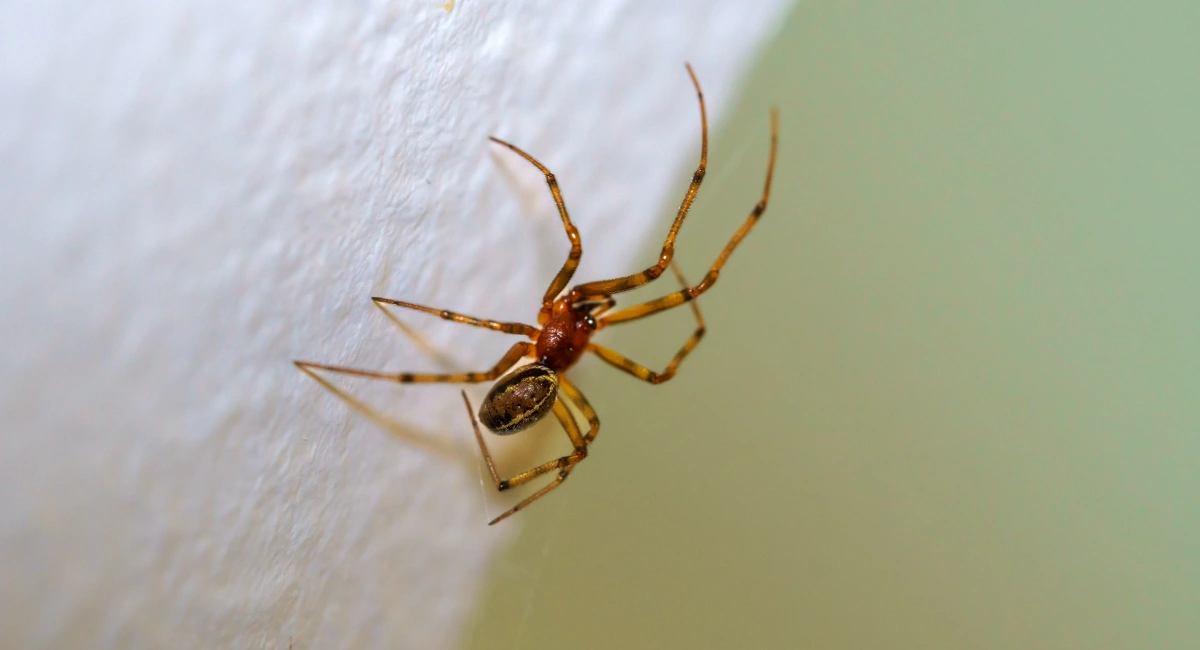
There are two main reasons you see more spiders in offices during fall: to escape the New England chill and to take advantage of a steady supply of insects to eat.
Exterior lights attract flying insects near doors, windows, and loading areas, which encourages spiders to set up webs nearby. Inside, you’ll notice web buildup in ceiling spaces, utility rooms, storage areas, and spaces behind furniture.
An occasional spider isn't usually cause for concern. However, cobwebs that constantly reappear and frequent spider sightings can suggest underlying building issues, such as worn door sweeps, window gaps, or other insect problems.
How Fall Pests Can Affect Office Operations
Spiders and cluster flies are often classified as nuisance pests, but visible activity can create problems for the owners and building managers responsible for maintaining professional, client-facing offices.
For example, cobwebs near lights, reception desks, or meeting-room windows may suggest poor cleaning or maintenance, while groups of flies can distract employees and visitors. Dead flies may also collect on windowsills or inside light fixtures.
When customers visit a tenant’s office for consultancy meetings, remarks about these conditions can reflect poorly on the business leasing the space and prompt complaints to facilities teams.
Pest sightings can lead to staff complaints, extra cleaning, and repeated maintenance requests, and repeated reports can strain tenant relationships and raise concerns about building upkeep.
A planned commercial pest control program can connect separate sightings and reveal wider patterns. This helps property teams decide which repairs should come first and keep a clear record of the response to share with affected tenants.
An October Prevention Checklist for Office Facilities
The best approach is to reduce pest entry before cluster flies reach hidden spaces or spiders build webs in public areas. October inspections should focus on the outside of the building and indoor areas with repeat activity.
Maintenance teams should:
- Inspect The Upper Building Exterior. Check roof edges, soffits, vents, siding, and utility openings. Give extra attention to sunny sides of the building, where cluster flies may gather.
- Check Windows And Doors. Repair damaged screens and replace worn weather stripping. Make sure exterior doors close fully.
- Review Exterior Lighting. Where practical, adjust lighting so it does not draw flying insects toward entrances and windows.
- Remove And Record Webs. Note where webs return after cleaning. Repeat activity may help reveal entry points or areas with high insect activity.
- Inspect Quiet Interior Areas. Include utility rooms, storage areas, ceiling access points, mechanical spaces, and upper floors.
- Track Pest Sightings. Record the date, location, pest type, and number seen. This can help separate a one-time sighting from a seasonal pattern.
- Coordinate Pest Control and Repairs. Facilities, maintenance, cleaning, and pest control teams should use shared inspection findings to guide their response.
A vacuum can remove cluster flies without crushing them against walls or windows, where they may leave marks. However, vacuuming is only a short-term response, and won’t stop more flies from emerging from hidden spaces.
Why Prevention Must Cover The Whole Property
The root causes of office pest activity often include shared loading areas, nearby landscaping, exterior lighting, roof damage, and common utility routes, all of which can lead to pests entering the building.
Infestations can be particularly problematic in multi-tenant and mixed-use properties, when pest issues in one unit spread to other tenant spaces through walls, vents, and utility chases. In this instance, treating a single office is unlikely to completely eliminate pest populations. Inspections should therefore cover the entire property, not just the room where activity was reported.
For property managers overseeing several locations, consistent reporting can also reveal which buildings experience repeat seasonal activity. These findings help teams prioritize repairs and strengthen prevention before the next fall cycle.

Keeping Fall Pest Activity Out of Sight
Cluster flies and spiders follow seasonal patterns and exploit building weaknesses. Early action can help offices avoid repeat fly activity, visible cobwebs, and preventable complaints during the colder months.
If cluster flies or spiders keep appearing, a professional assessment can help find where they are entering and whether the issue extends beyond the occupied office.
JP Pest Services supports commercial properties across a wide range of industries, including offices and multi-site operations. By combining inspection, exclusion, monitoring, targeted treatment, and detailed record-keeping, our integrated approach delivers a prevention plan tailored to your building layout and pest history.
A professional inspection can identify hidden entry points and recurring pest patterns across your property portfolio. Speak with JP Pest Services about a prevention plan tailored to your office and its seasonal risks.
Book Your Free Pest Inspection Today
Our local technicians will assess your property and recommend tailored solutions. Fast, friendly, and completely obligation-free.
- Safe, targeted treatments
- Local experts, fast response
- Trusted, trained technicians