© 2026 Rentokil Initial plc © JP Pest Services. All Rights Reserved.
Cluster Flies, also known as attic flies, are a common nuisance pest, especially in late summer, fall, and winter. As temperatures drop, these slow-moving flies from the genus Pollenia often gather in large groups in homes.
Cluster flies are more of a bother than a danger, but a major cluster fly infestation can disrupt your comfort and cleanliness. Identifying them and understanding their behaviors, habitat, and control methods is key to managing an infestation and protecting your property.
Wherever you are in New England, from Maine to Massachusetts, Rhode Island, or Vermont - we’ve got your back against annoying cluster flies. Give us a call today for a free consultation.
Species: Pollenia rudis
Season: Autumn
Size: 1/8″ – 5/8”
Region: Throughout the U.S.
Cluster Fly Control Services in New England
Cluster fly control services in New England are designed to manage these seasonal invaders before they gather inside homes and businesses. As temperatures cool, cluster flies seek out protected spaces to rest through winter. This often leads them into attics, eaves, and wall voids. Professional treatment targets their entry and resting points, reducing large groups and limiting their appearance in spring.
At JP Pest Solutions, our approach centers on finding how and where cluster flies get inside, addressing gaps, and applying targeted treatments for long-term prevention. These flies return yearly to the same buildings, so ongoing monitoring and proactive service make a difference. If cluster flies are a recurring issue, a tailored plan helps keep their activity manageable each season. Contact us today to discuss your needs and schedule your cluster fly control service.
Struggling with Flies?
Call now to book your free inspection.
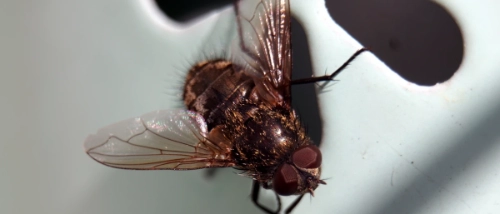
What Do Cluster Flies Look Like?
Typically measuring seven to ten millimeters in length, cluster have a stout, somewhat rounded body covered in short golden hairs. Their wings fold flat over their backs when at rest, giving them a characteristic appearance. Most adults are a dull gray shade with slight metallic tones and lightly mottled abdomens.
Their slow, lumbering flight contrasts sharply with the swifter movements of houseflies. As they wander indoors, their wings overlap neatly, and their thorax bears tiny golden hairs that give them a fine shine.
Their larvae are maggot-like and white, and develop inside earthworms after eggs are laid in soil near worm tunnels. They don’t appear inside homes, but the adult stage invades indoor spaces during cooler months.
If you catch one, you may notice its sluggish behavior, silence, and lack of buzzing, compared to regular flies. When it lands, it often seems to hang motionless against vertical surfaces or in cracks along window frames.

Signs of Cluster Fly Infestation
The hallmark of a cluster fly infestation is the discovery of dozens to hundreds of sluggish flies inside. Most often spotted on southern-facing windows and walls, they gather on warm surfaces to soak up the sun.
Other signs include grease-like streaks on walls or ceilings from crushed flies. These can stain paint and plaster over time causing issues for homeowners. When these insects die in large numbers, they can smell musty or like buckwheat. Homeowners, especially those with attics, often notice this smell.
You may find flies crawling on insulation or hanging from rafters in attic spaces, as well as around roof vents, soffits, or eaves. As the temperature inside your home and outside changes during late winter and early spring, cluster flies become active and are drawn out of their hiding spots. They move toward light and warmth, often heading towards sunny areas of the property.
Sometimes, walkways or sidewalks below the roof eaves host piles of dead flies as they exit or succumb in spring. While not dangerous, this accumulation highlights a pervasive cluster fly infestation requiring attention.
Household pests like carpet or dermestid beetles may also take advantage of dead cluster flies inside walls. They feed on the remains, causing secondary infestations, and which can lead to additional pest activity if infestations are left unmanaged.
Common Places Where Cluster Flies Are Found
- They usually gather in quiet, undisturbed places such as attics, crawlspaces, wall voids, eaves, and soffits.
- You might also find them hiding behind baseboards, around pipes and electrical outlets, or inside window and door frames.
- They get inside through tiny gaps around utility lines, under trim, or through damaged screens.
- The sunny side of your home warms up faster, which attracts more flies at once.
- If you see flies in your bedroom, they have probably come from the attic and traveled through the wall or ceiling spaces.
- Indoors, they tend to settle in warm spots near vents or sunny windows, especially as the temperature rises.
Cluster Fly Behaviors, Diet, Habitat & Life Cycle
During warm weather, adult cluster flies dine on flowering shrubs, using their long mouthparts to sip nectar. They aren’t scavengers and won’t seek out garbage or decaying organic waste.
As days get shorter and temperatures drop, they leave feeding sites. They then look for safe places to spend the winter, which is when your property becomes a target. To seek shelter they detect light and heat seeping through cracks, windows and vents. This signals them to enter, where they settle. Their slow, deliberate movements amid sunlight make them easy to spot.
Each stage of their life cycle (egg, larva inside an earthworm, pupa in soil, and adult), plays into their seasonal behavior.
Are Cluster Flies Dangerous?
Though they don’t bite or spread diseases like houseflies or blowflies, cluster flies can still cause annoyance. Their large numbers can lead to staining and foul odors when they die together.
Their presence can cause significant disruptions to your home or business. Imagine walking into a room filled with sluggish flies, or waking up to the overwhelming smell of dead flies, it's more than just a nuisance. The greasy stains left behind by crushed flies can damage your walls and ceilings, leaving permanent marks that are tough to clean.
But the problems don't end there. Dead cluster flies attract secondary pests like carpet beetles and dermestid beetles, which feed on their remains. This creates an even bigger headache, as these pests can cause damage to furniture, fabrics, and carpets which can create additional cleanup and pest management concerns.
The longer you let the infestation go unchecked, the more likely these secondary pests are to spread, creating a cycle of contamination and damage. Proactive action is essential to avoid these compounding issues and protect your property.
How to Get Rid of Cluster Flies
Controlling and preventing cluster flies involves two key strategies: exclusion and active removal. Used together, these can help minimize indoor populations and prevent cluster fly infestation.
Timing is essential. Start preventive measures in late summer or early fall before flies enter. Professional cluster fly control focuses on identifying and addressing entry points around siding, soffits, windows, doors, and vents. These steps form the core of cluster fly control for commercial spaces or your home.
Why JP Pest Services?
Targeted Approach
We begin with a detailed inspection to identify entry points and attic activity, then apply targeted exterior and attic-edge treatments. When needed, we use attic vacuuming or low-impact misting to help clear active flies.
Season-smart Cluster Fly Control
Our treatments are timed to coincide with the cluster fly life cycle, particularly before overwintering begins. This helps reduce repeat visits, limits leftover mess from dead flies, and lowers the risk of secondary infestations.
Long-term Protection, Not Quick Fixes
We seal entry points, apply residual treatments, and offer spring follow-up checks to make sure flies haven’t lingered inside. The goal is to protect your home, not just provide temporary relief.
Frequently Asked Questions
Cluster flies are slower, larger, and covered in fine golden hairs on their thorax. House flies breed on decaying waste and spread more germs, unlike cluster flies.
No. They feed only on nectar and pose no biting threat to people or animals.
Yes. These cooler northeastern states often have clusters of these attic flies entering homes in the fall to overwinter.
Preventive sealing in late summer: Vacuum or trap flies inside. If infestations recur or are large, reach out to professionals for perimeter treatments, sealing, and removal assistance.