© 2026 Rentokil Initial plc © JP Pest Services. All Rights Reserved.
Pests are a part of everyday life, but some of the statistics about them might surprise you. From the amount of damage rodents cause to the risks of mosquito bites, these facts show just how much pests can affect our homes, health, and food.
Here are six important facts from our infographic, along with updated details to help you understand the bigger picture. If you have a pest problem or just want to learn more, this is a great place to begin.
Bed Bug Infestation Rates in Apartments & Hotels
Bed bugs are tough to eradicate, and more common than many people think. Industry surveys show that 95% of pest control professionals have treated apartments and condos for bed bugs, and about one in five Americans has dealt with an infestation or knows someone who has.
Bed bugs are great at hitchhiking. They move from place to place in luggage, clothing, and used furniture, making hotels, apartments, and other shared housing especially at risk. Bed bugs can appear in five-star hotels just as easily as in budget motels.
If you notice small reddish-brown stains on your bedding, shed skins near your mattress, or wake up with itchy bites in a line or cluster, it's a good idea to call a professional. Finding bed bugs early really helps. Our team can inspect your home and suggest the best way to treat the problem.
Global Food Damage Caused by Rodents
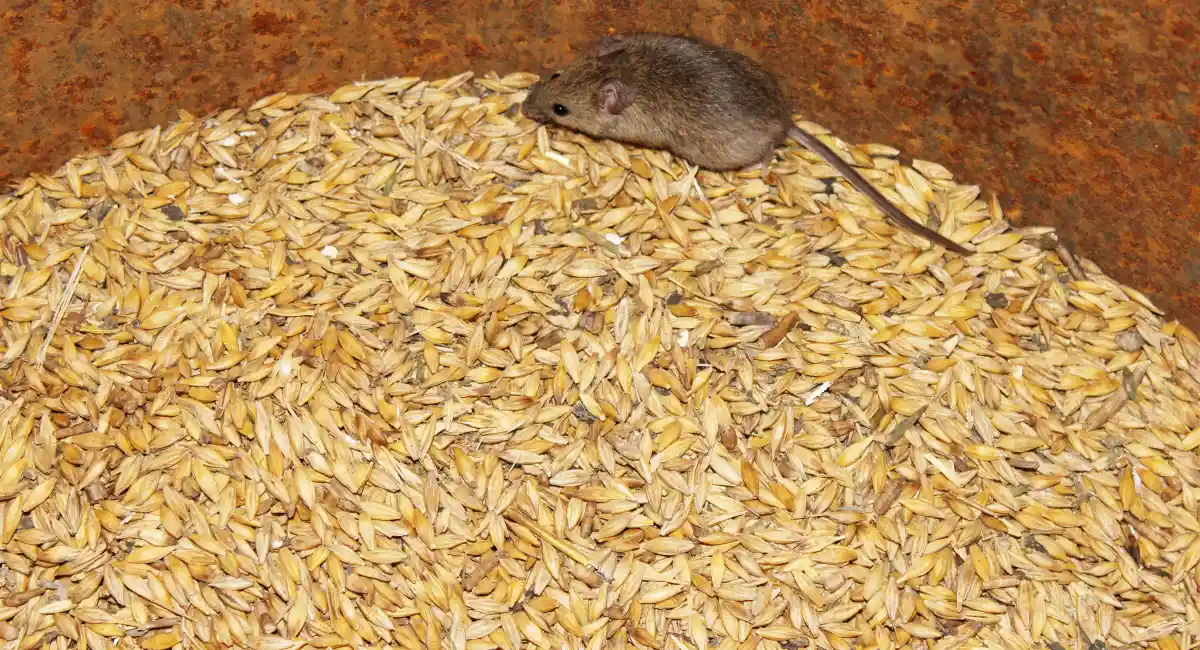
Rodents destroy enough food each year to feed over 200 million people. Around the world, they eat or contaminate about 20% of the food supply, which is why rodent control is so important at home and in businesses.
A single rodent can contaminate a vast area with droppings, urine, and hair, making food unsafe and causing hygiene problems. At home, they usually target kitchens, pantries, and anywhere food is kept or prepared.
If you see chew marks on packaging, droppings in cupboards, or hear scratching at night, act quickly. Rodents multiply fast, and a small problem can quickly get out of hand.
Pathogens and Diseases Spread by Rodents
Rodents are a real health risk. Mice and rats can carry and spread serious diseases like hantavirus pulmonary syndrome, salmonellosis, and the bubonic plague. These illnesses are transmitted via their droppings, urine, and saliva, or through the parasites they harbor, like fleas and ticks.
You can contract hantavirus simply by inhaling dust from rodent droppings, without direct contact. Leptospirosis, another disease transmitted by rodents, can spread through contaminated water or soil containing rodent urine. If anyone in your home develops symptoms after possible exposure to rodents, see a doctor right away.
Our rodent removal services go beyond trapping. We check your property, find where rodents are getting in, and create a plan to prevent infestations. DIY methods can help, but don’t provide a long-term solution.
Ant Problems are The Number-One Nuisance in America
About half of American homeowners have an ant issue each year, making ants the top pest nuisance in the U.S. This is because one colony can include thousands of workers, and when one ant finds food in your home, the rest soon follow. Some species, like carpenter ants, chew away at wooden foundations, hollowing out overhead beams and supporting joists to make nests. This kind of damage is easy to miss until it gets expensive.
Professional ant control is highly effective. Trained technicians conduct a thorough inspection to identify the species involved, locate nesting sites, and apply tailored treatments to help eliminate the entire colony.
Termite Damage Repair Financial Costs in the USA
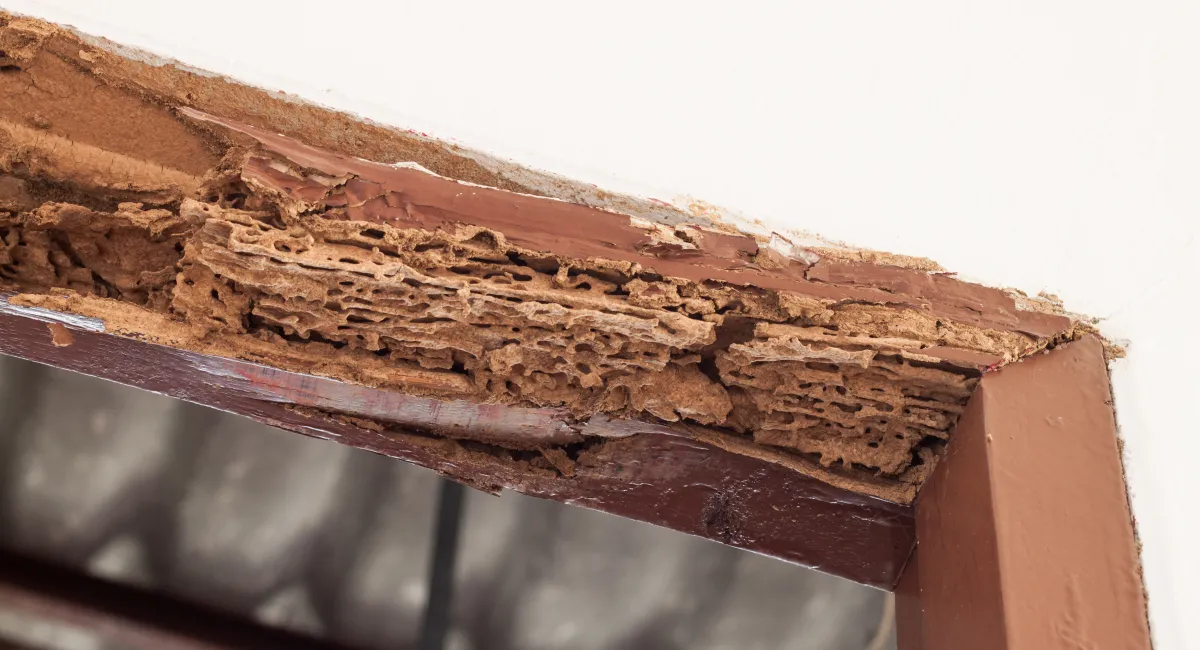
Termites are often called "silent destroyers" because they can feed on wood, flooring, and wallpaper for years without leaving visible signs of damage. The average homeowner’s insurance doesn’t always cover the cost of structural repairs, which can be incredibly expensive. In the U.S., termites cause over $5 billion in property damage annually, with the average homeowner spending about $3,000 on repairs. This is largely due to subterranean termites—the most destructive variety—which build underground colonies and infiltrate homes through tiny cracks in foundations and walls.
Regular inspections are the best way to protect your home. Termite experts are trained to spot subtle early warning signs like mud tubes, wood that sounds hollow, and discarded wings near windows. If you haven't had your home checked lately, a free pest inspection is a recommended first step.
The Impact of Mosquito Diseases
Mosquitoes are widely considered the world’s deadliest animals, posing a greater threat to human health than any other pest. According to the World Health Organization, they cause nearly 700,000 deaths annually—a toll that exceeds that of sharks, alligators, and snakes combined. By transmitting diseases such as malaria, dengue fever, the Zika virus, West Nile virus, and yellow fever, they remain a significant global health risk.
In the U.S., West Nile virus is still the most common mosquito-borne illness, with thousands of cases each year. Zika and Eastern Equine Encephalitis (EEE) are also problems in some areas. Mosquitoes breed in standing water, so even a small amount, such as in a clogged gutter, birdbath, or puddle, can help them multiply.
Our mosquito control services target mosquitoes at every stage, from larvae in standing water to adults resting in vegetation. We use EPA-registered products and mosquito repellent systems to create a protective barrier, combined with monthly treatments to significantly reduce activity around your home, allowing you to enjoy your yard in peace.
Book Your Free Pest Inspection Today
Our local technicians will assess your property and recommend tailored solutions. Fast, friendly, and completely obligation-free.
- Safe, targeted treatments
- Local experts, fast response
- Trusted, trained technicians