© 2026 Rentokil Initial plc © JP Pest Services. All Rights Reserved.
A pest-free garden can be a great first defense against pests trying to invade your home. So, this year, while you’re busy protecting your tomato plants, spice garden or flower beds, try using some of these tried-and-true techniques around your home as well.
Don’t Toss Those Coffee Grounds!
Slugs won’t crawl across a line of coffee grounds and cats, who might otherwise use your garden bed as a litter box, will go elsewhere to do their business if they catch a whiff of coffee. Conversely, worms love coffee as much as you do and will munch it up like a snack, then redeposit it back into the soil as nutrient-rich worm castings, aka, excrement. Their presence also encourages better water drainage while feeding on plant debris, making them perfect additions to anyone with a green thumb.
Pest Solution: Safe and Effective DIY Bug Spray
Here’s how to whip one up in a jiffy: Mix a ratio of one cup vegetable oil with twelve tablespoons of soap, cover and shake, then mix two teaspoons of that solution with one quart of water in a spray bottle, shake and spray on vegetable plants and flowers to knock out aphids, mites, thrips, and more. Alternatively, you can skip the vegetable oil and just use one teaspoon of soap for one quart of water, too.
Diatomaceous Earth: Garden Center’s Secret Weapon
Next to the bags of potting soil and lime in your local garden center, you may have seen another product with a rather intimidating name: diatomaceous earth. Mined from lake beds, diatomaceous earth works as a “mechanical pesticide” in that it dehydrates anything that crawls over it. It’ll naturally fight against slugs, flies, maggots, aphids, ants, mites, and rodents.
Plants vs. Pests: How to Fortify Your Garden’s Defenses
Some of the properties that we love most about certain plants – such as how they smell or taste -- are the very things those plants evolved to deter pests and predators. You can leverage the wisdom of thousands of years of evolution for use in your own garden. Here are a few kinds of plants with similar natural defenses, and what species those plants repel:
- Geraniums: Ticks, including those that carry Lyme disease and Rocky Mountain fever. (Word of caution: geraniums are also toxic to dogs and cats when consumed).
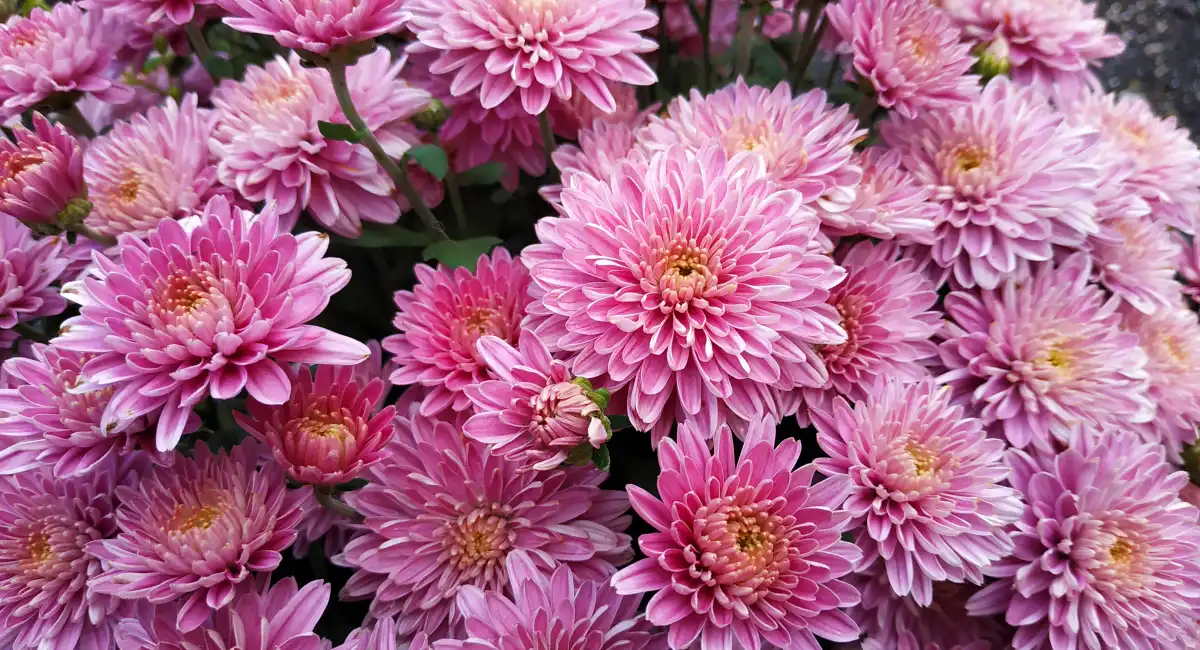
- Chrysanthemums: Silverfish, ants, cockroaches, fleas, lice, and ticks.
- Lavender: Fleas, moths, mosquitoes, and many other insects
- Marigolds: Mosquitoes and aphids.
- Basil: Mosquitoes and houseflies.
- Lemongrass: Mosquitoes (lemongrass is where citronella oil comes from!).
- Catnip: Stink bugs.
Crop Rotation: Not Just for Commercial Agriculture
If last year’s gardening season was ruined by a particular pest, it may have been the fault of the particular species you decided to grow. This year, try swapping out some or all of the varietals in your garden and see if you don’t also swap out your pest problem.
The Itsy-Bitsy Natural Pest Controller
As long as you don’t have a bad case of arachnophobia (aka, fear of spiders), you might find a friend in the eight-legged creatures with an appetite for insects. You can attract spiders to your vegetable garden by planting flowers among your crops, as well as plenty of tall plants like sunflowers and cornstalks, which will encourage them to build nice, big, insect-trapping webs.
Not Very Ladylike: Ladybugs’ Appetite for Aphids
Aphids can wreak havoc on a garden by both the damage they cause and the secondary species they attract, like ants. Thankfully, aphids have a natural predator that’s as cute as it is ferocious -- ladybugs.
Bonus: Ladybugs will help control ant populations as well, making them less likely to later invade your home!
Birdbath or Mosquito Breeding Ground?
Birdbaths are wonderful, but they have a major downside: Mosquitoes will use their stagnant water as a breeding ground. Rotate birdbath water out daily to avoid harboring a mosquito maternity ward.
Bird Feeders are for the Birds
Bird feeders, too, attract far more than just birds. Large rodents, like squirrels, are also drawn to the birdfeed (but are easily deterred with a spring, baffle or tray). Hummingbird feeders can draw ants, so be sure you look for models with an ant moat to stop them.
Book Your Free Pest Inspection Today
Our local technicians will assess your property and recommend tailored solutions. Fast, friendly, and completely obligation-free.
- Safe, targeted treatments
- Local experts, fast response
- Trusted, trained technicians