© 2026 Rentokil Initial plc © JP Pest Services. All Rights Reserved.
Even though February is one of the coldest months of the year in New England, it’s also when the seasons quietly begin to shift. Days get a little longer, the sun feels a bit stronger, and below the surface, many pests are getting ready for spring.
You may not be seeing ants on the counters or wasps near the deck just yet, but what you do in February can strongly influence how severe your pest problems become in March, April, and May. This is the ideal time for New England homeowners to look ahead: checking for moisture issues, cleaning up winter debris, and planning early pest protection before activity spikes.
Below are key pest issues to think about now and practical steps you can take before spring arrives.
Early-Spring Pests You Can Prepare for in February
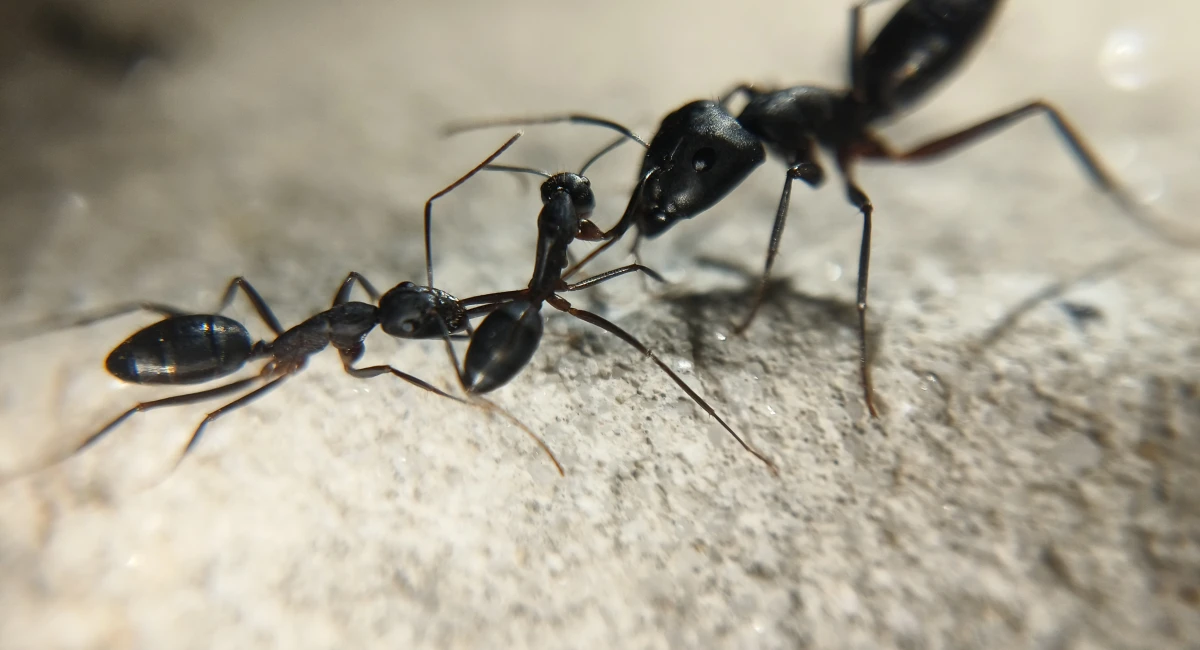
1. Ants and Carpenter Ants: Warming Up Below the Surface
As outdoor temperatures slowly climb, ant colonies start to become more active under soil, in stumps, and within wall voids. By the time you see a trail in the kitchen, they’ve already been busy for weeks.
Carpenter ants are a particular concern. They are attracted to damp or water-damaged wood, which often develops over the winter around roofs, decks, and foundations.
In February, focus on:
- Checking for moisture problems: Look for soft, spongy wood around window frames, decks, and sill plates.
- Inspecting areas that stayed damp or icy: Downspouts that pool near the foundation, leaky gutters, or low spots in the yard.
- Addressing indoor leaks: Under sinks, around tubs, or near appliances, anywhere moisture may have weakened wood.
These steps reduce the conditions that attract ants long before you see them indoors.
Ticks: Planning for Yard and Pet Protection
Ticks may not be on your radar when there’s snow on the ground, but in New England, tick activity ramps up quickly once temperatures consistently rise above freezing. If your property backs up to woods, brush, or tall grass, now is the time to think about spring tick control.
In February, homeowners can:
- Plan a yard clean-up for March/April: Removing leaf litter, trimming overgrown brush at the edges of the yard, and clearing stone walls where rodents and wildlife travel.
- Evaluate play and pet areas: Consider how close swing sets, dog runs, or seating areas are to wooded edges or tall grass.
- Talk to your veterinarian about tick preventatives if you haven’t already for the year.
By tackling habitat issues early, you make your outdoor spaces less inviting to both ticks and the wildlife that carry them.
3. Mosquitoes: Eliminating Future Breeding Sites
It’s easy to think of mosquitoes as a June problem, but their breeding sites are often created much earlier. As snow begins to melt and late-winter storms roll in, standing water can collect around New England homes.
February is a good time to:
- Walk the perimeter of your home on a thawed day and note where water tends to collect, low spots in the yard, sagging tarps, old toys or planters.
- Plan drainage improvements: Extending downspouts, adding splash blocks, or regrading trouble spots when the ground thaws.
- Check gutters and flat roof sections for debris buildup that could hold water once snow melts.
By identifying potential standing-water issues now, you can move quickly in early spring to reduce mosquito breeding around your property.
4. Termites and Other Wood-Destroying Insects: Watching for Subtle Clues
Subterranean termites and other wood-destroying insects become more active as soil temperatures rise. Swarmers (the winged termites that indicate a mature colony) often appear in early to mid-spring.
In February, you can:
- Review areas where winter moisture has been a problem: Basements with damp corners, crawl spaces with condensation, or sill plates that stayed wet.
- Look for early warning signs indoors:
- Bubbling or peeling paint near baseboards.
- Discolored or soft drywall near the floor.
- Areas of wood that sound hollow when tapped.
- Plan for a spring inspection if your home has never been checked for termites or you’ve noticed unexplained moisture issues.
Catching vulnerabilities now allows a professional to investigate before damage becomes extensive.
Using February to Fix What Winter Revealed
Winter is hard on New England homes, and by February you often have a clear picture of how your house handled the season. Before spring pests take advantage, use this time to make targeted improvements.
Consider focusing on:
-
Moisture and drainage fixes
-
Repair or clear clogged gutters and downspouts.
-
Address ice dams or roof leaks you noticed earlier in the winter.
-
Plan grading or drainage changes around the foundation if water regularly pools there.
-
-
Outdoor clutter and yard debris
-
Note any wood piles, unused lumber, or yard waste you’ll want to move away from the house once the ground softens.
-
Identify overgrown shrubs or branches that touch the siding or roof and should be trimmed back.
-
-
Storage and organization
-
Think about reorganizing garages, sheds, and basements so boxes and items don’t sit directly on the floor or tightly against walls, this makes it easier to spot early pest activity in spring.
-
These are not just “nice to have” tasks; they directly impact how attractive your property will look to pests as temperatures rise.
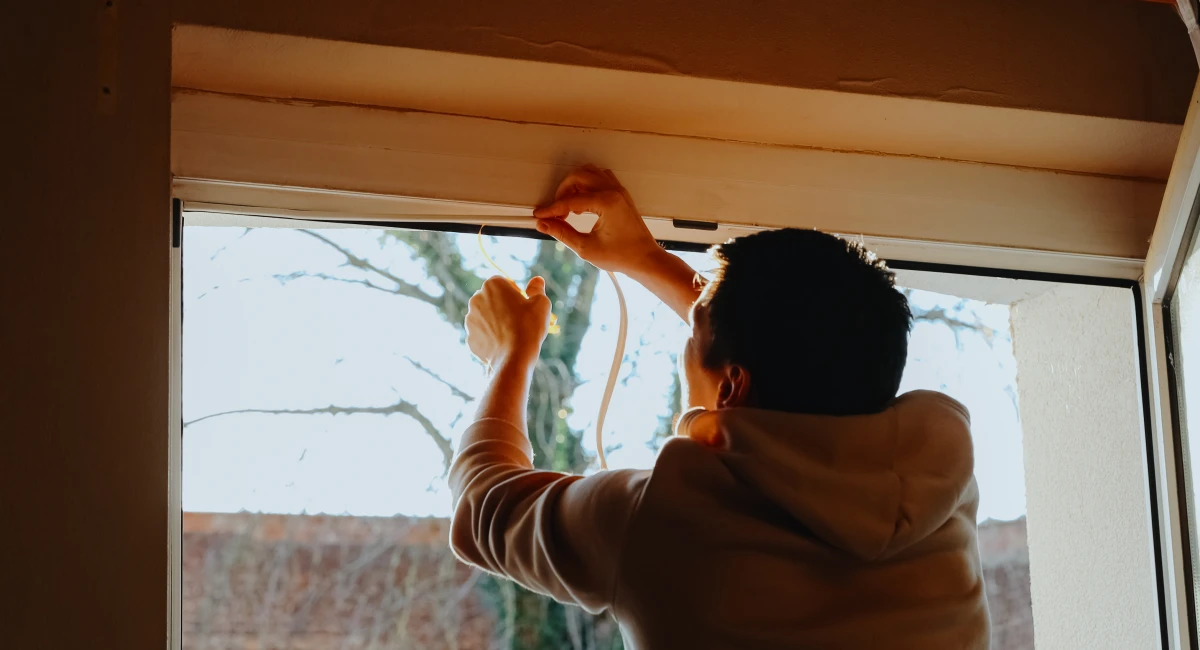
A February Pest-Prep Checklist for New England Homeowners
Here’s a simple way to put February to work for you:
-
Walk your property on a milder day
-
Note low-lying, wet, or icy areas around the foundation.
-
Identify clutter, wood piles, or brush that will need spring clean-up.
-
-
Document winter trouble spots indoors
-
Any leaks, damp corners, condensation, or rooms that felt unusually drafty or cold.
-
Areas where you saw insects in late fall or early winter.
-
-
Make a spring “fix list”
-
Drainage and gutter work.
-
Trimming vegetation away from the house.
-
Removing or relocating debris and stored items.
-
-
Plan professional services early
-
Schedule a spring inspection or home protection plan review before calendars fill up.
-
Ask about targeted services for ticks, mosquitoes, and wood-destroying insects specific to your property and location.
-
A little planning now can significantly reduce surprises when spring pests become active.
Why Professional Planning in February Pays Off
By the time ants are in the kitchen or mosquitoes are buzzing at every cookout, your options are more limited and often more urgent. February gives you a window to think strategically, address structural and yard issues, and put a plan in place before pest activity peaks.
At JP Pest Services, we understand how New England’s seasons affect homes from New Hampshire and Vermont to Massachusetts, Maine, and Rhode Island. If you want spring to be about enjoying your yard, not reacting to pest problems, February is the time to start planning.
Reach out to schedule a pre-spring inspection, review your home’s vulnerabilities, or discuss a seasonal service plan. A little preparation now can keep your New England home more comfortable and better protected in the months ahead.
Review your home’s vulnerabilities, or discuss a seasonal service plan with a member of our team. A little preparation now can keep your home more comfortable and better protected in the months ahead.
Book Your Free Pest Inspection Today
Our local technicians will assess your property and recommend tailored solutions. Fast, friendly, and completely obligation-free.
- Safe, targeted treatments
- Local experts, fast response
- Trusted, trained technicians