© 2026 Rentokil Initial plc © JP Pest Services. All Rights Reserved.
Updated on: July 21st, 2026
Quick Overview
- Termites cause $ billions in structural damage annually and can live undetected for years
- In nature, termites are valuable recyclers that break down dead wood and aerate soil
- Swarming season occurs in late winter or spring, often following warm, rainy days
- Signs of infestation include mud tubes, peeling paint, discarded wings, and hollow-sounding wood
- Professional treatment using bait stations is necessary to eliminate hidden colonies effectively
When termites swarm, they are on the move. Which spells trouble.
Termites don’t bite, sting or contaminate food. But they are devious. They can live undetected in homes for years. Often, New England homeowners only notice they have an infestation when their home has structural damage. At best, that can be costly. At worst, it can be irreparable.
Termites cause billions of dollars in structural damage every year. Homeowners shell out a total average of $2Bn to get rid of termites and fix the damage—if it’s possible.
Read on to find out how termites help the ecosystem; how they threaten wooden homes; what happens when termites swarm; what the signs are that you have termites; plus what you can do about them.
A Time and Place for Termites in the Ecosystem
While termites cause structural damage and repair costs to our homes, they are invaluable to our ecosystem.
Termites are hardworking recyclers. They break down rotting or dead wood from fallen logs, branches, and trees into new soil that supports faster forest regrowth. Their natural tunneling behavior actually aerates the soil, improving its overall quality.
So, what’s the problem?
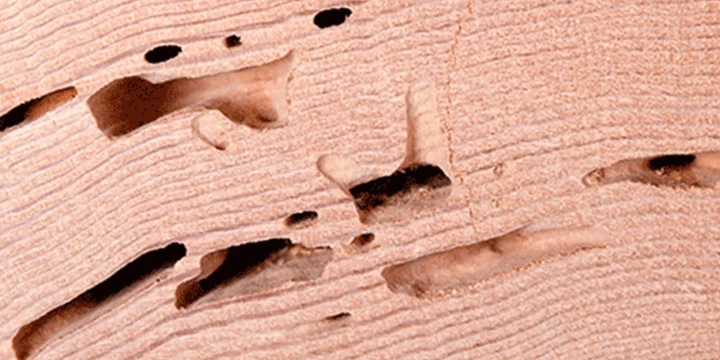
Why Your Wooden Home Foundation is at Risk
To a termite, any wood is good. So to them, your home’s wooden frame and structure is no different than a tree in the forest.
Okay, so we’ve established that termites on a rotting log are “good” and termites along your home’s foundation are “bad.”
If only it was that simple.
What blurs the line between friend and foe is swarming season.
What is “Swarming Season?”
Swarming season is when termites are on the move, eager to build new colonies.
If you see a termite swarm outside your home, you may worry about whether your home is safe.
If you see a termite swarm inside your home: don’t panic. Think of it as termites tipping you off to their presence, giving you the perfect opportunity to contact your pest management professional.
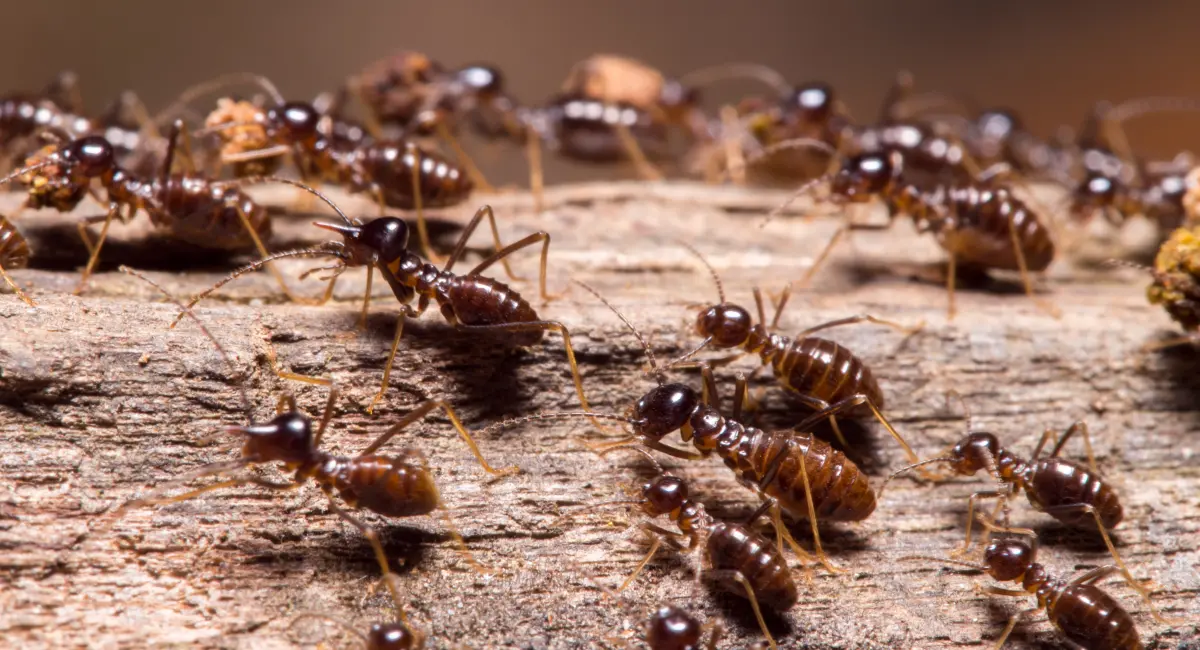
Why do Termites Swarm?
A termite swarm happens when the colony reaches capacity and it needs to build a new one. Swarming termites, known as “alates”, swarm into the air in pursuit of a mate. Alates have one purpose: reproduction. In fact, they don’t even eat wood.
After launching from their swarm tube, alates fly for a few seconds; but really it’s more of a free fall. Once they land, their wings break and they pair off with their mate. Chances of survival are really slim for alates, especially if they swarmed inside a structure. Termites need soil: that’s where they get their subterranean name from. Without it, they die from dehydration. Even alates that swarm outside face a very small survival rate.
When is Swarming Season?
Typically, termites swarm in the late winter and early spring, most often on warm days after rain. Whether indoors or outside, termite swarms generally last between 30 to 40 minutes. As termites are attracted to light sources, seeing swarms around glass doors or windows is not uncommon.
A telltale sign that you’ve just missed a termite swarm firsthand is the presence of discarded wings. As alates break their wings off when they land, if you see wings scattered along sills or doorways it’s a signal that termites have recently swarmed.
How to Tell if Your House is Safe from Termites
The bad news: If you see a termite swarm—or signs of one— inside your home, then you do have a termite infestation and it may have been there for years.
The good news: As termites have a slim survival rate without soil, so it’s unlikely they’ll grow new colonies elsewhere in your home.
Plus, if you saw a swarm outside your home, and it’s next to a wooded area, then your home is probably unaffected by this particular colony as termites don’t travel far.
What About Termites Swarming Right in Your Yard?
Welcome to the gray area of termite swarm safety. Ultimately, it comes down to proximity to your home. Termites do not travel far and, again, most swarmers or alates are unsuccessful in their endeavors to build a new colony, whether inside or outdoors. However, it is possible that a swarm in your yard actually originated inside your house—obviously, this is the worst-case scenario.
Home Interior and Exterior Signs of an Active Infestation
If you suspect you may have termites, it’s vital to look for signs, to decide if you need professional treatment:
Signs of termites outside your home:
- Seeing pencil-sized mud tubes on the ground against your home
These tubes give the termites access to food from their underground nests. Plus, they protect them against cool, dry air as they need moisture and humidity to thrive.
Signs of termites inside your home:
- Peeling paint that looks like water damage
- Pinprick holes in drywalls
- Loose tiles
- Super squeaky floorboards
- Sagging drywalls
- Warped or blistered wooden floorboards
- Hollow sounds when you tap wooden surfaces
- Piles of sawdust (frass)
Frass is essentially termite droppings made from sawdust. Subterranean termites don’t like their droppings building up in their tunnels. So, they push it out through small holes.
Practice Prevention and Protect Your Home from Termites
Prevention is the first line of defence for protection:
- Keep plants, wood and mulch, plus paper or cardboard, away from your home’s foundation
- Only have soil touching the foundations of your home
- Keep soil well drained to avoid excess moisture
- Fix any leaky pipes or faucets
- Keep a minimum of 4 inches between your foundations and any mulch
- Have sidings a minimum of 6 inches above the ground
- Switch off exterior lights at night
Exterior lighting attracts termites. So get into the habit of switching off exterior lighting at night, especially if it’s near windows and doors.
Professional Termite Treatment Services
Got termites? Get JP Pest Solutions. We don’t just eradicate the pests you see, we also identify and eliminate the hidden colony. Plus, we provide prevention solutions to keep pests out of your home for good.
No shop-bought DIY products can eradicate termite colonies. But a professional pest controller can. Termite problems won’t just go away. If you suspect you have termites, act today. The longer you wait, the bigger the problem and the more wood they’ll eat.
At JP Pest Services, we eliminate termites with Sentricon. This has bait stations containing a cellulose-based bait matrix, which is found by the termite workers source and delivered to the colony’s queen.
Only trained and licensed pest management professionals can use Sentricon. We trust the brand for its safe application. Our team puts a premium on safety and we trust the Sentricon brand as their bait stations prevent exposure to humans, animals and the environment.
Home Quarterly Program: Termites are one of 50 pests that we regularly check for in this Program. So customers currently enrolled already enjoy the peace of mind of having JP Pest Services regularly check their homes for any evidence of termites.
If you’re seeing swarms or other signs of termites on your property, don’t hesitate to get in touch with us. With JP Pest Services, you’re in good hands.
Book Your Free Pest Inspection Today
Our local technicians will assess your property and recommend tailored solutions. Fast, friendly, and completely obligation-free.
- Safe, targeted treatments
- Local experts, fast response
- Trusted, trained technicians