© 2026 Rentokil Initial plc © JP Pest Services. All Rights Reserved.
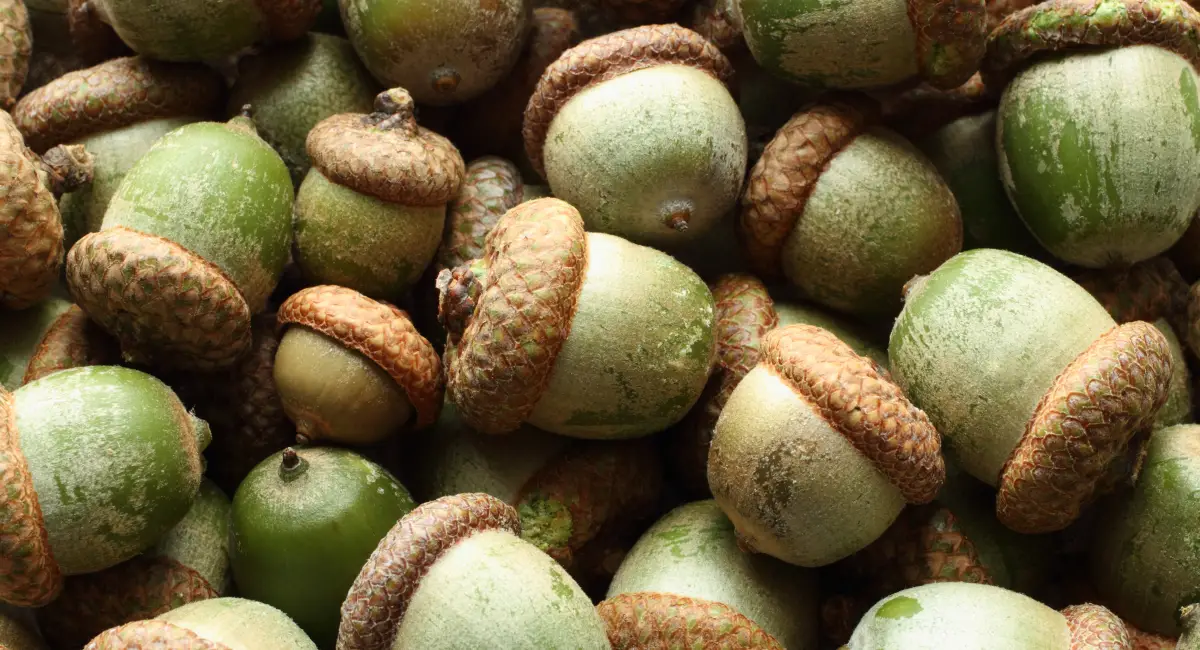
An unusually heavy carpet of acorns can signal more than a productive fall. Acorns are an energy-rich food source for mice and other wildlife, so a large local crop may support greater rodent activity around wooded and suburban properties.
New England is not experiencing a confirmed region-wide mast year in 2026. Throughout New England, mature oaks line rural woods and greenways like Boston’s Emerald Necklace. Even a modest local acorn crop and thick fall leaf litter offer enough food and cover to draw mice toward nearby foundations as foliage drops.
For homeowners, the key question is not whether this qualifies as a mast year. It’s whether food, shelter, and accessible openings are bringing mice closer to the house. October is a good time to assess these conditions to keep your home protected from infestation as the weather changes.
Why Acorn Crops Vary From One Fall to the Next
An oak tree can produce a heavy acorn crop one autumn and very little the next. These changes reflect differences in species, tree health, location, and growing conditions. Occasionally, trees across a wide area produce unusually large crops together—a pattern known as a mast year.
New England’s forests have benefited from winter and spring moisture and timely summer rain in 2026. Yankee’s fall foliage forecast describes healthy canopies and relatively heavy red oak acorn crops in some areas, rather than a widespread mast year. Red oak acorns take two growing seasons to mature, so their abundance cannot be attributed to this summer’s rainfall alone.
Even without a mast year, productive oaks can concentrate wildlife feeding near homes. Fallen leaves also provide cover around foundations, garages, and sheds. Neither guarantees an indoor mouse problem, but both make checking nearby entry points a useful part of November maintenance.
How Acorns Can Affect Local Mouse Activity
Acorns provide fats and carbohydrates that help sustain mice as conditions change. A 2026 review of research from Maine and New York found that greater red oak acorn production was associated with higher white-footed mouse numbers the following summer. However, this delayed relationship does not mean every property with abundant acorns will experience an infestation.
Indoor risk also depends on nearby shelter, other food sources, weather, and accessible entry points. Homes near woods or mature oaks may be especially exposed, while bird feeders, compost, pet food, and unsecured trash can draw mice closer.
As temperatures fall, mice may shelter beneath decks, in woodpiles, or behind dense vegetation before entering through small gaps in the exterior. Indoors, steady warmth, food, and nesting materials can support activity throughout winter.
Why October Is an Important Time for Prevention
Autumn weather lore says a heavy acorn drop signals a harsh winter ahead. That is folklore rather than a reliable forecast, but it offers a timely reminder to look closely at your New England home before colder weather settles in.
October’s cooler nights make seasonal maintenance more pressing. Acorns and fallen leaves may be gathering beside the same foundation joints, door thresholds, and utility openings that need attention before the heating season. Checking these areas connects what is happening in the yard with potential weaknesses in the building.
According to the Centers for Disease Control and Prevention, a mouse can squeeze through an opening just one-quarter inch wide—roughly the diameter of a pencil. In typical New England architecture, these thermal breaches frequently occur at key structural junctions:
- Sill plates: Gaps where wooden framing sits atop concrete or fieldstone foundations.
- Bulkhead doors: Worn seals on basement hatchways and ground-level doors.
- Utility penetrations: Unsealed openings around fuel oil lines, AC conduits, and outdoor spigots.
- Garage door corners: Deteriorated bottom sweeps and worn weatherstripping.
The goal is not to make the home airtight. It is to remove practical entry routes without blocking necessary ventilation or drainage.

Conditions That May Draw Mice Closer to the House
While heavy acorn drops create a natural seasonal feast, surrounding yard conditions dictate whether mice linger near your foundation or begin testing your home for entry.
Key attractants around the property include:
- Acorns, leaves, and debris beside the foundation
- Firewood stored against the house or garage
- Dense shrubs and climbing plants touching the exterior
- Birdseed, grass seed, or pet food in weak containers
- Accessible compost or unsecured trash
- Clutter in garages, sheds, basements, and attics
Reducing these conditions gives mice fewer reasons to remain near the building. Removing every acorn from a wooded property may not be practical. Instead, focus on heavy build-up beside the foundation, beneath decks, around garage doors, and near possible entry points.
Signs Mice May Already Be Inside
Mice are mostly nocturnal and often most active when a home is quiet. Homeowners usually discover physical evidence of activity long before catching sight of a live rodent.
Possible signs include:
- Small, dark droppings in cupboards, garages, or storage areas
- Gnawed food packaging, wood, plastic, or other materials
- Shredded paper, fabric, or insulation used for nesting
- Scratching or scurrying sounds after dark
- Smudges along walls and other frequently traveled edges
- A persistent musky odor in enclosed spaces
One unexplained sound does not necessarily confirm an infestation. Repeated or fresh evidence, however, warrants closer attention. Addressing activity promptly can prevent mice from becoming established in inaccessible areas of the home.

Practical Fall Rodent Prevention
Effective rodent prevention combines property maintenance, food management, and exclusion. This fall, homeowners should focus on the following priorities:
- Clear heavy acorn buildup, leaves, and debris from the foundation.
- Move firewood away from exterior walls where practical.
- Trim plants that touch the home or conceal low-level openings.
- Store birdseed, pet food, and grass seed in containers with tight lids.
- Inspect utility lines, doors, vents, siding, and foundation joints.
- Repair damaged screens, seals, door sweeps, and exterior materials.
Use repair materials suited to the location, such as Flexi Armour™ exclusion products, and do not block vents or drainage points. If mice are already inside, sealing every visible opening can make the problem harder to manage. Rodents may become trapped in hidden spaces or move to another part of the home.
A professional inspection can help identify how mice are entering, where they may be nesting, and which repairs are appropriate. JP Pest Services’ residential rodent control includes property inspections and plans based on the home’s condition, surroundings, and seasonal pest pressure.
Acorns Are a Signal, Not a Prediction
A locally heavy acorn crop does not mean mice will enter every nearby home. It’s the combination of food, shelter, weather, and access to building materials that makes all the difference.
For New England homeowners, acorns collecting in the yard can serve as a reminder to inspect the home before winter. Reducing attractants, repairing entry points, and responding to fresh signs can make it harder for mice to settle indoors.
If you are finding evidence of mice or are unsure how they could be entering, JP Pest Services can assess the property and recommend a suitable approach. Early action can prevent seasonal activity from developing into an established indoor infestation
Not sure whether mice have found a way into your home? JP Pest Services can inspect your property, identify signs of activity, and recommend a rodent control plan based on your home’s specific risks.
Book Your Free Pest Inspection Today
Our local technicians will assess your property and recommend tailored solutions. Fast, friendly, and completely obligation-free.
- Safe, targeted treatments
- Local experts, fast response
- Trusted, trained technicians