© 2026 Rentokil Initial plc © JP Pest Services. All Rights Reserved.
Cockroaches
What are Cockroaches?
Cockroaches are resilient urban pests, with a rapid reproductive cycle that allows intrusions to grow quickly once established. In New England, they move unseen through hidden pathways along utility chases, plumbing lines, and wall voids to access food and water sources in homes and buildings. Their soft bodies and ability to compress their exoskeletons allow them to squeeze through gaps that most other pests cannot, making them particularly difficult to contain.
Understanding cockroach behavior, species differences, and life cycles helps with early detection. Once established indoors, cockroach populations present sanitation and hygiene challenges that can affect both residential and commercial properties across Massachusetts, Maine, New Hampshire, Rhode Island, and Vermont.
Types of Cockroaches
Thousands of cockroach types exist worldwide, but only a handful are common in Massachusetts, New Hampshire, Rhode Island, and Vermont. The main varieties in the region are German, American, Oriental, and Brown-banded cockroaches. Each species has slightly different habits, habitats, and characteristics.
Light brown with two black stripes, often found in kitchens and bathrooms.
American Cockroach
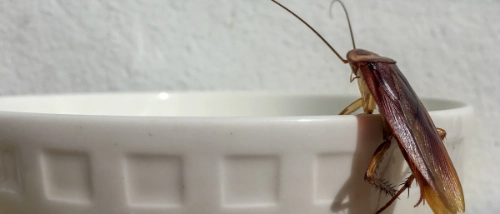
Large, reddish-brown, and more common in basements or utility spaces.
Oriental Cockroaches
Dark brown or black; they thrive in damp, cooler environments like drains and crawl spaces.
Brown-Banded Cockroach
Smaller, with light-colored bands across the wings, preferring drier, warmer places such as living rooms or offices.
Seeing Cockroaches?
Call now to book your free inspection.
How Cockroaches Live And Behave
All cockroaches share common traits: flat, oval-shaped bodies, long antennae, and spiny legs that allow them to move quickly across floors and walls. Adults typically measure between half an inch and two inches long, depending on species, and range from light to dark brown, often with markings or stripes.
They are primarily nocturnal, emerging at night to feed and returning to hiding spots during the day. Seeing a cockroach during daylight hours often indicates a larger population problem, as established colonies may force individuals to forage at unusual times. They are social insects that prefer to congregate in groups, often leaving chemical trails for other cockroaches to follow, leading to food and water sources.
Cockroach Life Cycle
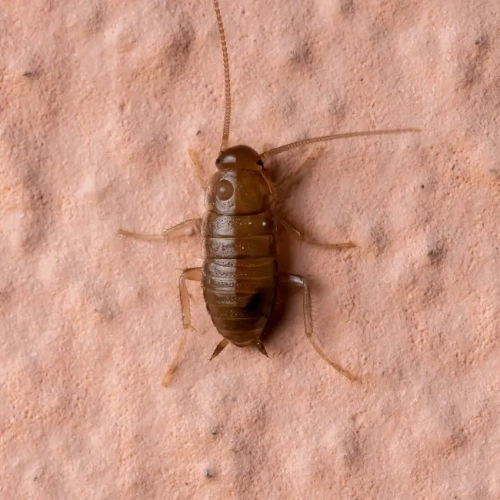
The cockroach life cycle has three main stages: egg, nymph, and adult. Female cockroaches produce egg cases called oothecae, which may contain several dozen eggs, depending on the species. Some females carry these cases until the eggs are ready to hatch; others deposit them in secure, hidden locations.
When eggs hatch, nymphs emerge as smaller, paler versions of adults. They undergo multiple molts (typically five to 13, depending on the species), shedding their outer shells as they grow. These shed skins are often among the first visible signs of an infestation. Under favourable conditions with adequate food, water, and warmth, nymphs can reach adulthood in as little as six to 12 weeks.
Adult cockroaches can live between six months and one year on average, though some may survive longer with plentiful food, water, and shelter. During their lifetime, a single female can produce hundreds of nymphs. This rapid reproduction rate means that small infestations can grow dramatically in a short period. Because cockroaches can survive on minimal food and remain hidden for extended periods, property owners often underestimate population sizes. A few visible cockroaches may represent dozens or hundreds in wall voids and hidden spaces.
What Cockroaches Eat?
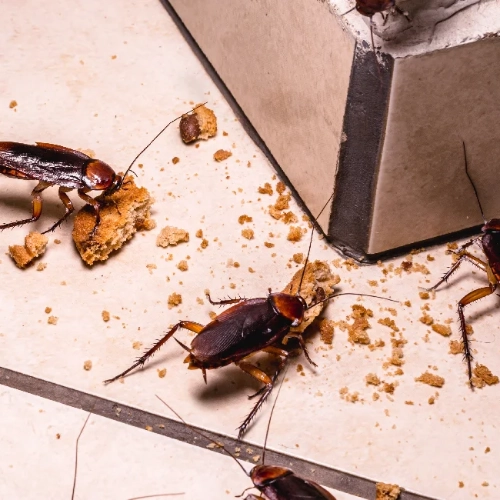
Cockroaches are highly resourceful eaters and will consume almost any organic material available. They are naturally drawn to starches, sugars, and fatty or greasy foods. In homes, they are attracted to pet food, crumbs on floors, unwashed dishes, and garbage.
When preferred foods are scarce, cockroaches can survive on paper products, fabric, leather, glue, soap, hair, and adhesives used in cardboard and wallpaper. This ability to live on a wide variety of organic material makes it nearly impossible to starve them out. Even tiny amounts of accessible food, like a few crumbs, a pet food bowl left out overnight, or condensation on pipes, are enough to sustain a colony. They can actually go without food for up to a month, though they require water more frequently and will typically die within a week without it.
Where Cockroaches Live Indoors
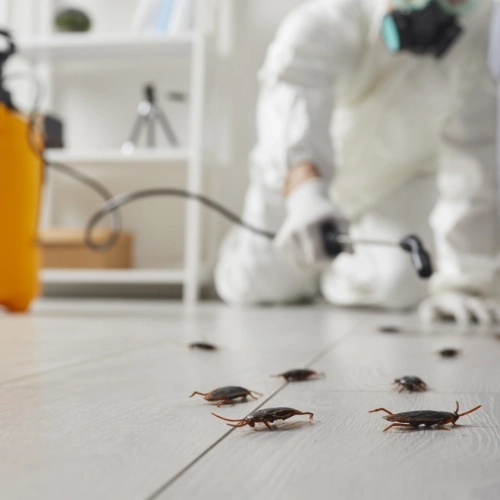
Cockroaches establish themselves in tight, dark corners that offer the essential combination of food, water, and shelter. They typically hide in common areas such as cracks, wall voids, behind appliances, and in utility chases. In New England, older housing stock (often over a century old) exacerbates the problem, as aging infrastructure, foundation gaps, and deteriorating seals around pipes create abundant entry points and hiding spots.
Kitchens and bathrooms are primary infestation sites due to their easy access to water and food sources. In these areas, roaches often hide behind appliances, under sinks, in cabinet voids, and in plumbing chases. Damp basements, with moisture from condensation and poor drainage, are also highly attractive.
Roaches travel extensively through gaps around pipes, electrical conduits, and HVAC ducts. This movement, particularly in multi-family buildings, allows them to spread rapidly between units, making containment especially challenging. While warm areas behind refrigerators, stoves, and water heaters provide preferred shelter, some species are also found in drier, elevated spaces like upper kitchen cabinets, closets, and attics.
Seasonal Cockroach Activity in New England
While cockroaches can thrive indoors year-round, their behavior and movement patterns shift with New England's distinct seasons. Temperature fluctuations, moisture levels, and changing weather conditions influence when and where cockroaches are most likely to enter buildings. These seasonal patterns can help property owners anticipate potential infestation risks throughout the year:
- Fall and Winter
As outdoor temperatures drop, cockroaches seek warmth indoors. September through November sees increased indoor activity as pests move into buildings. Winter heating systems create warm microclimates that support year-round reproduction. - Spring
Damp conditions from snowmelt and spring rains drive moisture-loving species (particularly Oriental cockroaches) into basements and lower levels. - Summer
While outdoor populations may increase, indoor infestations often remain stable due to consistent heating and air conditioning. - Year-Round Concern
In heated buildings, cockroaches can reproduce continuously, leading to year-round infestations rather than seasonal ones.
Signs Of A Cockroach Infestation
Noticing a single cockroach as you cook, clean, or work can be enough reason to investigate further. Any visible sightings can suggest a much larger population. You probably have a cockroach infestation if you notice any of the following:
- Droppings resembling coffee grounds or black pepper
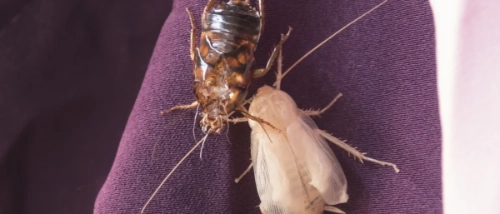
- Shed skins or egg cases in hidden corners
- Musty odor that becomes stronger as the infestations grow
- Smear marks near water sources, created by cockroaches moving over wet surfaces
- Live cockroaches active during daylight, suggesting overcrowding in hiding spots
- Damage to food packaging or stored items
These can all be early warning signs of an infestation. Taking action early can help reduce the risk of populations spreading throughout the property.
Do Cockroaches Bite Humans?
While cockroach bites are technically possible, they are uncommon and usually occur only when food is severely limited. When bites do occur, they may leave small red marks or cause mild irritation, similar to mosquito bites.
The main health concern with cockroaches is contamination, not bites. They travel through garbage, drains, and sewers, then crawl across countertops, dishes, and food-preparation surfaces. This movement transfers bacteria and pathogens that can contaminate food and surfaces.
Additionally, cockroach droppings, saliva, and shed skins contain allergens that can trigger asthma attacks and allergic reactions, particularly in children, the elderly, and individuals with respiratory conditions. In multi-unit buildings, cockroach allergens can spread between apartments through shared ventilation systems.
When To Seek Professional Cockroach Control
Effective cockroach control demands in-depth knowledge of pest biology, structural vulnerabilities, and proven treatment protocols. JP Pest Services has spent decades serving New England communities across Massachusetts, New Hampshire, Rhode Island, and Vermont, developing expertise tailored to the region's unique buildings and climate. This regional insight, along with our integrated pest management (IPM) approach, provides homeowners with a holistic treatment plan that eradicates both visible cockroaches and hidden breeding populations, offering long-term protection.
Frequently Asked Questions
Cockroaches are dangerous because they can spread bacteria, pathogens, and allergens. As they crawl through unsanitary areas and onto food or surfaces, they may increase the risk of contamination. Their droppings and shed skins can also worsen asthma and allergies.
Some cockroach species have wings and can make short flights, though they usually prefer to run. Whether cockroaches can fly depends on the species, but in most cases, their wings are used for gliding or limited flight rather than sustained flight.
Common cockroach types in New England include German, American, Oriental, and brown-banded cockroaches. Each one favors different conditions, some thriving in damp areas like basements and others hiding in dry spaces like offices or living rooms. Identifying the correct species helps determine the right control method.
Yes, particularly in multi-family buildings. Cockroaches move through shared walls, utility chases, and plumbing lines connecting units. In older New England apartment buildings, poor sealing between units makes this movement easier. An infestation in one unit can quickly spread to adjacent units if not addressed.
Any confirmed cockroach sighting indoors warrants attention. However, infestations are considered serious when multiple cockroaches are seen, droppings or shed skins are found, or sightings occur during daylight hours.