© 2026 Rentokil Initial plc © JP Pest Services. All Rights Reserved.
It's a perfect July evening in the Lakes Region. The grill is going, the kids are playing on the grass, and the dog is sprawled in the shade. It feels like the safest place in the world. For ticks and mosquitoes, it's also the busiest.
This holds especially true this summer. Due to a slow, delayed warm-up across New England, the season has been compressed, causing mosquito and tick populations to peak right now—in the heart of July, exactly when families are spending the most time outdoors.
Their hidden habitats are the damp edges near woods, unrefreshed birdbaths, and ornamental grasses that allow them to breed and expand. By identifying these areas, you can eliminate them safely, keeping your yard protected for your family and pets.
The Pest You'll Never See Coming
The most serious threat in a New England yard isn't the tick you can flick off your sleeve. It's the one you haven’t noticed, nestled behind your knee, under your armpit, or around your waistline.
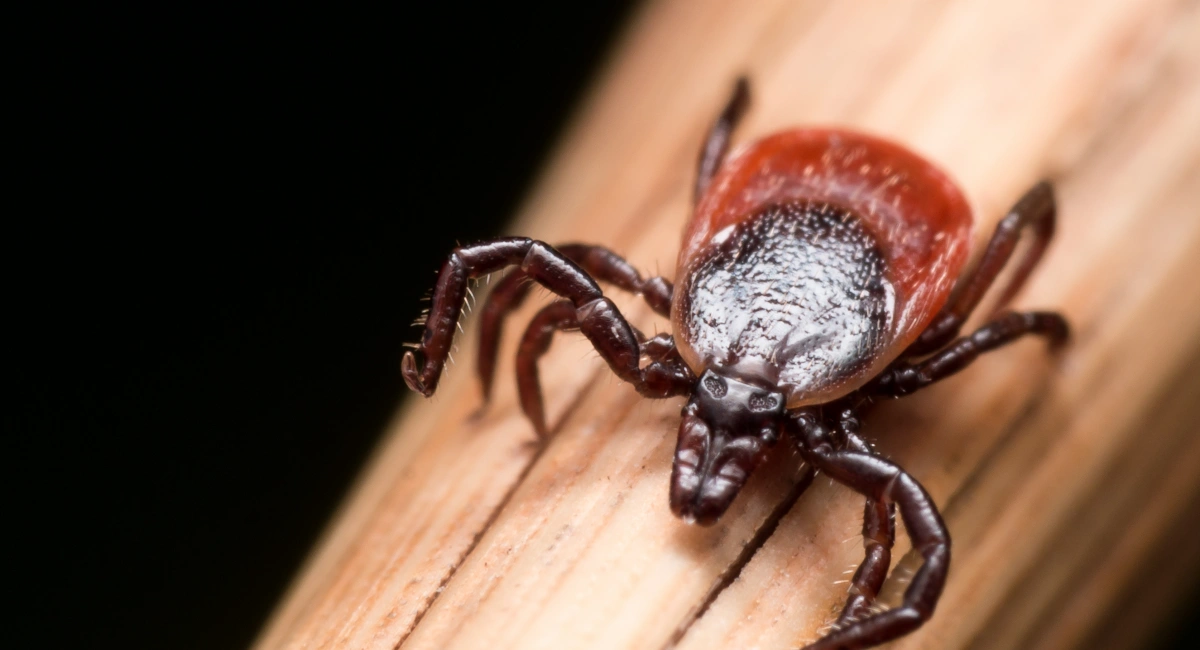
The blacklegged (or deer) tick nymph is the real concern. They are roughly the size of a pinhead (1 to 2 millimeters across), and a major vector of Lyme disease: New Hampshire consistently ranks among the top states nationwide for cases per capita. Most infections are picked up from late May through mid-July, precisely because the nymphs are so tiny. So this month sits squarely in the danger zone.
Ticks don't fly or leap. They climb onto low vegetation and leaf litter, then wait—sometimes for days—until a person, pet, or passing deer brushes against them. That single habit turns every patch of tall grass and every unraked leaf pile into a waiting room for ticks, which is why brushy yards can be such a problem. And because the nymphs are so tiny, you almost never catch them in the act.
Mapping the Hidden Habitats in Your Yard
Think of your property as a map with a few clearly marked hot spots. Once you can see them, the rest of the plan falls into place.
According to the U.S. Centers for Disease Control and Prevention (CDC), homeowners often find ticks in their own neighborhoods—and not just deep in the forest—because of the conditions in their yards. Their fix is a "Tick-Safe Zone," and it comes down to making your living areas less inviting to the animals that carry ticks.
Their core guidance is straightforward:
- Clear the leaf piles, especially along fences and the wooded edge, where dampness lingers
- Move play equipment into an open, sunny space, away from shaded yard borders
- Relocate bird feeders, which attract the mice and deer that drop ticks into your grass
That bird feeder could be the low-key troublemaker. While it might be a gift to local wildlife, it also attracts the very animals that carry ticks onto your lawn. The wildlife arrives, and the ticks get off at your stop.
How Mosquitoes Breed in Plain Sight
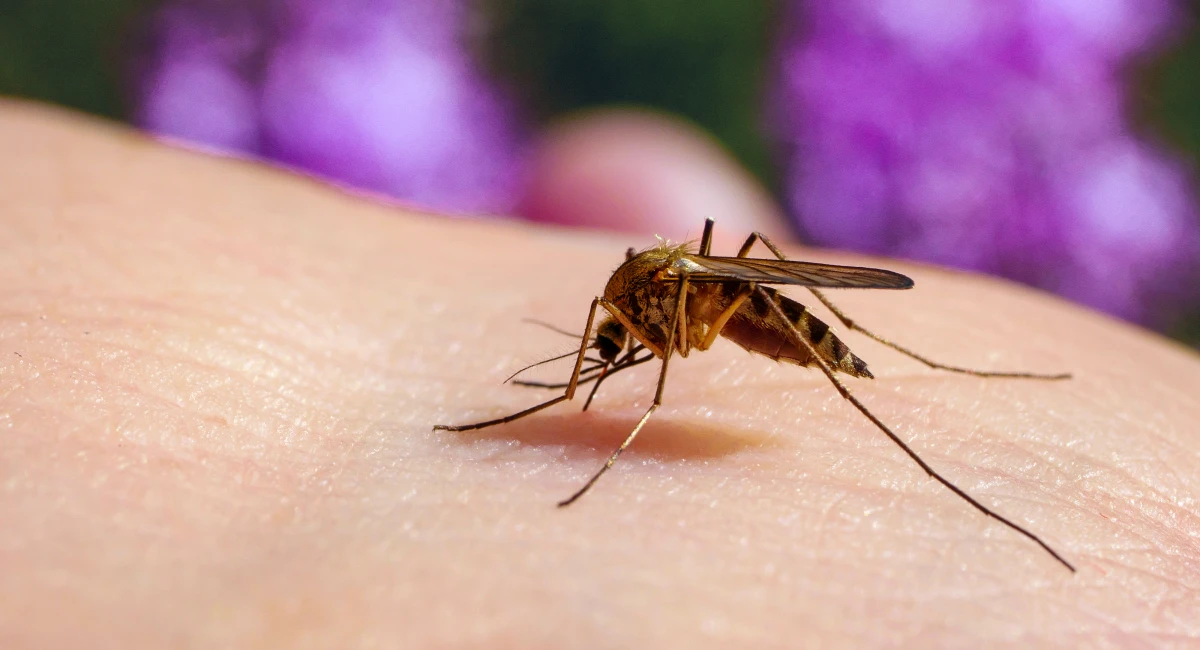
While ticks need brush and wildlife to thrive, mosquitoes simply need a bit of standing water. This is why EPA guidance advises homeowners to eliminate pooling water—even tiny amounts—and to empty and refresh bird baths, fountains, wading pools, and potted plant trays at least once a week to reduce populations.
Their breeding sites are often hiding in plain sight:
- A birdbath left with festering water
- Saucers beneath potted plants
- Gutters clogged enough to hold a shallow pool
- Buckets, tarps, and forgotten toys collecting rainwater
- Dips and hollows in the yard where rainwater pools and is slow to drain
A mosquito can go from egg to biting adult in about a teaspoon of water. One overlooked flowerpot saucer can fuel a steady stream of mosquitoes for weeks. Those tall ornamental grasses don't help either—they give grown mosquitoes a cool, shaded place to rest through the hottest part of the day. Drain the water and trim the cover to stop a large share of the population before it ever bites.
Kid and Pet-Friendly Yard Clearance
Finding pest habitats is the easy part. It’s the treatment part that worries homeowners, and how best to eliminate ticks and mosquitoes in a way that is safe for children and pets.
The answer is to focus on habitat eradication rather than chemical treatment. Clearing brush, draining water, and building buffer zones remove the problem at its root, so you depend far less on broad sprays in the first place. It's a calmer, more deliberate approach than reaching for a hardware-store fogger and hoping for the best.
For mosquitoes that remain near your patio or pool, targeted protection beats blanket coverage. JP Pest Services' professionally installed mosquito repellent system is a good example: instead of treating every square foot, it forms a discreet, on-demand barrier around the spaces your family actually uses. It's odorless, flame-free, and switched on with a single button—no citronella smoke, no constant spraying. Combined with the responsible, family-minded approach to residential pest control, you get protection that respects everyone in the household.
Your Afternoon Walk-Through
You don't need a major landscaping project to significantly lower your yard's pest risk this month. A single, focused walk around the property to check for possible tick and mosquito activity does most of the heavy lifting:
- Trace the tree line, raking out leaf litter and trimming back brush where the lawn meets the woods
- Tip out the water—birdbaths, saucers, buckets—and make it a weekly habit
- Relocate items that attract pests: shift play sets, feeders, and seating away from shaded, brushy edges
These simple steps directly address the primary pest risks and ensure that just an hour of effort now pays off for the rest of the season.
Make the Most of a Short Summer
New England summers don't last long, and no family wants to waste time every day scanning for pinhead ticks or retreating indoors at dusk.
However, you don't have to let pests dictate how you spend your summer. Managing them doesn't require drastic measures; a few simple, incremental changes make a real difference. By identifying hidden micro-habitats and adding targeted, professional support, you can transform your yard back into the secure, inviting sanctuary your family and pets deserve.
If you'd like another set of eyes on your property, our team is always happy to walk it with you and talk through what we see. No pressure—just experienced guidance to help you enjoy the season without stressing about seasonal pests.
JP Pest Services can assess your yard's tick and mosquito risk and recommend targeted, family-safe outdoor solutions tailored to New England's season.
Book Your Free Pest Inspection Today
Our local technicians will assess your property and recommend tailored solutions. Fast, friendly, and completely obligation-free.
- Safe, targeted treatments
- Local experts, fast response
- Trusted, trained technicians