© 2026 Rentokil Initial plc © JP Pest Services. All Rights Reserved.
In New England, a home's exterior tells a story. Clapboard siding, cedar shingles, fieldstone foundations, and exposed structural timber are not simply aesthetic choices; they reflect centuries of building practice shaped by climate and craft. However, those same materials provide safe, protected nooks and pathways for all sorts of pests to hide and ravage.
In May, rising soil temperatures and spring moisture widen gaps, soften wood, and bring dormant pest activity back to the surface. How your home's materials respond to those conditions determines where the risk lies. You need to understand these risks and know when to act before they take over.
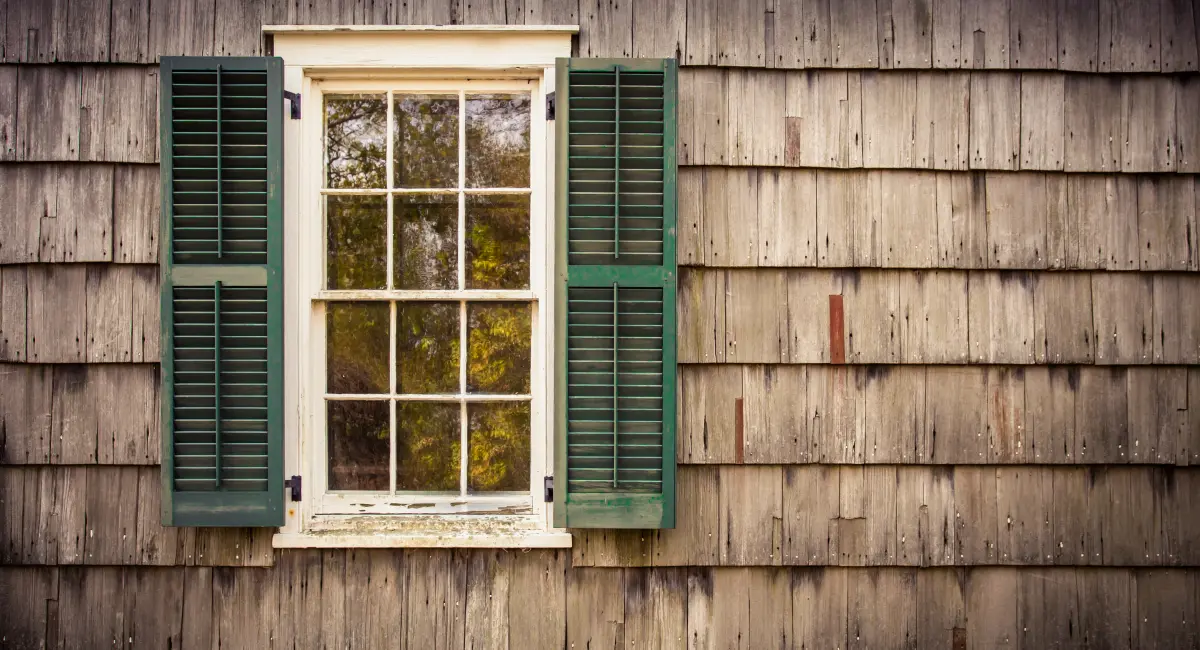
Clapboard: A Classic Exterior With Hidden Voids
Clapboard remains one of the most recognizable features of New England homes. Traditionally made from oak, pine, or cedar, it is valued for its durability, water-shedding properties, and resistance to the region's harsh freeze-thaw cycles. But seasonal expansion and contraction create subtle gaps between boards, behind trim, and around fasteners.
Moisture gets trapped behind siding when the rain and rising humidity hit in May, particularly on shaded sides of the house. As paint begins to peel and wood softens, these voids become nesting sites for carpenter ants and other moisture-seeking insects.
Signs of activity include:
- Fine, sawdust-like debris beneath siding or trim
- Soft or spongy wood around window frames
- Ant activity concentrated along the foundation-to-siding line
Activity behind siding is hard to detect early on, often going unnoticed until it has already spread into the structure.
Cedar Shingle: When Natural Resistance Wears Down
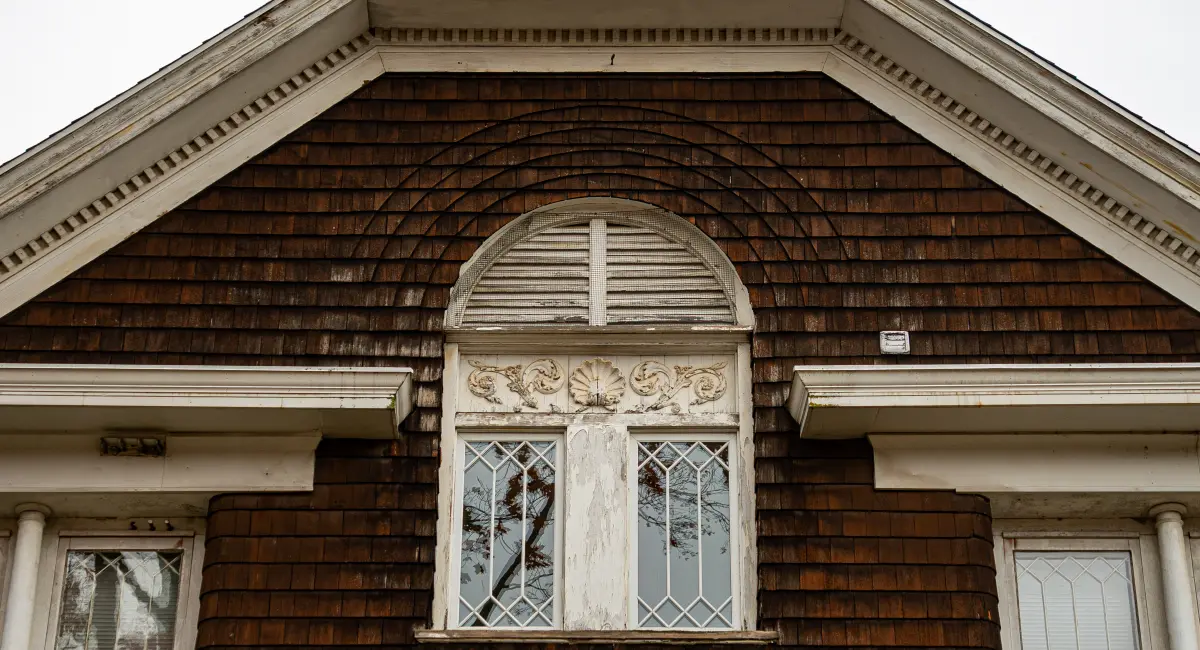
Cedar shingles are often assumed to be pest-resistant, and when new, they largely are. Natural oils and tannins help deter insects and resist decay. But those protective qualities diminish with exposure, and by the time cedar weathers to its familiar gray tone, it may be more vulnerable than it appears.
Shingles that curl, crack, or lift create entry points for both moisture and insects. On north-facing or shaded elevations, moss and lichen can trap moisture against the surface, accelerating breakdown and creating conditions where pests can establish.
Look for:
- Shingles lifting at edges or seams
- Persistent dampness or dark staining on shaded faces
- Increased insect activity in areas that receive limited sun
These changes often indicate that the material is no longer performing as originally intended.
Fieldstone Foundations: Entry Points Hidden in Plain Sight
Fieldstone foundations are a defining feature of older New England homes. But unlike modern poured concrete, they were never designed to be fully sealed systems. Irregular stones, aging mortar, and natural settling all create small gaps and, over time, those gaps become pathways.
In May, saturated soil increases moisture movement through the stone, creating conditions that attract both insects and rodents seeking entry at the lowest level of the structure. The sill plate (where the wooden frame of the house meets the foundation) is a particular area of concern. Regular moisture seepage at this junction can soften wood, making it attractive to carpenter ants and, in some cases, subterranean termites.
Common indicators include:
- Moisture seeping through interior basement walls
- Deteriorating or crumbling mortar joints
- Evidence of rodent activity near sill plates or stored items
Seasonal conditions bring these gradual weaknesses into sharp focus. A professional residential pest control assessment can help identify where your home is most exposed to prevent damage to your property.
Structural Timber: Where Strength Meets Exposure
Post-and-beam construction and large structural timbers are central to many New England homes, from historic capes to converted barns. These materials are built to last, but they interact with moisture differently than modern dimensional lumber, and the highest-risk area is often where wood meets masonry.
While the fieldstone foundation section addresses entry at ground level, the risk within the timber frame itself is distinct. Softened wood fibers are vulnerable to carpenter ants or, in some cases, subterranean termites. May represents a turning point: as soil temperatures rise, wood-destroying insects become more active, and previously undetected issues begin to surface.
Older homes with limited subfloor ventilation are particularly vulnerable at this time of year, as trapped moisture accelerates the conditions that attract these insects.
Watch for:
- Soft or deteriorating wood at the base of structural elements
- Mud tubes along foundation walls
- Winged insects appearing indoors near windows or light sources
These signs often indicate activity that has been developing out of view.
The Most Common Entry Points
Pests rarely enter through large, obvious openings. Instead, they exploit transition points, where materials meet, shift, or degrade over time. In traditional New England construction, these zones include:
- The junction between siding and foundation
- Window and door trim interfaces
- Bulkhead doors and cellar entrances
- Where decks or porches attach to the main structure
- Utility penetrations for pipes, wires, and vents
Each of these areas shares a common characteristic: they involve two or more materials behaving differently under the same seasonal conditions. That differential movement, wood expanding while masonry stays fixed, for example, is what creates the gaps pests exploit.
May is when they are under the most seasonal stress. Moisture, temperature fluctuation, and natural settling all combine to widen gaps and increase permeability. A targeted inspection of these zones, often supported by a seasonal home protection plan, can help identify vulnerabilities before pest activity takes root.
What to Look for This May
Spring doesn't require a full structural assessment, but it does offer a clear opportunity to observe how your home responds to seasonal change. A simple walk around the property can reveal early indicators:
- New gaps, cracks, or shifting in siding and trim
- Areas where soil or mulch is in direct contact with wood
- Signs of moisture accumulation near the foundation
- Localized insect activity rather than widespread presence
- Any evidence of nesting, tunneling, or surface debris
Rather than treating these as isolated concerns, consider them collectively. A pattern of moisture, material degradation, and insect activity in the same area is a stronger signal than any single observation alone.
A Seasonal Reminder for New England Homes
The materials that define New England homes have proven their durability over generations. But they were never designed to be maintenance-free, and they interact with the environment in ways that change over time.
May is when those changes become visible.
By understanding how clapboard, cedar, stone, and timber respond to spring conditions, homeowners can take a more mindful approach to pest prevention—one that focuses on the structure itself, not just the symptoms. If you're seeing signs of activity or want a clearer view of what's happening beneath the surface, a conversation with a local pest professional can help put those observations into context.
If you've spotted something during your spring walkthrough and aren't sure what it means, our team can help you make sense of it. Book a free consultation and get a clearer picture of where your home stands.
Book Your Free Pest Inspection Today
Our local technicians will assess your property and recommend tailored solutions. Fast, friendly, and completely obligation-free.
- Safe, targeted treatments
- Local experts, fast response
- Trusted, trained technicians