© 2026 Rentokil Initial plc © JP Pest Services. All Rights Reserved.
Give Bats an Easy Way Out - Embrace Expert Exclusion
Bat Control in New England
Bats are unwanted guests when they take up residence in New England properties. Scratching or fluttering in the attic, or droppings around baseboards, alert you to their unwelcome presence. What you might not realize is the number of species that could take up residence in your home. There are as many as eight different types of bats in the region, each seeking shelter in warm, dark spaces like attics, barns, and wall voids.
Although most bats typically avoid humans, they can cause serious problems through disease transmission and property damage causing a problem in your property. Many residents don’t realize bats are protected wildlife across the state, so you should never remove them yourself; otherwise, we risk improper management and a fine. Instead, rely on a professional bat pest control team experienced in humane bat exclusion to manage the infestation and provide long-term protection.
Struggling with Bats?
Call now to book your free inspection.
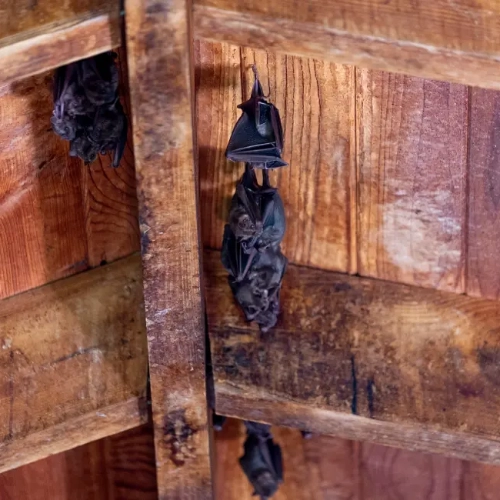
Where Bats May Be Hiding in Your Home
Bats are efficient at breaking and entering into buildings that suit their needs. They make any space their home such as roof spaces of farm or agricultural buildings, home garages, loose siding, even tucking themselves behind shingles and shutters. These areas provide warmth in the summer for breeding, but are cool enough in the winter for hibernation.
Other favored roosting locations include wooden beams and insulation in homes, warehouses, and storage units. Brick and masonry in chimneys of older buildings are equally attractive for roosting and raising young pups.
Many bat species now rely on manmade buildings to roost as natural habitats are lost due to urbanization, agriculture, and development in Massachusetts and New Hampshire. This is why it is not unusual for bats to take up residence indoors.
Telltale signs of bats within your property include oily smudges near entry points and bat droppings (guano) on floors or windowsills. When guano starts to seep through ceilings, leaving dark stains and strong odors, it’s time for a professional inspection.
Attempting to remove bats from these hiding places on your own can lead to unintended consequences. Blocking gaps or disturbing roosts, especially during maternity season, can trap pups inside or cause injury to protected wildlife, which may result in state fines or compulsory remediation.
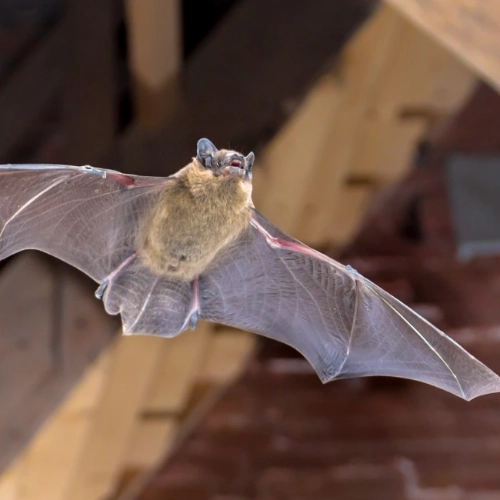
Dangers of Having Bats in Your Home
The greatest danger with bats is disease transmission and property damage. Homes with children or pets need to be aware of the main risks:
- Rabies: While only a small percentage of bats carry rabies, any potential exposure should be taken seriously. Even a minor bite or scratch requires immediate medical attention.
- Histoplasmosis: Bat droppings can grow a fungus that releases spores into the air. When inhaled, these spores cause histoplasmosis, a severe lung infection that can spread through the body if untreated.
- Structural damage: Guano corrodes building materials, stains drywall, and destroys insulation. The odor can also attract insects or other pests.
Bats can also introduce bat bugs, small blood-feeding insects related to bed bugs that quickly spread through homes and commercial buildings.
DIY removal can create additional hazards. Bites or scratches during handling can increase the risk of rabies exposure, and disturbing guano without proper protection can release fungal spores into the air.
Professional bat pest control ensures that bats are removed humanely, and contaminated materials are properly cleaned and replaced to restore healthy indoor conditions. Experts know the risks and have experience ensuring properties are sufficiently sanitized after bats have been evicted.
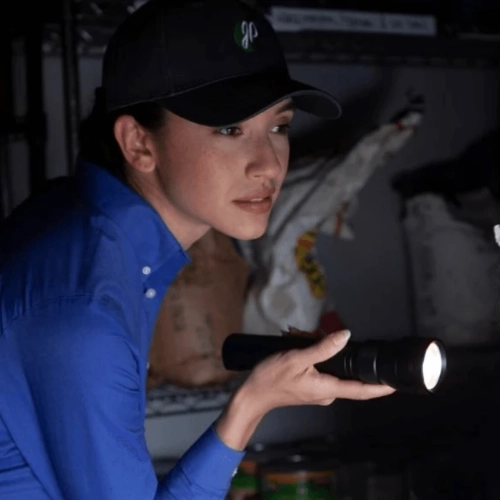
Why Choose JP Pest Services for Bat Removal Services
At JP Pest Services, we specialize in humane bat exclusion and removal. Bats are vital to New England’s ecosystem, and conservation is a central component of our approach. Our technicians use one-way exclusion devices that allow bats to leave the structure but prevent them from re-entering. Once we confirm all bats have left, we permanently seal gaps, vents, and cracks to keep your property secure.
Our process combines environmental responsibility with proven results. Every technician undergoes extensive wildlife training, and our removal work is backed by decades of field experience. From multi-unit housing to heritage homes, we customize our approach to fit your building’s structure, season, and local bat species.
We don’t just remove bats; we restore calm and order to your home.
Our Proven Bat Removal Process
JP Pest takes conservation as seriously as pest control. Effective bat management requires a deep understanding of how each species contributes to New England’s ecosystem and how to remove them safely without causing harm. However, attempting to remove bats on your own can be risky. Bats are protected wildlife, and improper handling can lead to injury, property damage, or accidental exposure to diseases such as rabies. That’s why our team focuses on humane, exclusion-based bat removal services that protect both your property and local bat populations.
Inspection
We begin with a detailed inspection at your property, identifying signs of pest activity, potential nesting areas, and conditions that may attract pests.
Treatment
Our team applies targeted solutions using EPA-registered products, focusing on the areas where pests live and breed to help address the problem at its source.
Prevention & Support
We offer recommendations to minimize future pest issues and provide cleanup and prevention additional services to help protect your home and property.
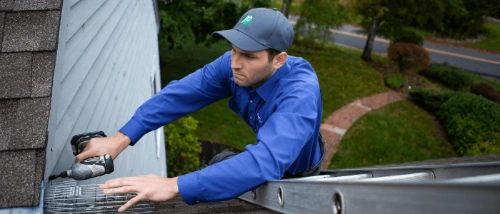
Professional Bat Pest Removal Near You
With over 90 years of regional expertise, our holistic approach strikes a balance between effective removal and long-term prevention.
Attempting DIY bat removal can expose residents to health risks, damage the structure of the home, or even result in fines if protected species are disturbed during the wrong time of year. Many homeowners also unintentionally trap bats inside or create new entry points, making the problem worse.
Our certified professionals provide bat pest removal throughout New Hampshire, Massachusetts, Maine, and Vermont, helping homeowners and businesses maintain compliant and bat-free environments.
See What People Are Saying
Bat Library
Big Brown Bat
Insect-eating bats contribute heavily to a healthy environment and big brown bats are no exception. They help keep populations down among numerous insect pests.
Season: Spring, Autumn, Winter
Size: 13" - 14"
Region: Throughout the U.S.
Little Brown Bat
The little brown myotis is a species of bat that’s especially associated with human encounters. Little brown mytosis roost in the summer, commonly in commercial and residential structures, barns, attics, and outbuildings.
Season: Spring, Summer, Autumn
Size: 3"- 4"
Region: Throughout U.S.
Related Articles on Bat Pest Control
Frequently Asked Questions
The best way to remove bats is through professional bat exclusion, which involves installing one-way doors that allow bats to leave safely while sealing all entry points afterward. Traps or repellents are not effective and may harm bats or violate wildlife laws. Professional exclusion ensures a complete and humane removal.
Bats can transmit rabies through bites or scratches, and their droppings may contain the fungus that causes histoplasmosis, a dangerous lung infection. Guano can also corrode insulation, drywall, and wood, leading to expensive repairs. Professional cleanup is essential to restore air quality and prevent disease.
After removal, the key to prevention is maintenance. Have a professional inspect your roofline, vents, and soffits regularly. Seal any openings larger than half an inch, install vent screens, and maintain exterior lighting around roof peaks. JP Pest Services offers ongoing inspection programs to ensure bats stay out for good.