We Know Portsmouth and Its Pests
Common Pests We Remove In Portsmouth, NH:
Portsmouth is surrounded by tidal estuaries, salt marshes, and the open Atlantic, which creates a coastal microclimate unlike anywhere else in New Hampshire. The combination of high humidity, historic buildings with stone foundations and unfinished basements, and a dense urban core gives pests plenty of places to harbor and breed.
Carpenter Ants
The damp conditions around Portsmouth's older homes and waterfront properties make them prime targets for carpenter ants. Carpenter ants excavate wood to build nests, often in areas softened by moisture. Leaking roofs, poorly ventilated crawl spaces, and wood in contact with soil are common entry points. Left unchecked, colonies can cause significant structural damage.
Cockroaches
Multi-unit buildings are the primary hosts of cockroach infestations. German cockroaches, in particular, thrive in warm, humid kitchens and bathrooms, spreading rapidly between units through shared plumbing and wall voids, and carrying bacteria that can contaminate food and trigger allergic reactions.
Bed Bugs
Portsmouth welcomes a high volume of visitors, which keeps hotels, inns, and short-term rentals busy year-round. However, this also raises the likelihood of bed bugs. They are expert hitchhikers, arriving in luggage and clothing and establishing themselves quickly in mattresses, upholstered furniture, and baseboards. Infestations spread fast and are notoriously difficult to eliminate without professional treatment.
Wildlife
The city's coastal location and green spaces bring wildlife into regular contact with homes and businesses. Seagulls nest on flat commercial rooftops, raccoons exploit gaps in older buildings to access attics and chimneys, and squirrels chew through fascia boards to shelter in roof voids.
Ticks
The wooded trails and coastal greenways around Portsmouth put residents and pets in regular contact with blacklegged (deer) ticks and dog ticks. Tick populations along the Seacoast have been rising steadily, and with them the risk of Lyme disease and other tick-borne illnesses. Activity peaks from spring through autumn but can extend into mild winter stretches.
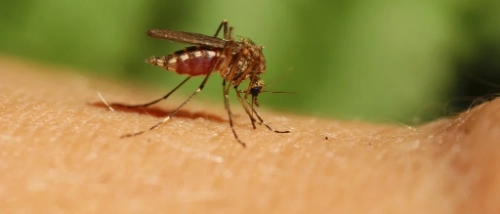
Mosquitoes
Species common to the Seacoast can carry Eastern Equine Encephalitis (EEE) and West Nile Virus, making control more than a matter of comfort. Our seasonal mosquito program begins in late spring with larvicide applications targeting standing water sources, followed by recurring barrier treatments around your yard to suppress adult populations through the summer months.