© 2026 Rentokil Initial plc © JP Pest Services. All Rights Reserved.
With countless tasks to manage in your manufacturing or warehouse facility, the last one on your mind might be invading pests. But left unmanaged, pests like rodents, birds, flies, and other wildlife can cause significant damage to your products, create unsanitary work environments, or lead to regulatory fines.
Industrial Pest Control Solutions
Pests in warehouses and factories can threaten your products, workers, and buildings. Every site has different challenges, so you need a pest plan tailored to your facility. A strong pest control program helps stop problems early and keeps your operation running smoothly.
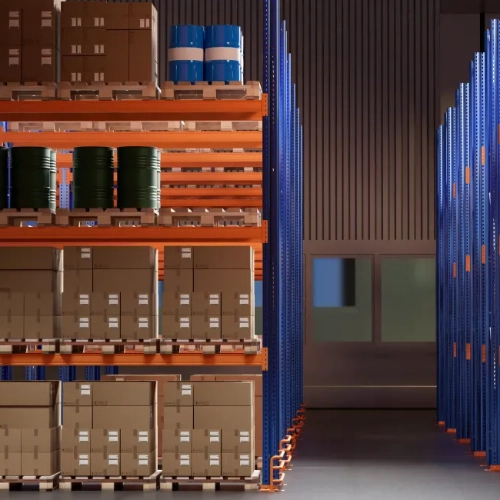
Factory / Warehouse Pest Control
The mix of goods, frequent deliveries, and extensive storage space in warehouses and factories creates the perfect setup for pest problems. Pests can chew through packaging, contaminate products, and damage machinery. In some cases, they can even shut down operations due to safety concerns.
Professional pest control helps to reduce these risks. With the right approach, you can stop infestations early, turning warehouse pest control into a manageable task instead of costly disruption. Scheduled inspections, pest monitoring, and quick response to signs of activity are all part of effective factory and warehouse pest management.
JP Pest Services creates pest plans based on your needs and building layout. Our trained technicians understand how pests behave in industrial settings and use that knowledge to protect your space.
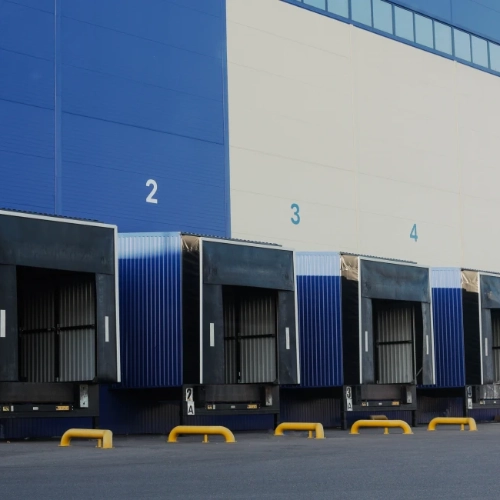
Controlling Rodents in Warehouses
Rodents are frequent intruders in large storage buildings. They sneak in through open doors, cracks in the foundation, or incoming shipments, damaging insulation, wiring, and inventory along the way. Rodents also spread disease and leave droppings that can contaminate entire batches of products.
Warehouse rodent control starts with a strong inspection. Our team looks for signs like droppings, gnawed packaging, and nests. We then create a rodent control plan using exclusion methods, trapping, and ongoing monitoring. Keeping your space clean and sealed is key to preventing future infestation.
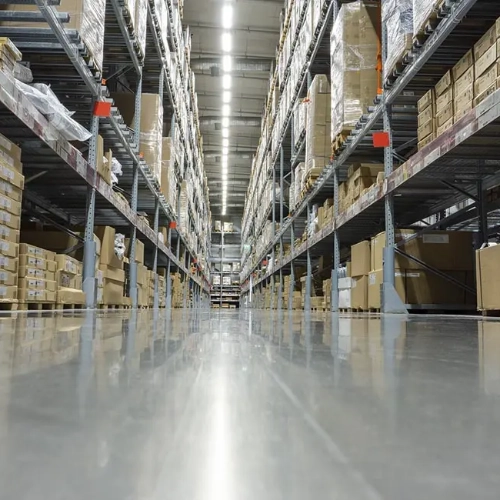
Controlling Insect Pests in Warehouses
Storage facilities need protection against insects, such as cockroaches, flies, and beetles. These pests can spread bacteria, damage products, and lead to failed inspections. Moisture, leftover food, and cardboard packaging all attract insects.
To prevent repeat pest visitors, warehouse insect control must focus on the root cause. Our technicians identify problem areas and suggest prevention measures, like sealing cracks, adjusting lighting, and improving sanitation. With regular treatments and follow-ups, we can help reduce the risk of recurring insect problems.
See What People Are Saying
What Are The Top 5 Pest Hot Spots In Manufacturing Facilities?
Managing a facility can be challenging. Safeguard your reputation by eliminating disruptive and costly encounters with pests such as rodents, birds, cockroaches, and stored product pests. Discover areas where pests pose the biggest risks using JP Pest’s industry-specific risk map, a great resource to share with personnel who oversee your pest prevention efforts.
Manufacturing Pest Control
Manufacturing sites have fast-moving production lines and strict industry regulations. If pests get in, they can stop work, ruin supplies, or trigger recalls. Some industries must meet exceptional safety and cleanliness standards, making manufacturing pest control even more critical, particularly in food and pharmaceuticals.
At JP Pest Services, we assess your plant's risks and develop a tailored management plan. We use inspections, monitoring, and other tools to control pests over time. We also help train your staff to recognize early warning signs of pests and take fast action. This protects the integrity of your site and maintains compliance with industry rules.
Logistics Pest Control
Facilities handling storage and distribution face many of the same pest challenges as factories. Large open areas, frequent foot traffic, and the constant flow of shipments create multiple access points for pests. A single missed infestation can spread across your entire supply chain.
Logistics pest control involves preventing pests from spreading between facilities and products. That starts with early detection and prevention methods. Our technicians place monitoring stations throughout your facility and review known trouble spots for as long as necessary. By controlling risks before they spread, we help logistics teams keep their operations clean and compliant.
Common Pests Faced By Manufacturing & Warehouse Facilities
With multiple entrances and loading docks, there are ample opportunities for pests to infiltrate. Frequent shipments and deliveries provide unwitting transport for new pest inhabitants. Some materials are especially appealing to pests, increasing the risk of infestation.
Some of the most common pests include:
Our Pest Control Process for Manufacturers & Warehouses
For generations, businesses have trusted JP Pest Services to protect their facilities, products, and people. To protect your warehouse or manufacturing site, the JP Pest commercial pest control experts will inspect your location to sort out current infestations and prevent future ones.
Inspection
We assess and inspect manufacturing facilities inside and out to create a comprehensive program that addresses both immediate and preventative needs.
Treatment
We will partner with you to develop a targeted treatment plan and establish proactive, preventative solutions tailored to your business.
Follow up
Our technicians provide accurate reporting, documentation, and ongoing monitoring to protect your business from pests.
The Commercial Pest Control Experts Since 1925
To meet the rigorous regulatory and compliance demands of your industry, you need to rely on the premier pest control company in your area. JP Pest Services is quick to customize a plan to meet the specific needs of your business, immediately and long-term. So why choose JP Services?
For nearly a century, we’ve been committed to solving pest problems from the common to the complex through research and the use of the most advanced products for maximum pest control.
Our service professionals take part in an industry-leading training program led by degreed entomologists with ongoing proficiency testing and advancement training programs.
We respond quickly to get your property back on track as soon as possible.
Our process documents specify the pest issues, the intervention methods used to eliminate the threats and the effectiveness, thereby showing risk to your facility has been mitigated.
Trusted by New England since 1925, our team of fully licensed and certified professionals are recommended by thousands of satisfied customers.
JP Pest Library
Rodents
Rodents are disruptive pests in warehouse and manufacturing facilities. They chew through packaging, contaminate shipments, and create safety and sanitation risks.
Season: Fall and winter
Size: Six to eight inches
Region: Found throughout the Northeast and across New England
Cockroaches
Cockroaches hide in dark, hidden areas with ample food and moisture. In storage facilities and factories, they can quickly multiply and spread, posing contamination risks.
Season: Year-round
Size: One to two inches
Region: Common across the Northeast
Stored Product Pests (Grain Beetles, Moths)
Stored product pests target dry goods like grains, cereals, and processed foods. In logistics pest control, keeping these invaders out is critical to protecting your goods.
Season: Spring and summer
Size: Less than 1/4 inch
Region: Widespread across New England
Frequently Asked Questions
Start by sealing entry points and removing clutter. For long-term results, work with professionals who will inspect and monitor rodent activity.
Seal food and waste, and clear debris near the building. Pair these efforts with a professional warehouse rodent control plan to prevent infestations from growing.
Facilities must take steps to prevent pest contamination. This includes having a pest management plan and keeping proper records of inspections and treatments.