© 2026 Rentokil Initial plc © JP Pest Services. All Rights Reserved.
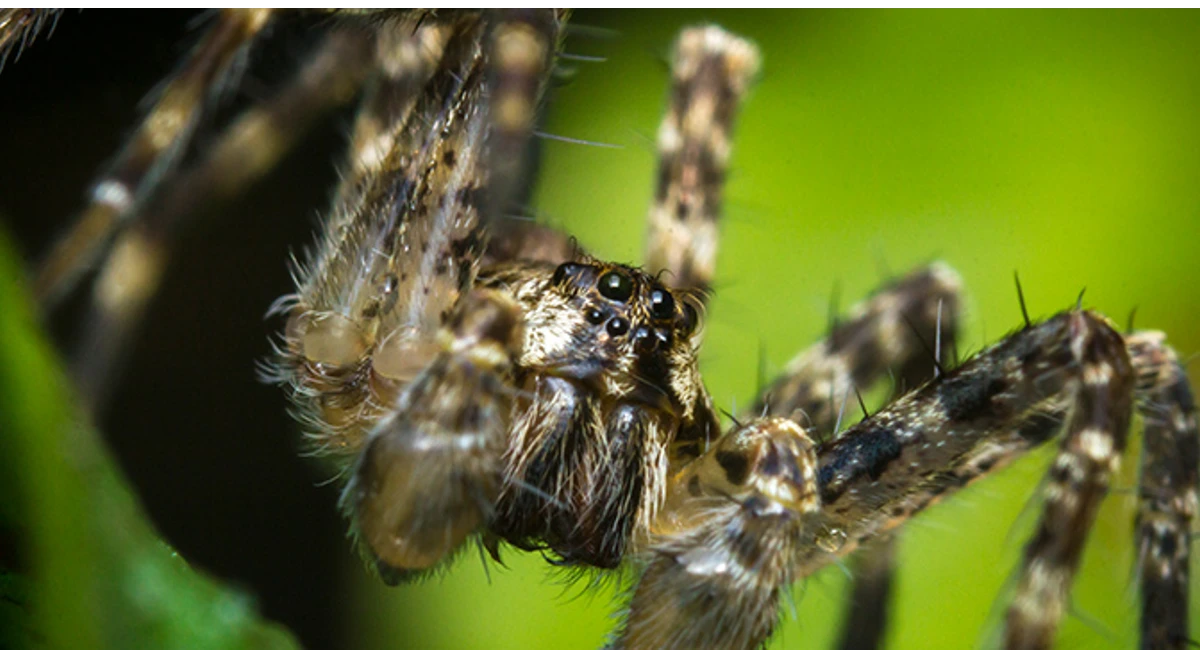
Spiders are often grouped together with insects. But are they actually considered bugs? It's a common question, and the answer lies in both scientific classification and how the term "bug" is used in everyday language.
Let’s explore the key differences between spiders and insects, what makes a "true” bug, and clarify where spiders fit. We’ll also delve into whether spiders are a nuisance requiring home pest control.
Why Spiders Aren't Bugs or Insects
The question of whether spiders are bugs or insects does have a straightforward answer: neither. But the truth is that not all insects are bugs. So, let’s start with the definition of an insect.
Insects (Insecta)
According to the University of Nebraska’s Department of Entomology, there are four things that make an insect an insect:
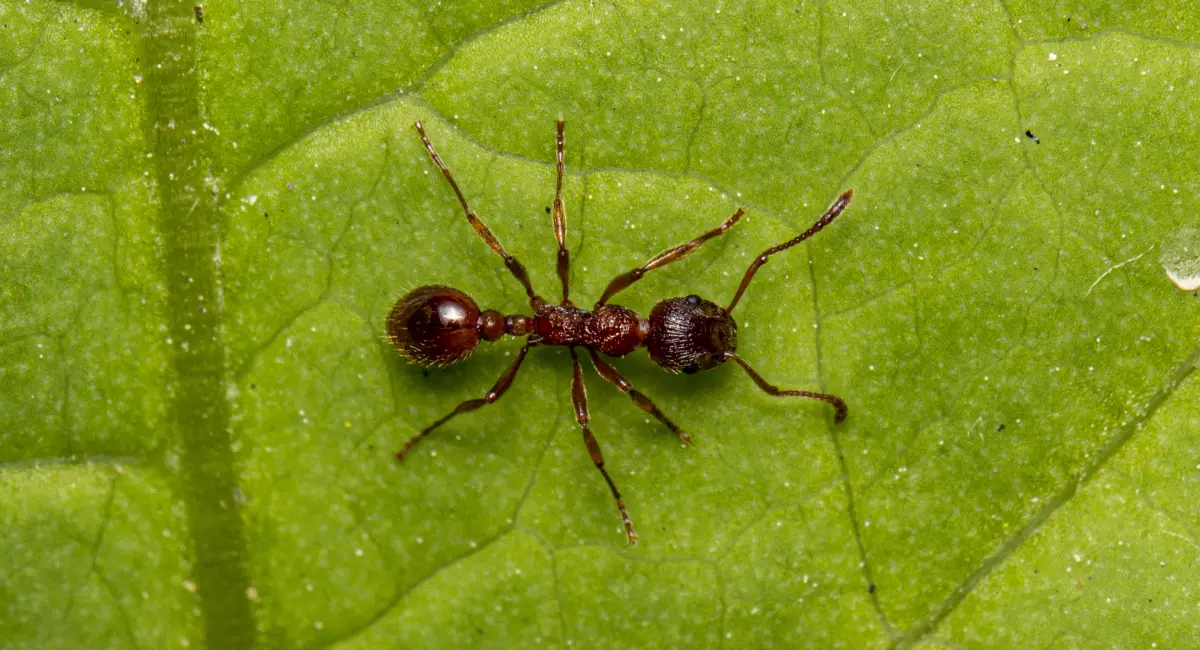
- A segmented body in three parts: head, thorax, and abdomen
- Three pairs of segmented appendages (six legs)
- Bilateral symmetry (their left and right sides look the same)
- An external skeleton that molts (or sheds) as the animal grows
Another way to define insects is to zero in on their specific scientific classification. Insects are those species that fall under:
- Kingdom: Animalia (i.e., animals)
- Phylum: Arthropoda (or arthropods, meaning animals with exoskeletons, which includes crustaceans like shrimp and lobster)
- Class: Insecta (aka, insects)
Insects include species such as ants, bees, beetles, butterflies, moths, cockroaches, and grasshoppers.
Bugs (Hemiptera)
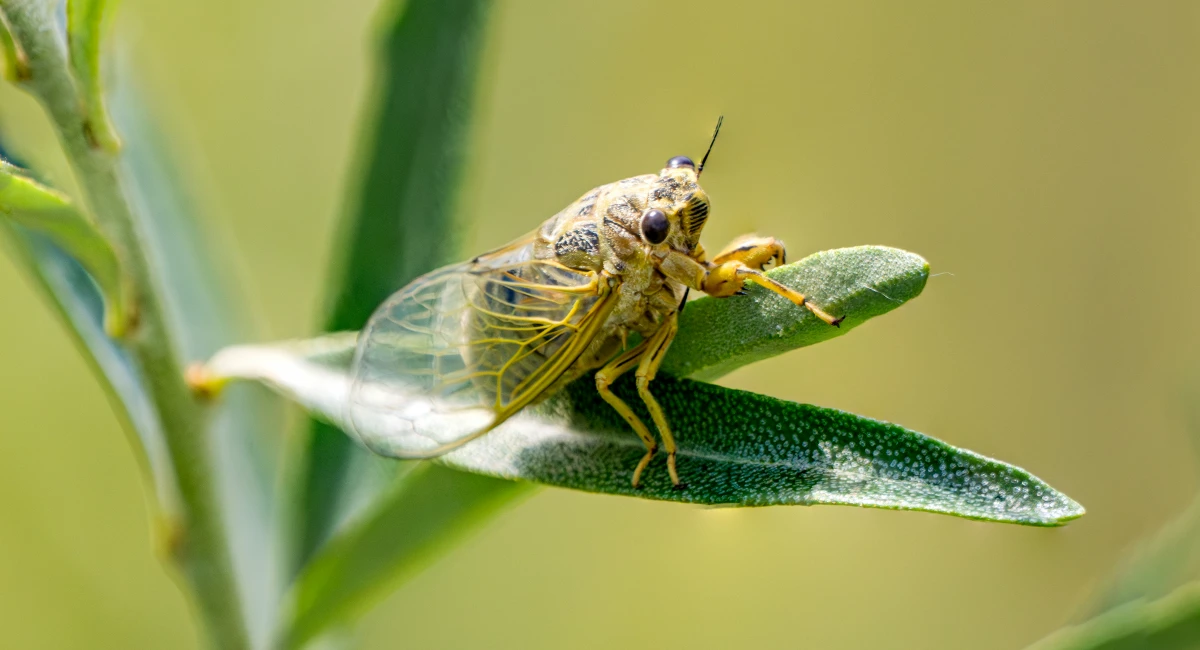
Even though the term “bugs” is used colloquially to refer to many types of insects, technically and scientifically, a true bug is all of those things that make up an insect, and then some. Specifically, bugs are members of the Order Hemiptera, so the classification order looks like this: Animalia - Arthropoda - Insecta - Hemiptera.
What most distinguishes Hemiptera from other insects is their mouthparts. These have no teeth and are instead designed to pierce tissues and suck liquids. But they get their name from another distinguishing characteristic—their wings.
Hemiptera means, more or less literally, “half wing,” which refers to the way in which insects of this Class typically have some combination of both hard and soft tissue wings. An example of hard tissue wings would be beetles, whilst housefly wings are made of soft tissue—Hemiptera, however, have both.
Examples of Hemiptera include:
- Bed bugs
- Planthoppers
- Stink bugs
- Cicadas
Arachnids (Arachnida)
So, let’s see where spiders fit in all of this.
Although both have segmented body parts, insects have three parts (a head, a thorax, and an abdomen), whereas spiders have only two. The spider’s head and thorax are one part, called a cephalothorax, and the abdomen is the second part.
Another key differentiation when you encounter bugs that look like spiders is their legs. Spiders have three types of segmented appendages: four pairs of walking legs, a pair of front feelers called pedipalps, and a pair of fang-tipped mouthparts called chelicerae. Insects, as we’ve already discussed, have six legs.
Why the Definition Matters in Pest Control
So, there you have it. Spiders are neither bugs (Hemiptera) nor insects (Insecta) but a class all their own—Arachnida, or arachnids. This Class includes not just spiders, but scorpions, mites, and ticks as well.
Why does this matter? The biological differences between these eight-legged creatures and insects mean that pest control treatments that work for one pest won’t necessarily work for the other. Spiders often require specific pest control strategies that don't apply to insects.
Plus, recognizing the difference between beneficial arachnids that prey on actual insect pests can help you decide the best way to manage their presence in your home or garden. We can help with inspections and the correct identification of pests in your home.
Whether you have a bug, insect, or arachnid, send a photo to our staff entomologist, Dr. Gary, for free identification!
Frequently Asked Questions
Most house spiders are harmless and can actually help reduce other household pests by feeding on flies, mosquitoes, and other insects. If a spider isn't causing a problem, you can safely capture and release it outdoors.
The vast majority of spiders found in New England are harmless to people and pets. While species such as the black widow or brown recluse receive a lot of attention, they are uncommon or not native to most of the region. Most spider bites are mild, and serious reactions are rare, though any unusual symptoms after a bite should be evaluated by a healthcare professional.
Many bug sprays are formulated to target crawling insects rather than spiders, which have different biology and often spend their time hidden in cracks, crevices, and webs where sprays don't reach. Even if a spray kills individual spiders, it won't address the insects they feed on or eliminate spider egg sacs.
Most indoor spiders do not hibernate in the traditional sense because heated homes provide a stable environment throughout the winter. While they may become less active if food is scarce, many continue to feed and reproduce indoors year-round. If you notice spiders during the colder months, it's usually because they've remained inside rather than recently entering your home.
Book Your Free Pest Inspection Today
Our local technicians will assess your property and recommend tailored solutions. Fast, friendly, and completely obligation-free.
- Safe, targeted treatments
- Local experts, fast response
- Trusted, trained technicians