© 2026 Rentokil Initial plc © JP Pest Services. All Rights Reserved.
Bed bugs are blood-feeders, normally at night, attracted by our warmth and the carbon dioxide we emit. While they’re not poisonous and don’t transmit diseases, bed bug bites cause severe itchiness, stress and restless sleep.
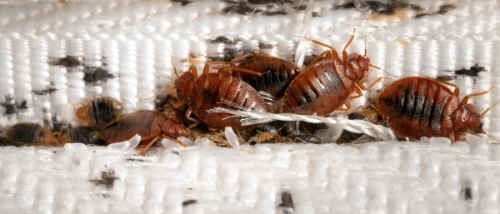
Hard to spot, they spend 90% of their time hiding—not just in beds, mattresses and box springs—but also in cracks and crevices on anything from fabrics to furniture.
Known as a hitchhiker pest, bed bugs travel easily to new locations on people’s personal belongings.
Bed Bug Information
Species: Cimex lectularius
Color: Reddish-brown as adults, lighter as nymphs
Season: Spring, Summer, Autumn, Winter
Size: Adults are 1/4″ long / Nymphs are between 1.3 mm to 4-5 mm
Region: Throughout the U.S.
Threats: Can inflict non-poisonous, but painful bites.

Bed Bug Facts
Understanding how bed bugs spread and what signs to watch for is your first line of defense in protecting your home and acting fast to stop an infestation before it starts.
How To Identify Bed Bugs
If you see bed bugs, you have a clear sign of a bed bug infestation.
Other signs include:
- Small, reddish or rust-colored stains on bedding from crushed bugs or their excrement
- Shed skins and tiny white eggs
- Itchy red bed bug bites on skin
You can see from our bed bug bites pictures that the bites are small, red, itchy welts, are often in a line or cluster on exposed skin, such as arms, neck, or face. Reactions to bed bug bites can vary, and some individuals may not exhibit any symptoms.
Where Bed Bugs Hide & How They Spread
Bed bugs often hide in the seams of mattresses, box springs, bed frames, and headboards.
But they cunningly also hide in other cracks and crevices, including upholstered furniture, behind wallpaper, under carpets, and inside electrical outlets. They’re hard to spot as they squeeze their flat bodies into tight spaces.
These pests are excellent hitchhikers. They can spread by latching onto luggage, clothing, used furniture, and other personal items. So they can easily travel from one location to another, rapidly spreading infestations in homes, hotels, and public transportation.

Seasonality
While bed bugs are active all year, infestations often increase during warmer months, probably as people travel and move around and so these pesky pests just hop on for the ride. Year-round vigilance is key as bed bugs can also be active during winter, thanks to our indoor heating.
How to Prevent Future Bed Bug Infestations
- Regularly inspect sleeping areas and furniture for signs of bed bugs.
- Be cautious when bringing second-hand furniture or clothing into your home.
- Use protective covers on mattresses and box springs.
- Vacuum frequently and dispose of the contents promptly.
- Be vigilant when travelling: inspect hotel rooms and keep luggage off floors
Despite preventative measures, sometimes bed bugs can still find their way into your home. Should that happen, prompt action and professional bed bug removal services are essential to prevent a small problem from escalating.
DIY treatments won’t kill bed bugs. It doesn’t eradicate them, it only deters them. So you’ll be left with a larger infestation due to how they breed and spread.
Bed bugs reproduce quickly. In a lifetime, just one female can lay hundreds of eggs about the size of a pinhead, in hidden areas. So infestations are hard to spot and even harder to control without professional intervention.
Bed Bug Life Cycle
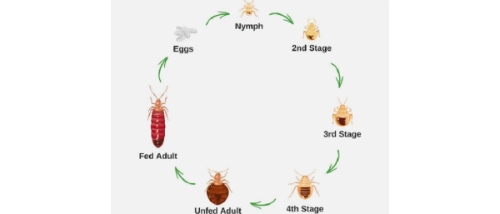
Understanding the bed bug life cycle can help with early detection and control:
- Eggs: Tiny, white, sticky, laid in hidden areas
- Nymphs (1st stage): Translucent, about 1.5 mm, require blood to molt
- 2nd stage: Slightly darker and larger after feeding
- 3rd stage: About 2.5 mm, starts resembling adults but lacks full color
- 4th stage: Grows and darkens
- Unfed adult: Flat, oval, brownish, 5-7 mm. Can survive for weeks without feeding but won't reproduce until after feeding
- Fed adult: Reddish-brown, about 1/4 inch. Feeds at night, then lays eggs to continue the cycle
Bed bugs usually feed for 5-10 minutes until engorged. They then hide for 5-10 days, digest their meal, mate, molt (shed shell), and lay eggs.
They typically feed every 5-10 days but can survive for several months without a blood meal.
Browse Other Pests
Knowing all the important information about bed bugs is the first step in managing and preventing infestations. However, after some investigating you may suspect your problem is another pest entirely. For information on other common pests and how to address them, explore our pest library.
Frequently Asked Questions
Bed bugs typically stay within a few feet of where people sleep. But they can travel up to 20 feet or more to search for blood.
Contact us for an inspection right away. DIY methods may deter bed bugs and offer short-term relief, but professional treatment is the most reliable way to eradicate the infestation and address the root of the problem.
Bed bugs love places with high human turnover. This includes hotels, apartments, dormitories, hospitals, shelters, and public transportation. They can also be found in single-family homes, especially after travel or when secondhand furniture is introduced.