© 2026 Rentokil Initial plc © JP Pest Services. All Rights Reserved.
Most New England homeowners treat Labor Day as the unofficial end of tick season, but in 2026, this would be a mistake. Tick numbers across the region are running high heading into autumn, and the fall months bring a second surge of activity that many families won’t see coming.
New England is currently emerging from one of its most severe tick seasons in a decade. Data from the CDC’s Tick Bite Data Tracker highlights this surge, noting that tick-related emergency room visits in the Northeast peaked at 211 per 100,000 visits this past spring. A large spring population like this doesn't just vanish; it feeds, breeds, and matures into adult ticks that become active again as temperatures cool.
Why Fall is Not Wind-Down Season
Blacklegged (deer) tick activity in New England follows two waves each year: a nymph peak in late spring and early summer, and an adult peak in October and November. That autumn wave lands right on the cusp of yard clearing season, when homeowners begin leaf cleanup, clearing brush, and stacking firewood—putting people in direct contact with tick habitat at a time when their guard is down.
Adult ticks stay active far longer than most people expect. Adult deer ticks typically remain active well into the fall and don't retreat until it's consistently cold. Even when it’s below freezing overnight, but 40 degrees the next day, ticks will be out. This means that in some parts of New England, they may be active right up to November.
A hard frost doesn't end the threat; it merely slows activity temporarily, as ticks return to the hunt during the mild spells typical of a New England autumn. This is especially concerning because the adult ticks driving fall activity are also the most likely to carry disease. Having fed at least once in their life cycle, a higher proportion carry the bacterium responsible for Lyme disease and other pathogens, making an autumn bite potentially riskier than one in midsummer.

What's Actually Causing the Higher Numbers
It's tempting to pin increased tick activity only on the milder winter, but the science is more nuanced—and more concerning. Researchers point to a combination of factors:
- Booming deer populations. White-tailed deer are the primary breeding host for adult ticks. Some areas of North and South Carolina have deer densities several times higher than cited ecological or agricultural management targets.
- Warm, humid stretches. Ticks are highly vulnerable to drying out. Increasingly humid New England summers keep them alive and active longer into the season, and extend the window in which they can find a host.
- Winter survival. Contrary to the myth that hard winters kill ticks. In fact, overwinter survival is consistently high; snow and leaf litter insulate ticks from the coldest temperatures rather than eliminating them.
For homeowners, the takeaway is clear: this is not a one-off spike that will vanish with the first cold snap. Each factor builds on the others to keep tick numbers elevated throughout 2026 rather than fading after summer.
Ticks Aren't The Only Concern
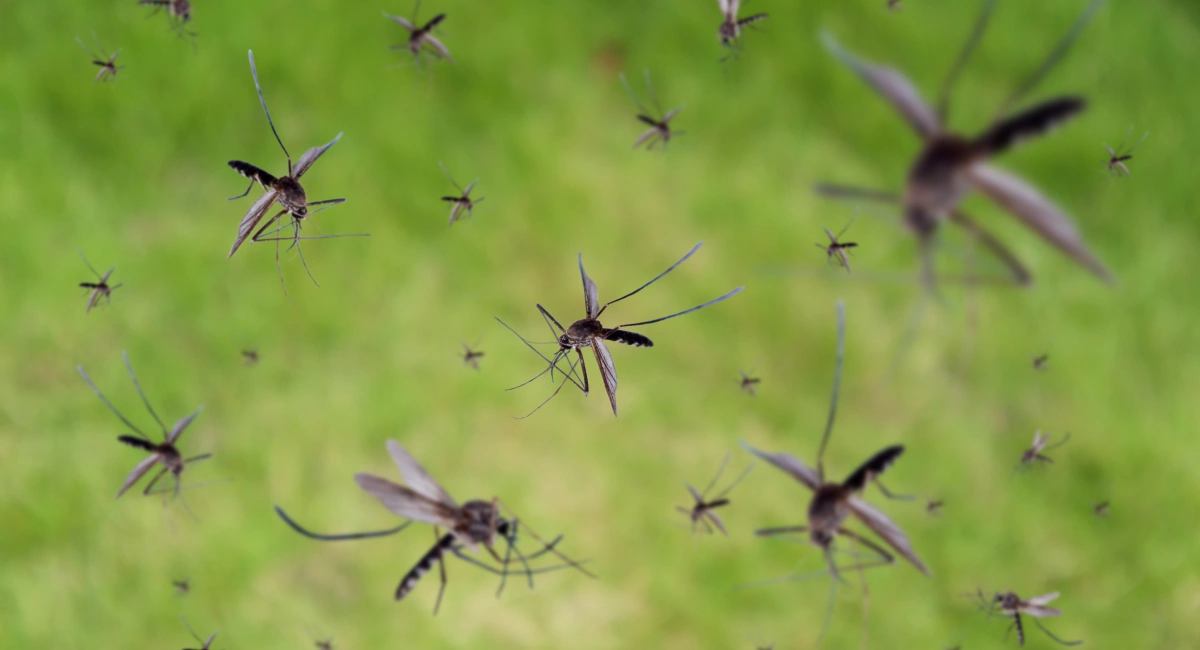
The pest risk in September extends beyond ticks, as mosquitoes often remain active well into the season. With West Nile virus recently detected in Massachusetts mosquito samples, several communities have been placed at elevated risk. This creates a dual threat for families spending time outdoors during early autumn evenings.
While mosquito risk typically peaks at dusk and dawn near standing water, ticks are concentrated in shaded, vegetated ground throughout the day. Consequently, reducing standing water and continuing professional mosquito control treatments remain worthwhile strategies well past the end of summer, particularly during a warm New England September.
Practical Steps for the Fall Season
There’s no need to abandon the outdoors this fall. Autumn tick presence is manageable when you know what to look for, where to find them, and stay vigilant:
- Keep checking. Do full-body tick checks on family members and pets after yard work or time near wooded edges, and shower within a couple of hours of coming inside. Pay attention to the scalp, waistline, and behind the knees.
- Manage the yard edge. Ticks concentrate in the transition zone between the lawn and woods. Clearing leaf litter, keeping grass short, and creating a barrier along the treeline all reduce habitat. This principle is at the heart of JP's season-long tick control service, which targets perimeter vegetation, footpaths, and yard borders near forests.
- Protect pets year-round. Ticks also target dogs and cats, or they may carry unattached ticks indoors. Applying veterinarian-approved treatments through October should help.
Where This Leaves New England Homeowners
While the high 2026 tick population and favorable survival conditions make this autumn's peak activity significant, it is no cause for alarm. All it takes is a slight change in mindset and sticking with your normal habits for a few extra months. The homeowners who stay protected through fall are the ones who don't switch off on Labor Day.
If you're unsure whether your property's wooded edges or shaded beds are creating hidden tick habitat, a professional assessment can bring clarity. JP Pest Services has protected New England homes since 1925, and our local technicians know how tick pressure differs across the region. They’ll walk your property, identify high-risk areas, and tailor a plan suited to your circumstances.
Fall ticks are active, hungry, and more likely to carry disease. Let JP Pest Services identify the hidden hot spots on your property and develop a protection plan to keep your family safe well into the season. Schedule your assessment today.
Book Your Free Pest Inspection Today
Our local technicians will assess your property and recommend tailored solutions. Fast, friendly, and completely obligation-free.
- Safe, targeted treatments
- Local experts, fast response
- Trusted, trained technicians