© 2026 Rentokil Initial plc © JP Pest Services. All Rights Reserved.
Multi-unit complexes and condominium properties face unique challenges when it comes to property management pest control. Pests often prove difficult to pinpoint and manage due to shared floors, walls, and utilities. Communal areas like pool houses, trash rooms, recreation centers, and hallways also increase pest risks within multi-unit complexes that require year-round attention.
Whether you have multiple locations or a single rental property, JP Pest Services can provide tailored protection and control services to keep you and your tenants satisfied.
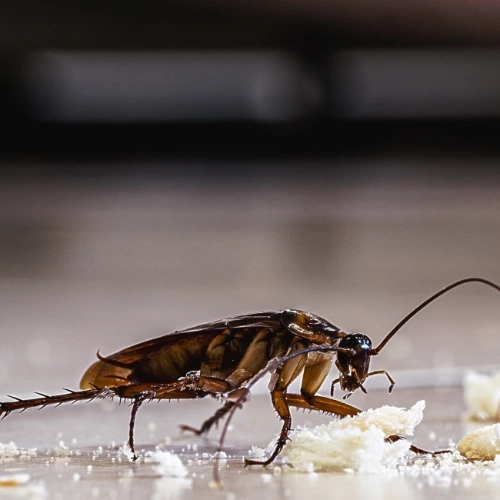
Dealing With Pest Problems in Multifamily Property
Pest problems in rental property settings can be difficult to manage because of shared walls and spaces. What works for a single home doesn’t always work in multifamily buildings. Pests can move through pipes, vents, or wall gaps. Tenants come and go often, which can make infestations harder to track. This means that property managers need to act fast when a tenant reports an issue to prevent it from spreading to nearby units.

Health Risks From Pests
In most cases, landlords are responsible for managing pests in their properties, especially when they can cause ill health among tenants. Cockroaches spread bacteria, rodents leave behind droppings that can lead to breathing issues, and bed bugs bite and cause skin reactions. In multifamily buildings, a pest in one unit can put others at risk, and before long, can quickly escalate into a major health and safety concern.
JP Pest Services is a trusted pest control service provider in the region. Our proven record of pest control can put your mind at ease. Our trusted team handles pest concerns so you can focus on managing your property with peace of mind.
The Property Management Protection Program
Customized to your property-type based on its unique needs and challenges. -- We build your plan on an IPM (Integrated Pest Management) foundation.
Protects from the following most-common pests:
- Ants
- Roaches
- Mice
- Rats
- Stinging Insects (nests 15' from ground level)
Additional services and programs include:
- Bed Bugs (control & prevention with bed bug assurance)
- Fly Control
- Wildlife Removal
- Bird Control
- Seasonal Invaders (lady beetles, stink bugs & more...)
See What People Are Saying
Multi-housing Preventative Measures for Pests
Prevention is often more cost-effective than cleanup. Multi-housing pest control requires a comprehensive approach that includes sealing entry points, training staff to spot signs of pests, and scheduling regular inspections. Integrated Pest Management (IPM) strategies combine sanitation, monitoring, and targeted treatments to reduce the risk of infestations.
Educating tenants on pest signs and encouraging early reporting helps prevent problems from escalating and shows your commitment to tenant well-being. Clear communication, written pest policies, and consistent action show tenants that you take pest issues seriously.
Created for New England property managers, this risk map highlights common pest hotspots across commercial buildings.
When termites invade rental properties, landlords are responsible for finding solutions and exterminating them. Termites can inflict a lot of damage as they quietly chew through wood and drywall.
Bed bugs in the multi-residential world are virtually impossible to avoid, but you can significantly decrease your chances of an infestation. Managing your property’s risk can help to preventing and minimize bed bug incidents that impact your bottom line, tenant satisfaction, and reputation.
Rodents, like mice and rats, are noisy, disruptive, and unsanitary. They can cause significant property damage and spread harmful diseases. These pests breed quickly and adapt easily to different environments, making them difficult to remove without professional help. Rodents are also persistent and will return if food and shelter remain accessible.
Birds, like pigeons, often cause trouble by nesting on roofs, ledges, and HVAC systems. Their droppings are acidic and can damage buildings. Nesting birds can also block vents and gutters, leading to water damage. For property managers, bird control may include installing spikes or netting to block nesting areas and regularly cleaning affected surfaces.
Our Process for Property Managers and Multifamily Facilities
JP Pest Services is a trusted pest control service provider in the region. Our proven record of pest control can put your mind at ease. Our trusted team handles pest concerns so you can focus on managing your property with peace of mind.
Inspection
We conduct detailed inspections inside and outside your properties, covering units, hallways, basements, utility areas, and exterior entry points to identify both current issues and areas vulnerable to pest activity.
Treatment
Our technicians design a custom treatment plan tailored to your property layout and tenant needs. This includes targeted pest removal and preventative steps like sealing gaps, installing monitors, and managing attractants.
Follow up
We provide ongoing service reports, digital documentation, and consistent monitoring. This ensures transparency, supports compliance, and helps reduce long-term pest risks throughout your housing portfolio.
Why Choose JP Pest Services?
JP Pest Services is the trusted partner for property managers and multifamily housing providers across New England. We bring decades of experience and tailored solutions that fit your building’s operations, ensuring peace of mind for tenants and reduced risk for owners.
For nearly a century, we’ve been committed to solving pest problems from the common to the complex through research and the use of the most advanced products for maximum pest control.
Our service professionals take part in an industry-leading training program led by degreed entomologists with ongoing proficiency testing and advancement training programs.
We respond quickly to get your property back on track as soon as possible.
Our process documents specify the pest issues, the intervention methods used to eliminate the threats and the effectiveness, thereby showing risk to your facility has been mitigated.
Trusted by New England since 1925, our team of fully licensed and certified professionals are recommended by thousands of satisfied customers.
Frequently Asked Questions
Generally, property managers or landlords are responsible for arranging routine pest control services in multifamily properties. This includes preventative measures and treatments for common pests affecting shared areas or structures.
It depends on the type of treatment. Some services, especially those targeting bed bugs or involving sprays, may require tenants to leave for several hours. Others, like baiting systems or inspections, usually don’t disrupt daily activities.
Bed bugs are often considered the most difficult to eliminate. They hide in small spaces, spread quickly between units, and frequently need more than one professional treatment. Successful elimination also requires cooperation between tenants and management.
In most rental properties, property managers handle general pest control. However, if a pest issue is linked to poor tenant hygiene or not reporting problems, tenants may be held responsible. Lease agreements should clearly outline these responsibilities.