© 2026 Rentokil Initial plc © JP Pest Services. All Rights Reserved.
Pest and hygiene risks vary widely and pose threats across various modes of public transportation, including trains, buses, aircraft, ferries, as well as stations, terminals, and other infrastructure depots.
Effective pest management and comprehensive hygiene protocols are essential for safeguarding the health and safety of both employees and travelers, and preserving the integrity of buildings and equipment. JP Pest offers innovative disinfection, hygiene, and pest control solutions, empowering transportation operators with proactive methods to minimize infection risks and address pest issues using cutting-edge products and services.

How Pest Infestations Impact Transit Operations
A single infestation can damage reputations, risk public health, and disrupt services. In the transportation industry, the stakes are high. Transit locations face several pest-related challenges. Storage rooms, staff break areas, and food courts can attract pests when spills aren’t cleaned quickly or trash piles up. Pests enter through door openings, loading docks, or plumbing access points.
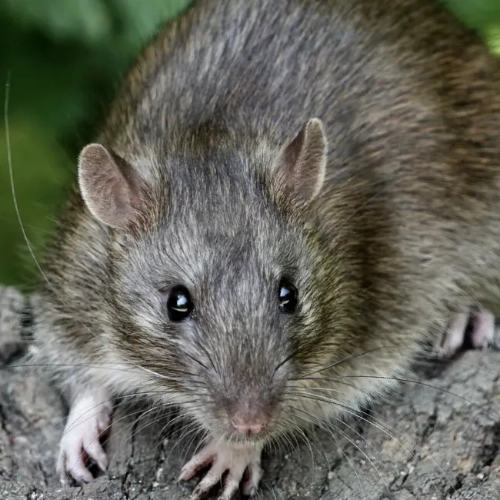
Cockroaches can gather near damp or dark places, while rats often look for food waste near dumpsters or outdoor seating. Flies can become a problem near restrooms or trash bins, especially in warm weather. Without proper action, pests can spread and disrupt day-to-day operations.
We provide transport pest control that targets their habitats and interferes with breeding patterns. Each plan is based on the site's individual needs, such as how many people pass through, how food is handled, and where waste is stored. We focus on prevention and long-term solutions to help reduce pest risks across the transportation industry.
Transport Most in Need of Pest Control Services
Transportation hubs experience high foot traffic, long operational hours, and constant movement of people and goods, which makes them vulnerable to wildlife, rodent and insect activity. Fast food and waste products are plentiful wherever there is a high turnover of people, which attracts common threats, such as rats, cockroaches, flies, and ants, that can contaminate food, damage infrastructure, and disrupt service schedules.
A tailored approach to pest control at airports, bus and railway stations can help to keep these communal hubs clean and minimize the risks to travelers and staff. Pest control must be proactive and sustainable to ensure a compliant, hygienic, and fully functioning facility.
Our technicians understand local pest habits and encounter these challenges daily. Our pest control programs target pests at the source; we inspect, eliminate, and control infestations to protect your transport hub, prevent maddening delays, and safeguard against the most common offenders.

Bus Station Pest Control
With long hours, high foot traffic, and on-site food vendors, bus stations are hotspots for rodents and insects. Overflowing bins and storage areas give pests easy access to food and shelter.
Our technicians inspect, seal entry points, and deploy targeted baits and traps. We create site-specific plans that align with your cleaning routines and operational hours.
Airport Pest Control
Airports face elevated pest risks due to complex layouts, food waste, and heavy passenger flow. Infestations often go unnoticed in busy terminals and can spread fast if not addressed.
We deliver discreet pest control that meets aviation security standards. From secure zone treatments to staff training, our programs help keep pest activity under control without disrupting operations.
Train Station Pest Control
Aging infrastructure, underground tunnels, and food outlets make train stations vulnerable to rodents, pigeons, and cockroaches. Left unchecked, pests can cause service delays and costly damage.
We tailor our pest control to each station’s layout, using exclusion, monitoring, and sanitation plans to prevent issues and protect critical infrastructure.
See What People Are Saying
Our Pest Control Process for Public Transportation
Public transit facilities face ongoing pest challenges from heavy foot traffic, waste buildup, and complex layouts. JP Pest Services partners with transportation teams to create maintenance programs that cover all areas, including platforms, waiting zones, and vehicle storage. Our technicians inspect each site, treat active issues, and help prevent future problems.
Inspection
We inspect stations, depots, terminals, and service areas inside and out to identify pest entry points, harborages, and high-risk zones.
Treatment
We create a targeted treatment and prevention plan based on your facility layout, pest pressure, and public service hours to reduce disruption.
Follow up
Our technicians provide regular reports, documentation for compliance and audits, and ongoing monitoring to keep your transit environment clean and protected.
Most Common Pests Faced by Public Transportation
The public transportation system in towns and cities sees a constant turnover of passengers, which makes it ever more vulnerable to a variety of pest problems. Furthermore, the short turnaround times for trains and other means of transport often means that they are not as thoroughly inspected and cleaned as they should be. Some of the most common pests include:
Why Choose JP Pest Services?
JP Pest Services is a trusted partner for public transportation teams across New England. We understand the demands of operating essential infrastructure and the importance of protecting public health and safety.
For nearly a century, we’ve been committed to solving pest problems from the common to the complex through research and the use of the most advanced products for maximum pest control.
Our service professionals take part in an industry leading training program led by degreed entomologists with ongoing proficiency testing and advancement training programs.
We respond quickly to get your property back on track as soon as possible.
Our process documents specify the pest issues, the intervention methods used to eliminate the threats and the effectiveness, thereby showing risk to your facility has been mitigated.
Trusted by New England since 1925, our team of fully licensed and certified professionals are recommended by thousands of satisfied customers.
At JP Pest Services, we work with public transportation teams to build preventative maintenance programs that cover every zone, from waiting areas and platforms to vehicle storage and mechanical rooms.
Frequently Asked Questions
Pests can damage infrastructure, contaminate food, and create health risks. Routine pest control keeps public areas clean, reduces the risk of infestation, helps protect your reputation, and reduces transport delays.
Our pest control programs support compliance by targeting key risk areas and providing documentation for audits and inspections. For example, we help you stay aligned with strict public health standards relating to food service and waste disposal.
High-traffic sites like stations and airports can benefit from a monthly service. However, frequency depends on pest risk, layout, and usage. Our team will recommend a schedule tailored to your needs, using cutting-edge techniques.