© 2026 Rentokil Initial plc © JP Pest Services. All Rights Reserved.
It’s not entirely unheard of to spot ants in winter. After all, with more than 12,000 identified species worldwide, some prefer milder or even near-freezing temperatures.
Finding ants in your home during the winter in the Northeastern U.S., however, can be a problem that requires ant control. Cold weather can drive typical native ant species, such as carpenter ants, pavement ants, and odorous house ants, indoors in search of shelter.
Understanding Ant Activity in Winter
Understanding typical ant behavior in the winter months may help determine whether you have a problem.
What Do Ants Do in Winter?
Ants don’t die in the winter, as many might suspect, and they don’t exactly hibernate, either. Generally speaking, most ant species enter a state of dormancy, in which their metabolic rate slows significantly, when temperatures drop. To survive the freeze, they retreat deep into their ant nest, often tunneling below the frost line or huddling under rocks and bark where the ground remains insulated.
Because they are relatively inactive, they can survive for months on stored energy supplies and the food cached within the nest. During this period, worker ants focus on protecting the queen and huddle around her to share their collective body heat and ensure the survival of the ant colony.
How Your Home is Helping Ants Skip Hibernation
Naturally, homeowners in the Northeastern U.S. will turn to central heating systems as soon as temperatures drop. But it’s this synthetic heat that might encourage ants to remain active throughout their typically dormant months.
Where Do Ants Go in Winter?
Many ant species retreat into their outdoor nests in the winter to shield themselves from freezing temperatures and survive. However, some opportunistic ants may venture into homes. Pavement ants, carpenter ants, and odorous house ants have all been known to build colonies inside homes, particularly in areas under flooring or close to heating ducts.
Why Seeing Ants in the Winter is a Red Flag
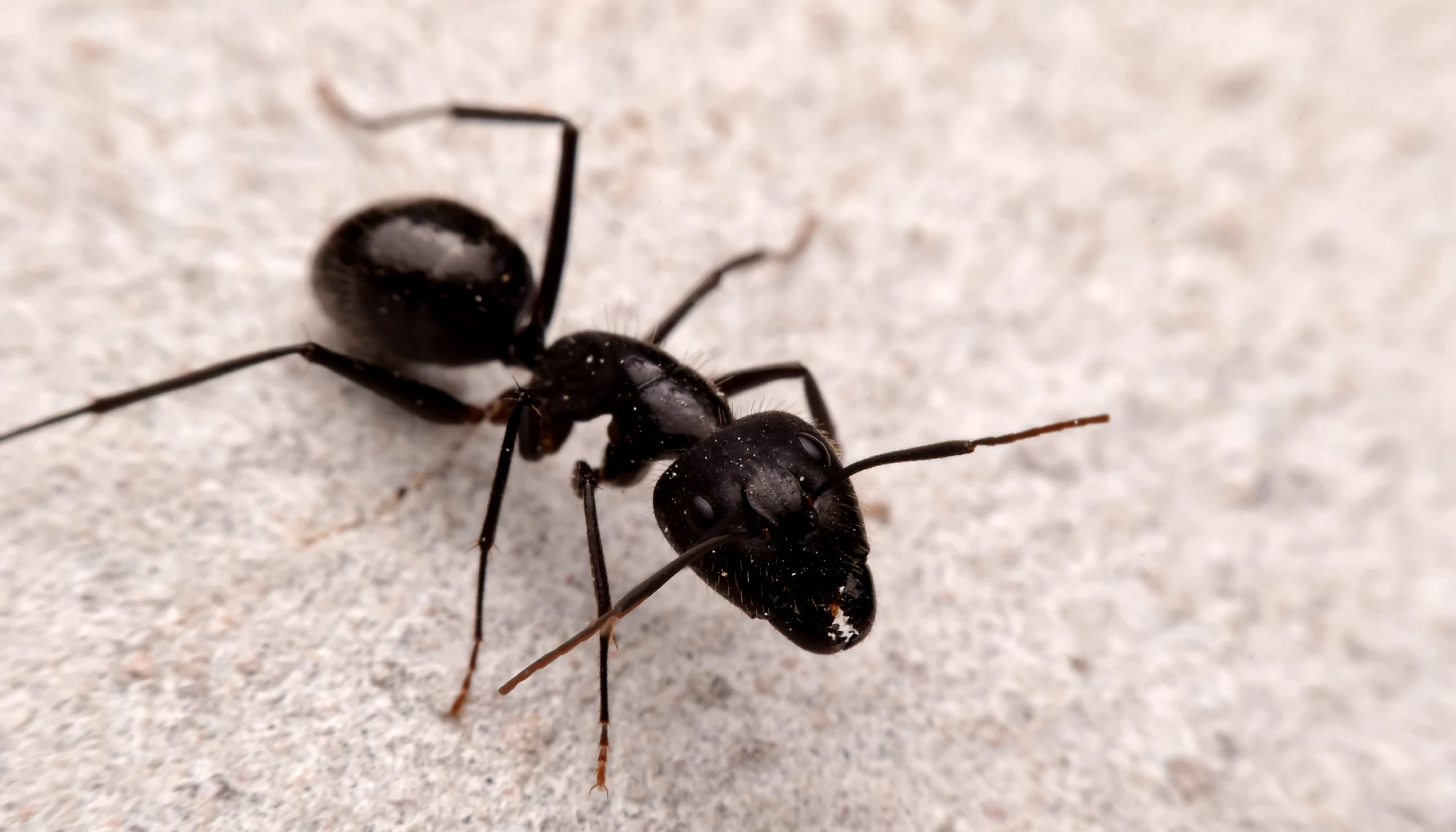
Seeing ants indoors in winter is often a sign of an established ant colony nearby or inside your home, and it should not be ignored. As the warmth and humidity of your home encourage ants to remain active in the winter rather than enter a dormant period, populations can establish themselves and continue to grow.
Carpenter Ants (The Structural Threat)
Often mistaken for termites, carpenter ants can be just as destructive and require professional pest management to effectively eradicate an infestation.
Unlike termites, carpenter ants do not eat wood. However, they bore through it in order to build their nest, resulting in damage to the structural integrity of your home, similar to a termite infestation.
It is common for homeowners to host an entire colony without knowing because carpenter ants are masterful at staying out of sight. They are attracted to moisture, particularly in areas that have suffered a leak or accumulated condensation; for instance, around showers, sinks, dishwashers, bathtubs, or even tucked behind bathroom tiles.
Odorous House Ants (The Kitchen Nuisance)
Unlike many ant species that become dormant in winter, odorous house ants can remain active indoors if they have access to warmth. Colonies often nest inside wall voids, beneath floors, or near heated foundations, where indoor temperatures prevent them from entering their usual winter dormancy.
They are especially attracted to sweet foods, greasy residues, and moisture around kitchens, bathrooms, and utility areas. You may notice ant trails even when there is snow outside because the colony is protected from the cold within your own walls.
Pavement Ants (The Slab Invaders)
Pavement ants usually nest beneath driveways, patios, pavements, or building foundations, but freezing temperatures can prompt worker ants to enter homes through small cracks and gaps.
Once inside, they are commonly found in kitchens, basements, and utility rooms, where they forage for crumbs, sugary foods, grease, and moisture. Heated buildings can keep parts of the colony active during winter months, even while outdoor ants remain dormant.
Home Inspections for Winter Ants
The best way to recognize an infestation is simply to be vigilant. If you see even one or two ants, especially in the winter, recognize it as a sign of a larger infestation.
Be on the lookout for coarse sawdust that has accumulated beneath a possible entry point. This could be a result of the carpenter ant’s sanding behavior, and may also include bits of insulation or insect parts.
There are other things you can do to inspect and ant-proof your home from ant infestations:
- Check exterior foundations, windows, and doors for small cracks and possible entry points
- Inspect kitchens and bathrooms for plumbing leaks or standing water
- Search for nesting signs near heat-producing appliances like water heaters and furnaces
- Examine utility pipe and wire entry points for gaps that act as easy pathways
- Look for small piles of debris or frass, which can signal a hidden infestation
The experts at JP Pest Services understand the behavior and signs of ants infesting homes during the winter. We can help you with seasonal home inspections and effective pest control treatments to keep pests like ants from returning.
Frequently Asked Questions
Ants and termites can look similar, but there are key differences. Ants have a narrow "waist," bent antennae, and front wings that are larger than the back wings. Termites have a thicker body, straight antennae, and four wings of equal length. If you're unsure, it's best to have the insects identified quickly, as termites can cause significant structural damage.
Professional technicians identify signs such as ant trails, activity patterns, and entry points to narrow down the nest location. They inspect wall voids, foundations, and other hidden areas where colonies commonly establish themselves.
Not usually. Heated homes provide a warm, sheltered environment where ants can remain active throughout winter. If a colony is nesting inside your walls or beneath the foundation, it can survive the cold by relying on your home's warmth and indoor food and water sources.
Yes. Ants can contaminate food by crawling over surfaces and packaging while searching for food. While they are not known to spread disease in the same way as some other pests, remember that they trawl through unsanitary areas. They can spoil food and easily become a nuisance.
Book Your Free Pest Inspection Today
Our local technicians will assess your property and recommend tailored solutions. Fast, friendly, and completely obligation-free.
- Safe, targeted treatments
- Local experts, fast response
- Trusted, trained technicians