© 2026 Rentokil Initial plc © JP Pest Services. All Rights Reserved.
Autumn in New England brings the relief of cooler evenings and the spectacle of its acclaimed changing leaves, but it also means the annual task of preparing properties for winter is approaching. All kinds of insects and rodents will begin to seek shelter as the temperatures fall—and you don’t want that to be your home.
Small gaps around doors, windows, siding, utility lines, and rooflines can make an easy route indoors for climbing pests and fliers alike. Once settled inside walls, attics, basements, or storage areas, they can become more difficult to manage. Proactive maintenance can help reduce pest activity and support a more comfortable, worry-free season.
What Are Fall Invaders?
“Fall invaders” is a general term for pests that typically enter buildings as outdoor conditions become colder and wetter.
Not just insects, these common fall invaders in New England can include:
- Brown marmorated stink bugs
- Boxelder bugs
- Western conifer seed bugs
- Cluster flies
- Asian lady beetles
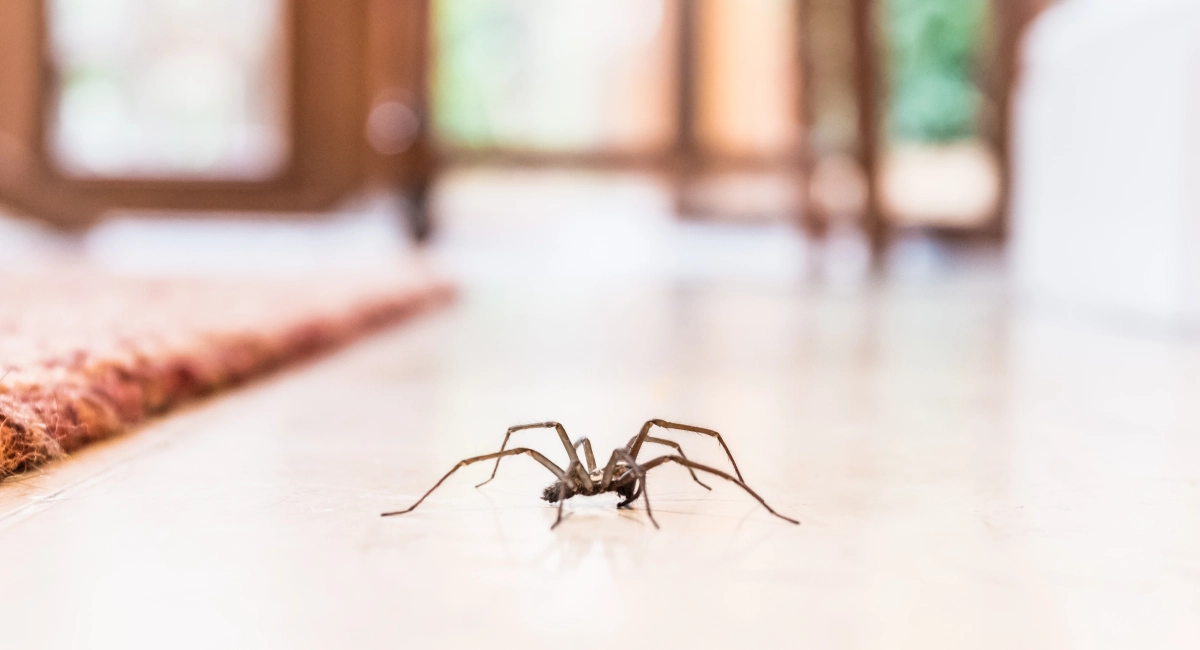
- Spiders
- Centipedes
- Mice, rats, and other rodents
While some insects remain inactive inside wall voids and attics until temperatures rise, others may emerge if indoor heating or stretches of mild weather make them active again.
Many of these fall pests are a nuisance, but it’s worth remembering that some, like rodents, present additional concerns. They can contaminate surfaces, transmit disease, damage stored materials, and even cause costly property damage.
Why Do Pests Enter Buildings in the Fall?
Simply, homes and commercial buildings offer pests ideal protection from the elements and more stable temperatures.
As fall sets in, you should check your property for conditions that make it more accessible to them. This includes:
- Cracks in foundations and exterior walls
- Gaps around windows and doors
- Damaged weather stripping or door sweeps
- Torn screens
- Openings around pipes, cables, and utility lines
- Loose siding or roofline gaps
- Vegetation growing against the building
- Damp basements, crawl spaces, or utility rooms
- Improperly stored food or open waste
Fall invaders, such as brown marmorated stink bugs, frequently gather on south and west-facing walls as these surfaces tend to receive more afternoon sun. From here, they may find openings leading into your home or business. This is why you shouldn’t ignore early warning signs of them gathering on walls.
How to Stop Fall Invaders From Coming Inside
Inspect the Exterior Before Temperatures Drop
Aim to inspect the outside of your property before seasonal invaders begin gathering, and make a note to do this each year.
Look closely at:
- Building foundations
- Door and window frames for gaps and weaknesses
- Siding and trim
- Roof edges, soffits, and fascia
- Attic and exhaust vents
- Chimneys
- Utility penetrations
- Garage and loading doors
- Review exterior lights and doors
Pay particular attention to places where different building materials meet. These joints can shift over time due to age and weathering, creating openings for pests.
Remember that not every gap should be sealed. Vents and drainage are important features that must continue functioning properly. Pest-resistant screening can help protect necessary openings without interfering with airflow or moisture management. If you’re unsure, consult a pest management professional.
Seal Common Entry Points and Organize Repairs
Once you’ve identified potential access points around your property, you should complete or organize the necessary repairs in time for peak fall activity.
Some of these helpful exclusion measures might include:
- Repairing screens: Check windows, doors, attic vents, and other screened openings for tears or loose edges.
- Replace worn weather stripping: Weathered seals around doors and windows can leave gaps for pests to squeeze through.
- Install door sweeps: Exterior, garage, and loading doors should fit securely along the threshold.
- Seal utility openings: Inspect areas where plumbing, electrical wiring, cables, and HVAC lines enter the building.
- Repair exterior damage: Loose siding and roofline gaps can provide entry routes.
- Reduce excess moisture: Clear gutters and downspouts, fix areas with poor drainage, and direct any excess water away from your building foundation.
Bear in mind that rodents can gnaw through some soft sealants, so you may need to explore pest-resistant materials to truly keep them out.
Ongoing Maintenance Around the Property
Leaves, weeds, stacked firewood, and dense vegetation can provide a variety of pests with food, moisture, and shelter that are also close to potential entry points.
Good exterior maintenance includes:
- Removing accumulated leaves and debris
- Trimming shrubs and branches away from buildings
- Keeping weeds and tall grass under control
- Storing firewood off the ground and away from exterior walls
- Avoiding unnecessary boxes or lumber near the foundation
- Keeping outdoor waste containers closed and clean
Meanwhile, for indoor storage areas and food preparation environments:
- Store pantry goods and pet food in secure containers
- Clean spills promptly
- Avoid leaving pet food out overnight
- Keep seasonal decorations and other belongings stored in durable containers instead of cardboard boxes
Commercial properties should pay particular attention to:
- Receiving and loading areas
- Employee break rooms
- Kitchens and food-storage spaces
- Waste-handling areas
- Warehouses and stockrooms
- Utility and mechanical rooms
Keeping on top of consistent cleaning and stock rotation can reduce factors that attract pests and make activity easier to detect going forward.
What To Do When Fall Invaders Come Inside
For the occasional insect, you can generally sweep or vacuum it up and empty it into a sealed outdoor waste container afterward. However, you should always avoid crushing stink bugs, as they may release a noticeable odor that can leave stains.
Remember that insects appearing during winter may have entered weeks or months earlier. Removing visible pests addresses the immediate nuisance but may not reveal how they gained access. And if you’re not sure which pest is causing the issues, need help with identification, or think there may be a hidden infestation, always seek help from an expert.
Fall Pest Prevention for New England Businesses
Seasonal pests can create specific concerns for commercial properties. Even insects that do not damage a building may affect employee comfort, customer confidence, product areas, and perceptions of facility care.
In regulated environments such as pharmaceutical and food-processing facilities, fall preparation should be coordinated with existing sanitation, maintenance, and pest management programs. Preventive measures may include:
- Documented exterior inspections
- Monitoring near entrances and receiving areas
- Timely correction of structural deficiencies
- Review of door-management practices
- Vegetation and moisture management
- Accurate identification of pest activity
- Follow-up to confirm corrective work was effective
Addressing vulnerabilities before pests reach production, storage, laboratory, or customer-facing areas can support compliance and protect your business’s reputation.
Prepare Your Property Before Fall Pests Move In
Timing matters when it comes to preventing and managing fall invaders. Exclusion and preventive methods are always more effective before pests have the chance to enter. Once they settle inside walls, attic spaces, and other hidden areas, removal becomes much more difficult and more costly.
Whether you need help preparing a family home or managing a complex commercial facility, JP Pest Services can identify seasonal risks and recommend an approach suited to your property. A proactive fall prevention plan can provide greater peace of mind throughout the colder months.
Book Your Free Pest Inspection Today
Our local technicians will assess your property and recommend tailored solutions. Fast, friendly, and completely obligation-free.
- Safe, targeted treatments
- Local experts, fast response
- Trusted, trained technicians