© 2026 Rentokil Initial plc © JP Pest Services. All Rights Reserved.
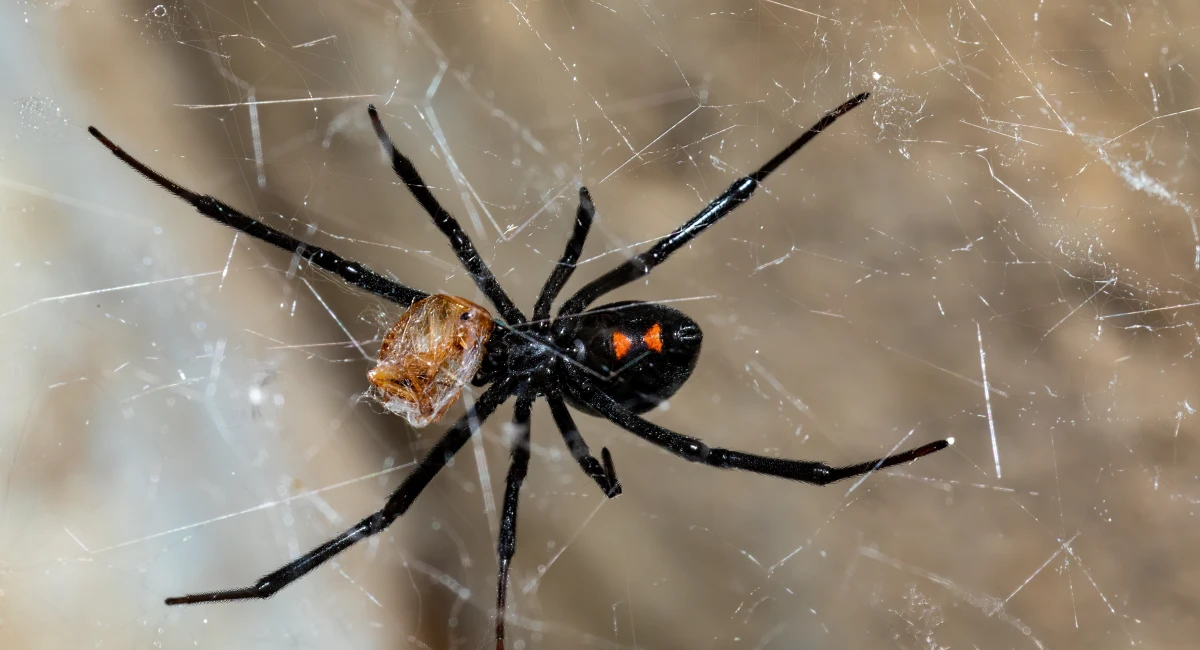
The northern black widow (Latrodectus variolus) is one of the most recognizable and is a species to watch out for in New England. Distinguished by its glossy black body and characteristic red markings on its abdomen, it is considered the area's most venomous spider. While encounters are relatively uncommon, understanding its habits, habitat, and behavior is useful for any property owners across Maine, Massachusetts, New Hampshire, Rhode Island, and Vermont.
These spiders only bite when they’re trapped or disturbed, but due to their tendency to hide in dark,secluded areas or inside clothing, they can be a concern for any business that has storage areas or where maintenance access to areas such as crawl spaces is needed.
Species: Latrodectus variolus
Season: Spring through fall
Size: 1.5 inches (38mm)
Region: Throughout the USA
Concern: Highly venomous bites that may require medical treatment
Are Northern Black Widow Spiders Dangerous?
This is venomous, but northern black widow bites are uncommon, and serious outcomes are rare in otherwise healthy adults. They typically occur when the spider is accidentally disturbed, with symptoms including localized pain, muscle cramping, and mild nausea. Most people recover without significant complications, though children, the elderly, and those with underlying health conditions may experience stronger reactions.
Struggling with Spiders?
Call now to book your free inspection.
Appearance
The northern black widow is a small but distinctive spider, easily identified by a combination of key features:
- Color: Deep, glossy black body with a smooth, rounded abdomen
- Markings: Red or orange markings on the underside of the abdomen, often in a broken hourglass pattern, unlike the solid hourglass of its southern cousin
- Legs: Long, slender black legs that give the spider a delicate but striking appearance
- Eyes: Eight small eyes arranged in two rows, typical of the widow spider family.
Behavior
The northern black widow is a solitary, reclusive spider that prefers to avoid human contact whenever possible. It is most active at night, retreating to the safety of its web during the day. Rather than hunting actively, it relies on its irregular, tangled web to trap prey: typically, insects. Females are significantly larger than males and are the ones you’re most likely to see, as males tend to wander in search of a mate before dying shortly after reproduction.
Habitat
Their typical habitat is a dark, sheltered, and undisturbed environment where they can spin their webs without interference. Outdoors, they are commonly found in woodpiles, stone walls, hollow logs, and under garden furniture. When they venture indoors, they tend to settle in basements, crawl spaces, garages, and sheds. The northern black widow range is extensive. Across New England, they are most active during the warmer months but can remain present year-round in sheltered indoor environments.
Professional Removal & Prevention
At JP Pest Services, we take a targeted approach to removing northern black widows. We combine specialist treatments with practical prevention measures to keep your property protected.

Specialized Perimeter Barriers
One of the most effective ways to prevent northern black widows from entering your home is to apply specialized perimeter barriers. Our technicians treat the exterior of your property, targeting the entry points, foundation edges, and sheltered areas where black widows are most likely to establish themselves. This creates a protective barrier that deters spiders from moving indoors, particularly during the fall when spider activity increases across New England.
Web & Egg Sac Removal
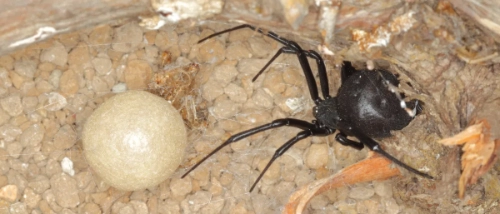
Physically removing a northern black widow web and egg sacs is a crucial part of any black widow treatment. A single egg sac can contain hundreds of eggs, meaning that leaving them in place significantly increases the risk of a growing infestation. Our technicians carefully locate and remove webs and egg sacs from both indoor and outdoor areas of your property, reducing the existing population and preventing the next generation from hatching.
Book a free inspectionFrequently Asked Questions About Northern Black Widow Spiders
Black widow egg sacs are small, creamy white to tan spheres, about the size of a marble, with a slightly tough, textured outer casing. Found in dark, sheltered areas like basements or woodpiles, if spotted near a glossy black spider, treat them with caution and contact a pest control professional.
No. Northern black widows are reclusive spiders with no interest in pursuing humans. They are defensive by nature and will only bite if they feel directly threatened, such as when accidentally pressed against the skin or disturbed in their web. If encountered, the spider's instinct is to retreat rather than attack. Simply giving it space and avoiding direct contact is enough to prevent any interaction.
A single northern black widow sighting doesn't indicate an infestation, as they are solitary. However, favorable, undisturbed locations (woodpiles, cluttered basements, sheltered outdoor areas) can harbor more unseen spiders. A professional inspection is the best way to confirm the extent of the issue.
Yes, northern black widows are well-adapted to survive cold New England winters. They typically enter a state of reduced activity during the colder months, sheltering in protected environments such as basements, garages, and woodpiles where temperatures remain relatively stable. Unlike many other spider species, they do not die off in winter, meaning an existing population can persist and become active again as temperatures rise in spring.