© 2026 Rentokil Initial plc © JP Pest Services. All Rights Reserved.
If you see a large roach racing across your floor, it’s not just unsettling: it can be much more serious. Read on about how to recognize American cockroaches, to understand their “palmetto bug” nickname, how to deter them, and what to do if you have an infestation.
Quick Facts About American Cockroaches
- Adults typically measure 1.5 to 2 inches long.
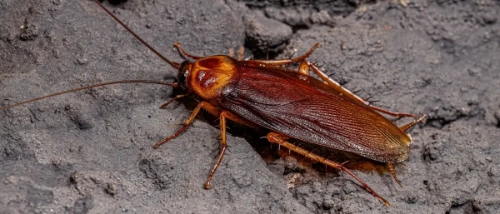
- Their reddish-brown bodies have a pale yellow border behind the head.
- Warm, damp spaces provide their preferred shelter.
- Most activity happens after dark.
- “Palmetto bug” is a nickname, but not a precise species identification.
What Are American Cockroaches?
The American cockroach, Periplaneta americana, is a large, reddish-brown insect with long antennae, wings, and a pale yellow border behind its head. Its flattened body helps it squeeze into narrow hiding places.
“Are palmetto bugs roaches?” Yes. The nickname describes several large cockroaches, including American Cockroaches.
These fast-moving scavengers can contaminate your food and surfaces while remaining hidden and slowly breeding.
Seeing American Cockroaches?
Call now to book your free inspection.
Are American Cockroaches Dangerous?
While American cockroaches rarely bite humans, they pose severe health hazards as passive disease vectors. Feeding on filth, drains, and decaying matter, their bodies collect pathogens that contaminate dishes, kitchen surfaces, and food. They spread debilitating bacterial illnesses, including salmonellosis, dysentery, cholera, typhoid fever, and gastroenteritis.
Their shed skins, saliva, and droppings also contain proteins that trigger allergic reactions and severe asthma attacks, especially in vulnerable children, the elderly, or anyone with respiratory conditions.
Habitat, Diet, Life Cycle, and Behaviors
Why do these pests keep appearing despite the best cleaning efforts? Well, food is only part of the picture. Understanding their need for warmth, water, and hidden shelter helps you identify trouble spots and makes your property less inviting.
In New England, look for American cockroaches all year round in warm basements, boiler rooms, laundry rooms, sewer systems, and utility tunnels. Your apartment building, home, or warehouse can provide shelter where plumbing leaks, damp foundations, and heated spaces overlap.
These scavengers eat food scraps, sweets, grease, decaying material, and dead insects. They may also consume paper and bookbinding glue. In your kitchen or stockroom, overlooked spills and accessible waste can keep American cockroaches well supplied.
American cockroaches develop through three stages: egg, nymph, and adult. Every month, females deposit egg cases in protected, sheltered locations with 14-16 eggs in each one. Young cockroaches, called nymphs, shed their skins repeatedly as they grow, with development strongly influenced by temperature.
American cockroaches usually forage at night and retreat into dark crevices when disturbed. They move between shelter, water, and food sources. Shared plumbing and utility openings can provide pathways through your building, complicating control efforts.
Industries We Serve
Our services include comprehensive inspections, monitoring, and targeted treatments to effectively address infestations, as well as pest exclusion to keep them out and prevent their return. Industries we help to protect include:
Signs of American Cockroach Infestation
Look beyond the occasional sighting for these clues:
- Repeated sightings: Large, reddish-brown roaches appearing after dark, especially near plumbing or basement walls.
- Droppings: Dark, cylindrical pellets around hiding places, sometimes mistaken for mouse droppings.
- Egg cases: Small, brown, capsule-shaped cases tucked into cracks or storage areas.
- Shed skins: Lightweight remnants left behind as young cockroaches grow.
- Musty odors: A persistent, unpleasant smell where cockroaches gather.
How to Get Rid of an American Cockroach Infestation
Start by removing the attractants that keep them coming and then identify how they’re getting in:
- Confirm the species: Photograph or safely contain a specimen so a pest professional can identify the species.
- Track activity: Place sticky traps along walls near suspected hiding spots, ensuring they’re out of reach for children and pets.
- Remove food sources: Clean under equipment, wipe away grease, seal stored food, and empty covered waste containers regularly.
- Address moisture: Repair leaks, manage condensation, and ask your maintenance team or plumber to investigate recurring drainage problems.
- Block access: Seal gaps around utility penetrations and repair door sweeps with Flexi Armour. Coordinate repairs across adjoining units when necessary.
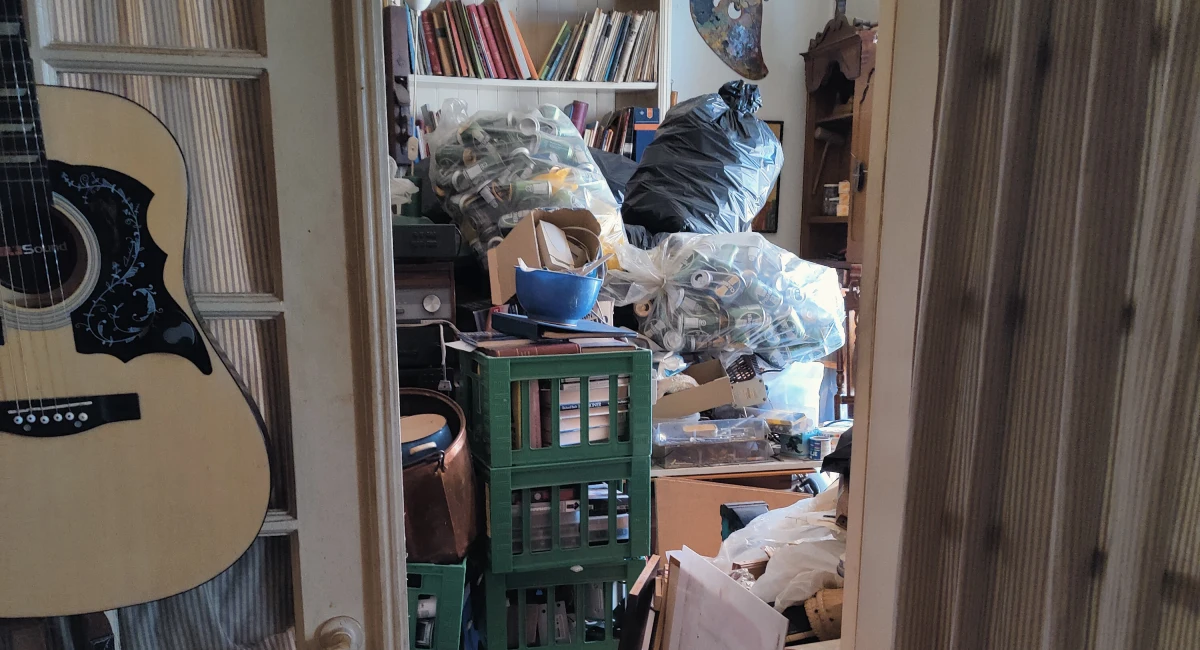
- Reduce shelter: Remove unnecessary cardboard and clutter, particularly from damp basements, stockrooms, and loading areas.
- Use pesticides carefully: Follow label directions. Never pour pesticides into drains or place products where they could contaminate food.
- Arrange targeted treatment: JP Pest Services provides inspections, proven customized treatment plans, baits, gel applications, exclusion techniques, and follow-up monitoring.
When You Need a Pest Control Professional in New England
If your cleaning routine is thorough, but you’re still spotting roaches and egg cases in multiple rooms, then your property needs professional help.
At JP Pest Services, we’ve served New England for over 90 years. Our Integrated Pest Management (IPM) combines sanitation, prevention, exclusion, targeted control, and follow-up monitoring. We also offer businesses 24/7 access to audit-ready documentation.
Frequently Asked Questions
Yes. Adults can fly short distances or glide, especially in warm conditions, although they usually run when disturbed. Young cockroaches lack fully developed wings and can’t fly.
Adults can live about a year. But their overall lifespan is longer because it takes many months, depending on conditions, for them to reach adulthood.
Bites are possible but rare. American cockroaches don’t normally seek people as a food source. Your main concerns are food contamination and exposure to allergens, rather than biting.
They can spread bacteria by moving from contaminated areas onto your food and surfaces. Plus, their waste contributes to allergy and asthma triggers.
In your business, persistent activity also undermines sanitation, disrupts operations, and damages customer confidence.