© 2026 Rentokil Initial plc © JP Pest Services. All Rights Reserved.
If you spot a shiny, dark oriental cockroach then you’re right to be concerned, as it’s not only creepy, but it can spread disease. Read about what attracts these pests (often it’s nearby moisture), how to recognize them, and how you can protect your New England property.
Quick Facts About Oriental Cockroaches
- Glossy dark brown to black, usually around 1 inch long.
- Lives in cool, damp basements, crawl spaces, drains, and outdoor debris.
- Eats decaying organic matter, food scraps, garbage, and starchy materials.
- Primarily nocturnal. Neither males nor females can fly.
- Can contaminate food and surfaces, spread disease, and cause allergies.
What Are Oriental Cockroaches?
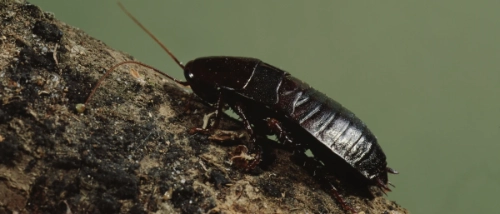
Oriental cockroaches (Blatta orientalis) are broad, glossy cockroaches with dark brown to nearly black bodies, long antennae, and six spiny legs.
Adults measure approximately 1 to 1¼ inches long. Males have shortened wings; females have small wing pads.
Often called “water bugs,” they favor damp environments. If you’ve seen a black and red cockroach, color alone isn’t enough to confirm this species.
Seeing Oriental Cockroaches?
Call now to book your free inspection.
Are Oriental Cockroaches Dangerous?
Although oriental cockroaches seldom bite people, they represent a health risk due to the dangerous pathogens they carry. Wandering through sewage, garbage, and decomposing material, these insects pick up bacteria on their bodies that quickly pollute cooking areas, utensils, and open food products. Coming into contact with these pests can result in severe infections, including salmonellosis, dysentery, cholera, typhoid fever, and gastroenteritis.
In addition to spreading diseases, their cast-off skins, fecal matter, and secretions harbor powerful allergens. These substances can spark allergic responses or trigger asthma attacks, particularly in young children, seniors, and individuals with weakened immune systems. Timely pest control services are crucial for re-establishing a secure and healthy environment.
Habitat, Diet, Life Cycle, and Behaviors
Where these roaches hide, feed, and reproduce is all linked to moisture. By understanding their habits, you can spot trouble earlier, whether you’re checking your basement, managing apartments, or inspecting a warehouse’s utility areas.
Look in your basement, crawl space, floor drains, and around leaking pipes. Outdoors, they shelter beneath leaves, mulch, and debris. In New England, spring rain and snowmelt can create inviting moisture around foundations and lower floors.
These scavengers feed on decaying plants, garbage, sewage, and food scraps. They also consume starchy materials. Crumbs under appliances, residue inside waste containers, and organic buildup around drains can help sustain an oriental roach infestation.
Their life cycle includes eggs, nymphs, and adults. Females produce about 128 eggs in a lifetime in protective ‘ootheca’ egg cases that they leave in sheltered locations. Wingless nymphs molt as they grow, taking approximately nine months to two years to mature, depending on conditions.
Oriental cockroaches typically hide during daylight and forage after dark. They struggle to climb smooth surfaces, so activity often stays near ground level. They can get into a property through building foundations and openings around plumbing.
Industries We Serve
Our services include comprehensive inspections, monitoring, and targeted treatments to effectively address infestations, as well as pest exclusion to keep them out and prevent their return. Industries we help to protect include:
Signs of Oriental Cockroach Infestation
Check dark, damp, and secluded areas for these warning signs:
- Live roaches: Shiny, dark insects near drains, basement walls, or utility areas, especially after dark.
- Droppings: Dark pellets or specks along floor edges and around hiding places.
- Egg cases: Dark brown, capsule-shaped cases tucked beneath debris or inside protected gaps.
- Shed skins: Empty outer coverings left behind by growing nymphs.
- Musty odors: Persistent, unpleasant smells where cockroaches gather.
How to Get Rid of Oriental Cockroaches
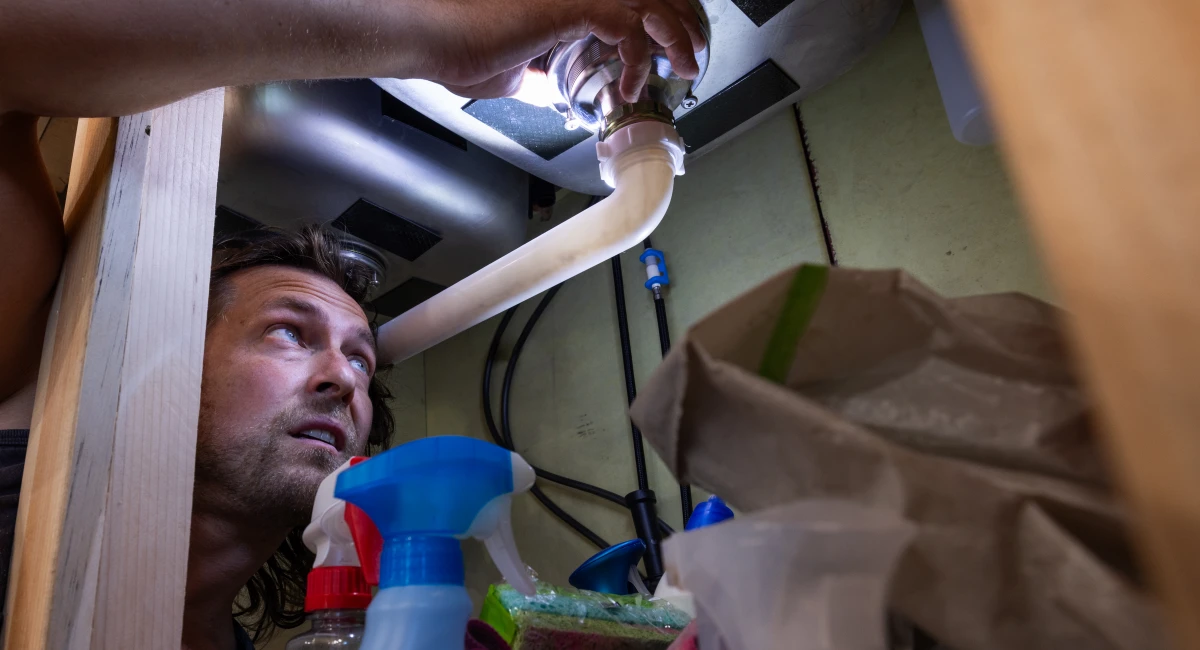
Are you wondering how to get rid of oriental cockroaches? Start by removing moisture, limiting food, and blocking access:
- Confirm the species. Photograph or safely contain a specimen for identification before choosing treatment.
- Fix moisture problems. Repair leaks, improve drainage, and use a dehumidifier in your basement or crawl space if appropriate.
- Maintain drains. Remove organic buildup; assess plumbing defects and dry drain traps; never pour pesticides into drains unless explicitly permitted.
- Remove food sources. Clean under equipment, store food securely, and regularly empty and wash waste containers.
- Close entry points. Seal foundation cracks and gaps around pipes, and repair damaged exterior door sweeps.
- Reduce outdoor shelter. Remove wet leaves and debris near foundations, and keep mulch from touching sidings.
- Monitor activity. Place sticky traps monitors along sheltered floor edges, away from children and pets, and record where roaches appear.
- Choose treatments carefully. Follow pesticide labels exactly; avoid relying on foggers or indiscriminate spraying to reach hidden populations.
- Coordinate across your property. For apartments and commercial sites, share sightings with maintenance teams and address connected spaces.
- Get tailored help. Contact JP Pest Services for a free assessment when activity persists or affects sensitive areas.
When You Need a Pest Control Professional in New England
Persistent sightings across multiple rooms or finding egg cases signal a hidden infestation requiring professional action.
With 90+ years of experience in New England, JP Pest Services solves cockroach infestations using Integrated Pest Management (IPM), combining sanitation, exclusion, targeted treatments, and monitoring. Commercial clients also receive 24/7 audit-ready documentation.
Frequently Asked Questions
No. Males have wings that cover only part of their abdomen, while females have small wing pads.
Neither can fly, so you’d usually encounter them crawling near ground level.
Development to adulthood can take 9 months to 2 years, depending on temperature and other conditions. After that, adults survive for several months.
Oriental cockroaches don’t typically bite people.
The main concern is about preventing contamination and reducing exposure to cockroach allergens.
They can carry bacteria from waste areas onto your food and surfaces, and their remains can contribute to allergies.
Persistent activity can also signal moisture problems that need attention alongside pest treatment.