© 2026 Rentokil Initial plc © JP Pest Services. All Rights Reserved.
Finding a brown-banded cockroach is alarming, especially as they can spread disease. Read about how to identify brown-banded cockroaches, what attracts them, what the signs of infestations are, and how to prevent them from invading your New England home or business.
Quick Facts About Brown-Banded Cockroaches
- Adults measure about ½ inch long.
- Two pale bands cross their wings or bodies.
- They prefer warm, dry spaces, often above floor level.
- Males can fly; females cannot.
- Hidden egg cases make infestations difficult to eliminate.
What Are Brown-Banded Cockroaches?
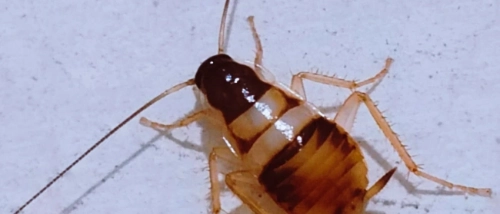
Brown-banded cockroaches (Supella longipalpa) are small indoor pests with oval bodies, long antennae, and two pale bands across their wings or abdomen.
Adults grow about ½ inch long. Males are slimmer, while females have broader bodies and shorter wings.
Unlike moisture-loving cockroaches, they favor dry spaces, making your furniture, offices, and bedrooms potential hiding places.
Seeing Brown-Banded Cockroaches?
Call now to book your free inspection.
Are Brown-Banded Cockroaches Dangerous?
While brown-banded cockroaches rarely bite humans, they can transmit harmful pathogens. As they crawl through waste, sewers, and decaying organic matter, their bodies gather microbes that can contaminate kitchen surfaces, utensils, and unsealed food supplies.
Exposure to these pests can lead to serious illnesses such as salmonellosis, dysentery, cholera, typhoid fever, and gastroenteritis. Beyond carrying disease, their shed exoskeletons, droppings, and saliva contain allergen proteins. These contaminants can trigger severe allergic reactions or provoke asthma attacks, especially among children, elderly individuals, and immunocompromised residents. Prompt professional pest intervention is essential to maintain a healthy living environment.
In food-handling, healthcare, and other sensitive environments, brown-banded cockroaches can undermine customer confidence, contaminate products, and lead to sanitation audit failures, fines, or even closure.
Habitat, Diet, Life Cycle, and Behaviors
Think cockroaches only hide beneath sinks? This species breaks that pattern. Understanding where they shelter, what they eat, and how they reproduce helps you inspect overlooked areas and avoid treating the wrong places.
In New England, heated buildings provide suitable shelter year-round. Check your upper cabinets, furniture joints, picture frames, and warm electronics. Bedrooms, offices, apartment units, and warehouse break rooms can offer the dry hiding places they prefer.
These scavengers eat crumbs, sweets, grease, and pet food. They also consume starch-based adhesives in wallpaper and book bindings. Even when your kitchen looks spotless, overlooked food residue and other materials can help sustain them.
Their life cycle includes eggs, nymphs, and adults. Females attach ‘oothecae’ egg cases to sheltered surfaces, producing 140 to 250 cockroaches in her lifetime. Young cockroaches hatch and shed their skins as they grow. Eggs take roughly 50-70 days to hatch, depending on temperature and conditions.
Mostly active at night, these cockroaches hide in narrow crevices during daylight. They climb walls and shelter above floor level. Infested furniture, boxes, and equipment can carry them into your property, allowing problems to spread unnoticed.
Industries We Serve
Our services include comprehensive inspections, monitoring, and targeted treatments to effectively address infestations, as well as pest exclusion to keep them out and prevent their return. Industries we help to protect include:
Signs of Brown-Banded Cockroach Infestation
Look beyond your kitchen for these clues, especially in warm, elevated hiding places:
- Live cockroaches: Small, banded insects around furniture, upper cabinets, or electronics, particularly after dark.
- Droppings: Dark specks or smears near sheltered crevices and resting spots.
- Attached egg cases: Small, yellowish-brown capsules fixed beneath furniture or inside cabinets.
- Shed skins: Empty, papery coverings left behind as young cockroaches grow.
- Repeated trap catches: Cockroaches appearing in monitors across rooms, units, or work areas.

How to Get Rid of Brown-Banded Cockroaches
Combine these practical steps with professional guidance from JP Pest Services to eliminate and prevent infestations:
- Confirm the species. Save clear photographs or trap specimens so your pest professional can identify it accurately.
- Inspect high and low. Check upper shelving, furniture undersides, wall decorations, and equipment exteriors, not just sinks and floors.
- Monitor activity. Place sticky traps by suspected hiding places, plus record locations and catches to identify patterns.
- Remove food sources. Clean crumbs and grease, seal stored food, and empty trash regularly. Include offices, break rooms, and storage areas.
- Reduce hiding places. Remove unnecessary cardboard and clutter. Inspect furniture, deliveries, and equipment before moving them through your property.
- Coordinate across spaces. If you manage apartments or commercial premises, investigate nearby units or rooms as well as treating sites with confirmed activity.
- Use pesticides carefully. Follow every label direction and keep them away from children, pets, food, and sensitive equipment.
- Skip foggers. They may miss protected hiding places and disperse cockroaches. Never spray inside electronics or electrical fixtures.
- Arrange follow-up checks. Continue monitoring after treatment; fewer sightings alone don’t confirm that hidden populations are gone.
When You Need a Pest Control Professional in New England
If you see egg cases or cockroaches across multiple rooms despite rigorous cleaning, then you almost certainly have hidden roach nests, and your property requires professional intervention.
Serving New England for over 90 years, JP Pest Services addresses roach infestations with Integrated Pest Management (IPM). This integrates sanitation guidance, exclusion, targeted treatments, and ongoing monitoring based on proven pest behavior. Commercial clients also gain 24/7 access to audit-ready documentation to help ensure regulatory compliance.
Frequently Asked Questions
Yes, adult males can fly short distances, particularly when disturbed, but they prefer to run. Females have shorter wings and can’t fly; immature cockroaches are also flightless.
Their full development to adulthood takes months, and depends on the conditions. Once adults, they can live for several more months, with the temperature and access to food influencing how quickly your infestation grows.
They aren’t known as biting pests, and bites aren’t a common concern. Your main priorities are preventing contamination and reducing allergen exposure.
They hide throughout your property, attach egg cases to concealed surfaces, and can travel inside furniture or equipment. Their contamination and allergen risks make prompt action important.