© 2026 Rentokil Initial plc © JP Pest Services. All Rights Reserved.
Fruit flies are notorious for infesting kitchens and bar areas, drawn to sugary spills, ripe produce, and damp surfaces that offer perfect breeding grounds. One minute, you're prepping food; the next, you're swatting at tiny insects buzzing around chopping boards, mixing bowls, or sinks. They are disruptive, unhygienic and a legal nightmare for commercial, and food service kitchens. A fruit fly problem can quickly escalate when there is a consistent food source, and can be impossible to manage without professional help.
Species: Family Drosophilidae
Season: Autumn, Winter
Size: Three to four mm
Region: Throughout the U.S.
Fruit Fly Exterminators in New England
JP Pest Services offers fruit fly extermination that starts with finding where the problem begins. Our technicians check drains, trash areas, food storage, and other hidden spots where fruit flies breed. Then, we use targeted treatments and give you practical tips to cut down on flies and prevent them from coming back.
We also help you address sanitation and moisture problems that often cause fruit flies to return. This step is just as important as treatment, since lasting control means getting rid of what attracts them in the first place.
If fruit flies are causing problems in your home or business, don’t wait–contact your trusted fruit fly exterminator today. Our local team offers simple solutions made for New England, and you can count on our service to help you reclaim your space.
Struggling with Flies?
Call now to book your free inspection.
Identifying Fruit Flies
Fruit flies are tiny and not always easy to spot. Even a single piece of overripe fruit or a missed spill can trigger rapid population growth, making these pests a constant challenge for homeowners, hotels, restaurants, and other commercial businesses. This section explains how to recognize adult fruit flies, their larvae, and other clues that point to brewing trouble.
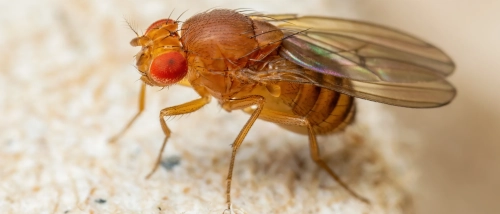
What Do Fruit Flies Look Like?
Adult fruit flies have tan or light brown bodies with red or dark-colored eyes and may appear almost translucent. Their small size enables them to effortlessly slip through the smallest gaps, allowing them to invade your home or business.
They lay eggs on moist or decaying surfaces. Once hatched, their larvae look like tiny white worms, often found near overripe fruit or sink drains. Lifting a damp kitchen sponge or moving a neglected banana on the counter can reveal clusters of larvae feeding nearby, turning everyday tasks into grim discoveries.
Signs of Fruit Fly Infestation
It could be the beginning of a fruit fly infestation if you notice tiny flies hovering around your kitchen, especially near fruit, trash cans, or drains. Other signs to look out for are:
- Clusters of flies near open bottles or spilled drinks
- Larvae crawling on moist surfaces like dish rags or compost bins
- A sudden increase in small flying insects after bringing home produce
You might see them swarm around a fruit bowl, when you lift a trash can lid, or walk into a room after a few days away. In restaurants, they can linger around bar mats or drains, catching staff off guard during prep time. At this point, it might be worth reaching out to the professionals for help.
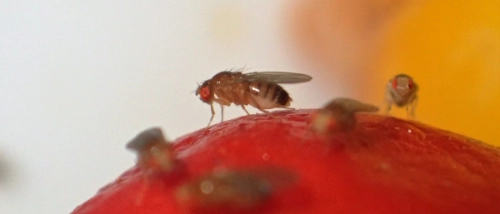
Main Cause of Fruit Flies
Fruit flies are attracted to fermenting or decaying organic matter. Open wine bottles, spent fruit, and dirty mops provide perfect breeding grounds. Fruit flies often enter homes through open doors and windows or hitch a ride on produce from the grocery store.
Once inside, they seek out any available food source and begin breeding. Eggs are laid on moist surfaces, often where food is left out or improperly stored. Mesh covers over fruit, for example, can be an effective deterrent, but they can easily slip under this barrier if not fully sealed and start to feed on the fruit.
Fruit Fly Behaviors, Diet, Habitat & Life Cycle
Sugars in ripe or fermenting fruits and vegetables are major attractants for fruit flies. They’re also drawn to vinegar, beer, and other fermented liquids. They thrive in places where moisture and organic residue build up, like sink drains, mops, or trash bins.
Their life cycle begins when a female lays eggs near a food source. Larvae emerge within 24 to 30 hours, feeding until they pupate and develop into adults, ready to start the cycle again. Under ideal conditions, this process takes just eight to ten days. With a lifespan of around 25 days, they reproduce rapidly, and populations can spike in September and November, especially in warmer interior environments. Understanding these behaviours is essential for determining when to engage professional fruit fly control.
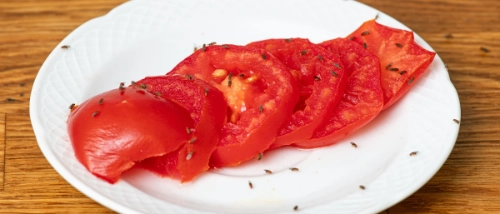
Fruit Flies Health Risks
In commercial businesses a fruit fly infestation may lead to failed inspections and temporary business closure. You may also face steep financial penalties and risk losing customers in the short or long term. Equally, homeowners need to also be vigilant of fruit flies, as they can spread germs and bacteria that could lead to foodborne illnesses.
Common Places Targeted by Fruit Flies
Countertops and organic build up are obvious targets for fruit flies, but you also need to consider less conspicuous locations for effective prevention and pest control. Whether your protecting your home or business, feeding and breeding sites include:
- Overripe or rotting fruits and vegetables: A forgotten fruit bowl or spoiled produce in the fridge can quickly attract flies.
- Unrinsed recycling or garbage bins: Residual liquids in bottles or leftover food scraps in the trash provide the perfect mix of moisture and decay for breeding.
- Kitchen drains or garbage disposals: Moist, food-coated pipes are ideal hiding and breeding spots, especially when not cleaned regularly. If your drain or trash bin becomes infested, it can lead to rapid breeding and spread.
- Empty bottles or cans with residue: Sticky liquids like juice, soda, or alcohol draw flies instantly, particularly in bar or kitchen settings.
- Damp mops or sponges: Often left out between uses, these items collect organic debris and moisture. Two things fruit flies love.
- Compost bins or potted plants with wet soil: Decaying matter in compost or overly watered soil offers a protected space for egg-laying and larval development.
The experts at JP Pest Services are trained in the latest integrated pest management techniques. This combines inspection, prevention, and follow-up services to eliminate the present infestation and protect your property in the long term.
How to Get Rid of Fruit Flies
Fruit flies can thrive on messy areas and prevention is key to protecting your space. To get rid of fruit flies we recommend that you:
Remove Breeding Sources
Get rid of overripe produce, clean trash bins, drains, and sticky surfaces, rinse recyclables before storing, and avoid leaving dirty dishes overnight. Sealed containers and proper food storage help reduce attraction.
Target High-Risk Areas In Commercial Spaces
In commercial kitchens and bars, empty and clean bar mats, soda guns, and recycling bins to remove sugary residue that attracts adult fruit flies.
Address Ongoing Infestations At The Source
Persistent fruit fly issues require identifying the root cause. Targeted treatment focuses on key areas and all life stages, from eggs and larvae to adults, to prevent the problem from returning.
For ongoing problems, professional treatment is key to prolonged protection. Experienced technicians at JP Pest focus on identifying the root cause of the infestation. They use targeted treatments to eliminate fruit flies in key areas and at all life stages. From eliminating eggs, and larvae, to adults, our team knows how to stop them from coming back.
Frequently Asked Questions
Fungus gnats and drain flies are commonly mistaken for fruit flies due to their similar size. However, fungus gnats tend to hover near soil and houseplants, while drain flies are more common around sinks and pipes. These flies are most often seen around fruit, sugary drinks, and other fermenting materials.
Fruit flies are attracted to carbon dioxide and moisture, both of which humans emit. If you've recently handled food or are near an area where they’re active, they may hover near your face, hands, or even your drink.
Female fruit flies can lay hundreds of eggs, usually near or on moist, fermenting material like overripe fruit, food spills, or dirty dish rags. Once laid, these eggs hatch quickly—sometimes within 24 hours.
Typically, fruit flies are not aggressive. They don’t bite or sting, but they can become a major nuisance due to how quickly they multiply. Their constant hovering near food and drinks can also be unhygienic and annoying.