© 2026 Rentokil Initial plc © JP Pest Services. All Rights Reserved.
Flesh flies belong to the Sarcophagidae fly family, which exhibits diverse behaviors. Unlike fruit or drain flies, flesh flies are drawn to protein-rich decay, often originating from dead animals or hidden organic waste. Most species are considered tropical, although the family is widespread across the United States, including Northeastern regions. They thrive in warmer seasons and are frequently encountered near trash bins, compost piles, or anywhere with decomposing organic matter. These insects have short lifespans but reproduce quickly, making them a nuisance for homeowners and businesses.
Species: Sarcophaga bercaea
Season: Spring, Summer, Autumn, Winter
Size: 10 – 13 mm
Region: Throughout the U.S.
Flesh Fly Control in New England
Flesh flies are more than just a nuisance in New England homes and businesses. If you see these large flies, it usually means there is a bigger problem, such as decaying material, a dead rodent, or a sanitation issue nearby. This is where we can help.
At JP Pest Services, we use a straightforward approach to control flesh flies. We begin by finding the source of the problem, since just treating the flies will not fix it for long. Our technicians check your property, find breeding spots, and suggest treatments that help reduce current flies and prevent them from coming back.
We also explain what might be attracting flesh flies in the first place. Small changes in how you handle waste, clean up, or keep flies out can make a big difference, especially during New England’s warmer months when flies are most active.
If flesh flies keep returning, you do not have to handle it alone. We are local, experienced, and ready to protect your space with simple solutions that work for your home or business.
Struggling with Flies?
Call now to book your free inspection.
Flesh Flies Identification & Behavior
Flesh flies are easy to spot once you know what to look for, but their behavior often raises more questions than answers. Understanding how these flies live, feed, and reproduce can help explain why they suddenly appear indoors or around your property.
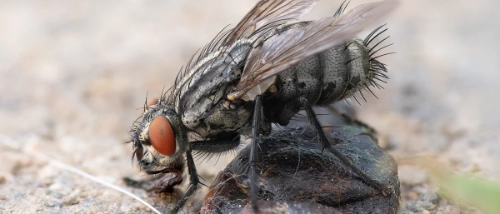
What Do Flesh Flies Look Like?
Flesh flies are similar in appearance to the common house fly. They have black-colored stripes on the thorax and a dark gray checkered pattern on the abdomen. Many species are scavengers, with larvae developing in or on open wounds and carcasses. Depending on the species, females may deposit either live larvae or eggs.. Their red eyes and bristled bodies give them a distinctive look. Measuring up to half an inch in length, they may appear sluggish indoors but are surprisingly quick to find rotting matter where they can deposit flesh fly larvae.
There are hundreds of flesh fly species found in North America, with some more common in certain regions or seasons. While most share similar habits, some species are known to cause greater concern due to their link with wound infestations or animal health.
Signs of Flesh Fly Infestation
This fly species will congregate around windows, near light fixtures, or close to trash cans where food and breeding opportunities are abundant. Their presence may be accompanied by a strong, foul odor, often the result of a concealed carcass or spoiled waste. If adult flies appear indoors, especially in unusual areas, it’s worth investigating further. The sudden appearance of maggots or larvae around baseboards, drains, or vents can signal a breeding site nearby.
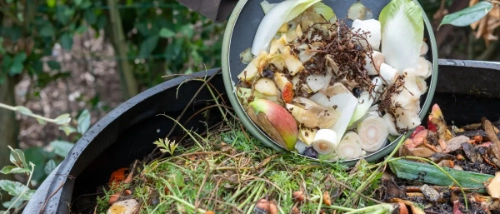
Main Cause of Flesh Flies
Decaying organic material lures flesh flies to exposed garbage, pet waste, and dead animals. Infestations usually begin when a rodent, bird, or other small animal dies in a concealed space, such as a wall cavity, attic, or under floorboards, creating an irresistible breeding site. Because these areas are out of sight, the problem can grow undetected until adult flies begin to appear indoors. Warm weather accelerates the flesh fly life cycle, allowing populations to increase quickly if the source isn’t located and swiftly removed.
Diet, Habitat & Life Cycle of Flesh Flies
The flesh fly life cycle can be as short as two weeks. Female flies lay live larvae on decaying material, such as animal carcasses, feces, or spoiled food. The larvae feed and grow over several days before entering the larval stage (molting), then burrow into the ground or cracks to pupate. From there, adult flies emerge, ready to continue the cycle.
Since flesh fly larvae and adults feed on decaying matter, compost bins, trash containers, and dead animals are ideal food sources. They have an acute sense of smell, and even the slightest hint of decay is enough to attract a swarm, so keeping bins and trash cans covered is a practical solution to help prevent infestations.

Flesh Flies Danger and Health Risks
While they don’t usually bite, flesh flies can spread pathogens from the feeding sites to household surfaces. In rare cases, flesh fly bites or skin irritation may occur if larvae come into contact with open wounds. This can be as extreme as causing myiasis (painful skin sores) by laying larvae in open wounds, including on humans, potentially leading to infection and tissue damage. That’s why even a small infestation should be addressed quickly.
Another concern is their potential to contaminate food, which can result in food poisoning or gastrointestinal infections.
The best way to mitigate these risks is to remove potential breeding grounds and maintain high sanitation standards, especially in kitchens, bathrooms, and areas where food or organic waste can build up. As always, any health concern should be discussed with a healthcare provider.
Common Places Targeted by Flesh Flies
Flesh flies seek out environments that offer both warmth and food. Typical locations where they may breed or gather in large numbers include:
- Outdoor compost heaps, especially those with uncovered or rotting food waste
- Trash containers and dumpsters with poor sealing or infrequent emptying
- Dead wildlife or small animals around a property
- Kitchens with unsealed garbage or organic spills
- Bathrooms or laundry areas with plumbing issues or standing water
- Attics, crawl spaces, or wall voids with hidden animal carcasses
Homes with pets are at higher risk, especially if pet food or waste isn’t cleared away after every meal or where pets prefer to graze and eat throughout the day. Leaving food uncovered for extended periods allows flies to spread bacteria and infect their food and other surfaces.
How to Get Rid of Flesh Flies
To effectively manage and reduce flesh fly activity, focus on eliminating breeding grounds and limiting access to food sources:
Inspect Hidden Spaces For Sources Of Decay
Check crawl spaces, wall voids, and attics for animal remains, decay, or pest activity that could attract flies.
Manage Waste And Organic Material
Dispose of food waste promptly using sealed bins, keep compost covered and maintained, and remove pet waste from yards or litter areas to reduce organic attractants.
Eliminate Moisture And Organic Buildup
Clean kitchen and bathroom drains regularly to remove buildup, and repair plumbing leaks or damp areas that create organic-rich environments.
While these steps may reduce or prevent infestations, DIY methods usually offer short-term relief. Our technicians take a comprehensive approach to flesh fly control. They are trained to identify sources, treat the problem, and help protect your home in the long-term.
Frequently Asked Questions
Flesh flies (Sarcophagidae) are robust, gray flies measuring about ⅜ to ½ an inch. They have three dark stripes down their thorax and a unique checkered, "chessboard" pattern on the abdomen. They often appear "dusty" or matte gray, so they haven’t the metallic sheen of blow flies and they are significantly larger than common house flies.
They are mainly scavengers attracted to decaying organic matter, animal waste and the decaying flesh of animals. In the New England tri-state area, we frequently see flesh fly surges in suburban homes after a householder’s DIY effort has trapped a rodent, but it hasn’t been properly removed from an attic or crawlspace.
Unlike most flies, many flesh fly species are ‘ovoviviparous’. This means the female deposits live larvae (maggots) directly onto food instead of laying eggs. This "head start" lets the larvae feed immediately, so flesh fly infestations seem to appear overnight in Massachusetts and New Hampshire homes.
From larva to adult typically takes 2 to 4 weeks. As they bypass the egg-hatch stage, the "maggot phase" is highly visible almost instantly. If you see large, active maggots crawling away from a source toward baseboards, they are looking for a dry place to pupate and become adult flies within days.
Flesh flies are "biological detectives." If they’re indoors, it almost always points to a dead animal, such as a squirrel, mouse, or bird trapped in a chimney, wall void, or vent. They are also attracted to poorly managed compost or heavy pet waste near entryways.
The "Hidden Source" Warning
Seeing large, checkered flies or maggots in your home? This is usually a sign of a dead rodent hidden in your walls or attic. Find out more about Fly Control Service or ask for a combined rodent and fly inspection.