© 2026 Rentokil Initial plc © JP Pest Services. All Rights Reserved.
A drain fly will lay its eggs near broken-down, organic material. In ideal conditions, females can lay 30-100 eggs every two days, with multiple generations produced each season. Because of this rapid reproduction, drain fly populations can grow out of control quickly, becoming a significant nuisance for homeowners. Often found in damp environments, these flies thrive in kitchens, bathrooms, and storm drains, especially near clogged or poorly maintained drain traps.
Species: Family Psychodidae
Season: Spring, Summer, Autumn, Winter
Size: 1.5 to 5 mm
Region: Throughout the U.S.
Drain Fly & Sewer Fly Control in New England
Drain flies and sewer flies often show up in New England homes and businesses, especially in damp places like basements, bathrooms, and kitchens. These tiny flies live in the organic buildup found in drains, floor traps, and sewer lines, where moisture and residue help them breed.
At JP Pest Services, we use a straightforward approach to control drain flies and sewer flies. Our technicians first find out where the flies are coming from, not just where you notice them. Then, we fix the conditions that let them stay, such as hidden moisture and buildup inside pipes.
Many New England properties have older plumbing, changing humidity, and temperature shifts, so drain fly problems can come back if not handled properly. DIY solutions might help for a little while, but they usually don’t fix the root cause.
Our drain fly control plans cut down on current fly activity and help prevent future infestations, so you can use your space comfortably and with confidence
Struggling with Flies?
Call now to book your free inspection.
Identifying Drain Flies
Accurate identification of drain flies is crucial for effective pest control in the event of an infestation. Failure to identify the correct species can delay treatment, enabling rapid, exponential growth.
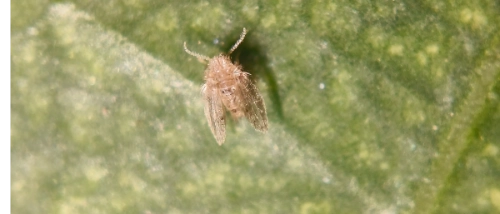
What Do Drain Flies Look Like?
Drain flies are tiny insects with bodies and wings densely covered in fine hairs, giving them a fuzzy or velvety texture. This distinctive appearance often leads people to call them “moth flies.” Their coloration varies from light gray to black. Unlike classic flies, they have large, leaf-shaped wings that they hold roof-like over their bodies to protect them when at rest.
They are weak fliers, frequently moving in short, hopping motions rather than sustained flight, making them easy to spot. You may also see them crawling rather than flying, especially near sinks, bathtubs, or drains where they breed.
Signs of Drain Fly Infestation
The first sign of a drain fly problem is spotting a few adult flies in your bathroom or kitchen. You might see them on walls, mirrors, or hovering above drains. If left unchecked, their numbers can increase rapidly. You might also notice:
- Clusters of tiny flies near sinks or showers
- Black specks on tiles or walls near drains
- Larvae wriggling on the sides of drains or inside pipe traps
If you notice drain fly larvae, this indicates active breeding and a more established infestation. Larvae are typically 4-10 mm long, legless, and pale with a dark stripe down their back. A professional pest control service knows exactly where to look to ensure eradication of adult and developing flies.
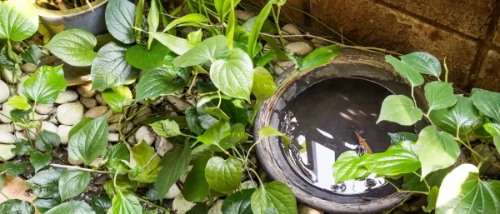
Understanding Drain Flies
Consequently, an infestation can indicate something is wrong with your plumbing or sanitation issues, indicating moisture problems that are not easily visible.
Main Cause of Drain Flies
The main cause of a drain fly infestation is the buildup where water sits stagnant. This could be in slow-moving or clogged drains, cracked pipes, sump pump basins, or beneath sinks indicating something is wrong with your plumbing, sanitation issues or moisture problems indicating something is wrong with your plumbing, sanitation issues or moisture problems. These areas provide the moisture and food necessary for breeding.
Drain flies are commonly found in both homes and businesses with poorly maintained plumbing. In homes, they breed in sinks, laundry rooms, and basements where water pools. In commercial spaces like kitchens, bars, and restaurants, they thrive in floor drains that aren’t regularly flushed. They also appear in food processing plants, hotels, and healthcare facilities where sanitation is critical but sometimes overlooked, especially in areas like grease traps and mop closets. Moisture combined with food waste creates the ideal environment for these pests.
Drain Fly Behaviors, Diet, Habitat & Life Cycle
Drain flies are nocturnal and tend to stay close to breeding grounds and are mainly active during the evening and nighttime. Their diet comprises organic debris, including hair, grease, food particles, and bacteria found in drain traps, sewer lines, and stagnant water. Drain fly larvae feed on the same material, contributing to the breakdown of sludge in pipes, which can compound the problem.
Drain flies are especially attracted to warm, humid environments, where moisture and organic material are abundant. These conditions provide the ideal nourishment both larvae and adult flies need to survive. The continuous food source for larvae, and the warmth accelerates breeding cycles. With these ideal conditions, drain flies can reproduce rapidly and breed year-round, as long as the environment remains favorable.
Typically, the drain fly life cycle is approximately eight to 24 days, from egg to adult. Larvae emerge from the eggs within 48 hours and feed for 9–15 days before pupating. The pupal stage lasts about 20 to 40 hours, when they transform into adult flies. The new adults can start reproducing within 24 to 48 hours. This rapid rate of reproduction highlights the need to tackle the problem quickly and efficiently.
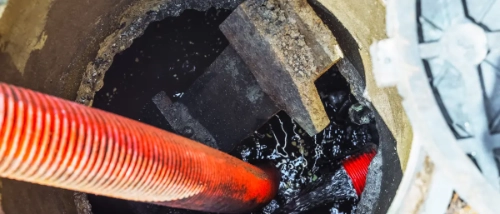
Drain Flies Health Hazard
These flies are not considered dangerous in isolation. They don’t bite or sting and are not known to spread disease directly. However, large infestations may contribute to poor air quality and can trigger asthma or allergy symptoms in sensitive individuals.
Drain or sewer flies can be a serious concern in commercial environments, particularly in hotels, food service or healthcare. They may indicate sanitation issues or plumbing problems and could result in failed inspections, reputational damage, or loss of business.
Common Places Targeted by Drain Flies
Drain flies will gravitate to any site with plentiful moisture and organic buildup. Standard residential and commercial hotspots include:
- Kitchen and bathroom sink drains
- Shower and tub drains
- Basement floor drains and utility sinks
- Grease traps and dishwashers
- Commercial mop closets and janitorial sinks
- Under appliances like dishwashers and refrigerators
- Sewer lines and septic tanks
Poor ventilation, infrequent plumbing use, or unnoticed leaks can all contribute to ideal breeding conditions. Rooting out flashpoints can be difficult, particularly in busy retail, foodservice and healthcare environments, and elimination is often best left to the professionals. Our experts use integrated pest management (IPM) methods to identify, eradicate, and prevent drain fly invasions.
How to Get Rid of Drain Flies
DIY methods for drain fly removal, such as pouring boiling water, using baking soda and vinegar, or installing homemade drain fly traps, can help reduce adult populations. Still, they rarely solve the root problem.
To get lasting results, you need to:
Identify All Breeding Sites
Identify and address breeding sources, such as under appliances, drains, and mop buckets.
Eliminate Organic Buildup
Clean drains thoroughly with a brush and enzyme cleaner. Remove gunk and biofilm where eggs and larvae may be hiding.
Address Underlying Moisture Issues
Tackle conditions before eggs and larvae mature, and continue to monitor for early signs of new activity, which helps reduce and limit repeat infestations.
However, this may not be enough for complete removal. Professional treatment offers a more reliable solution. Our technicians are trained to locate hidden breeding spots and use proven holistic solutions tailored to your home or business. This helps address both visible pests and the source.
Frequently Asked Questions
Though they aren’t known to transmit diseases, drain flies can carry bacteria and pathogens from one place to another. When they emerge from dirty drains and land on clean surfaces or food preparation areas, there’s a risk of contamination. Always clean surfaces thoroughly if flies have been around.
They prefer bacterial film found in underused sinks, floor drains, and basement plumbing. This includes the sludge that forms inside drains, soap scum, food waste, and residue in garbage disposals. They look for environments where moisture is constant and airflow is limited.
A drain fly infestation can last indefinitely, with continuous breeding cycles if left untreated. Each generation takes just over a week to develop. Effective cleaning and environmental correction can often resolve the infestation within two to three weeks, though this varies based on severity.
Female drain flies can lay up to 100 eggs at a time in organic-rich, damp environments like the inside of drain traps. The eggs hatch in under 48 hours, leading to rapid population growth if the conditions remain favorable.