© 2026 Rentokil Initial plc © JP Pest Services. All Rights Reserved.
Fungus gnats are generally harmless to humans, but they become a persistent nuisance once populations surge near entryways, moisture-prone areas, and indoor plants. In the New England area, they are the most common gnat species and the primary cause of local infestations. Due to their unique feeding habits, you are most likely to find fungus gnats in damp landscaping or organic-rich soil. Understanding their behavior and rapid reproduction is the first step in determining when to seek professional gnat control.
For businesses, fungus gnat activity can affect the comfort of employees and customers, particularly in lobbies, cafeterias, and atriums. Managing an infestation starts with identifying moisture sources and removing breeding material. For professional fungus gnat control services, count on the JP Pest Services team to provide effective, long-term solutions tailored to the New England climate.
Species: Lycoriella spp
Season: Spring, Summer, Autumn, Winter
Size: 2–5 mm
Region: Throughout the U.S.
About Fungus Gnats
Fungus gnats are tiny, flying insects often mistaken for fruit flies. They are most active indoors around potted plants, greenhouses, and areas with damp soil. You will often notice adults flying in short, erratic patterns near plant pots or resting on nearby windows and walls. While adult gnats are mainly a nuisance, their larvae can live in the soil and feed on organic matter and the roots of plants.
Seeing Flies?
Call now to book your free inspection.
Appearance
Adult Fungus Gnats are small and slender with long legs and antennae. They are usually dark gray or black and measure approximately one-eighth of an inch in length. Their wings are clear, and they resemble tiny, mosquito-like creatures. The larvae are much harder to spot. Fungus gnat larvae live just below the soil surface and look like small, translucent worms with a dark head.
Lifespan
The fungus gnat's lifespan is relatively short, but its ability to reproduce quickly is what causes problems indoors. Adult gnats typically live for about one to two weeks. During that time, females can lay hundreds of fungus gnat eggs in moist soil. These eggs hatch into larvae within a few days, allowing populations to grow rapidly when conditions are right.
Seasonality
Indoors, fungus gnats in house environments can be active year-round. They tend to be more noticeable in cooler months, when plants are kept indoors, and windows are closed. Overwatered plants and poor drainage create ideal conditions regardless of the season.
Larvae and Eggs
The real issue usually lies beneath the soil surface. Fungus gnat larvae feed on fungi, decaying organic material, and sometimes fine plant roots. This feeding can weaken plants over time, especially seedlings or stressed houseplants. Eggs and larvae thrive in consistently moist soil, which is why watering habits play such a large role in an infestation.
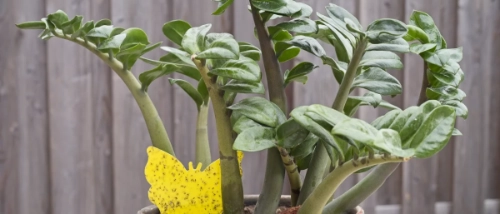
Why Fungus Gnats Invade Homes
Most infestations begin with plants. New houseplants, potting soil, or even herbs brought indoors can already contain fungus gnat eggs or larvae. Once inside, the combination of warmth, moisture, and organic material allows them to multiply. Kitchens, bathrooms, and plant-filled living spaces are common hotspots, especially where the soil remains damp for extended periods.
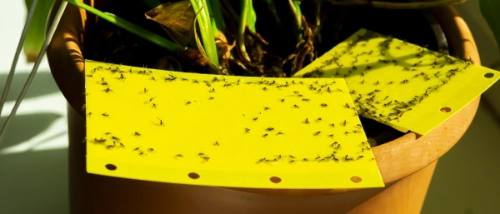
Fungus Gnat Prevention
Preventing fungus gnats begins with controlling moisture. Allowing the top layer of soil to dry out between watering makes it harder for larvae to survive. Good drainage is essential, as standing water in saucers or pots creates ideal conditions for breeding. Removing decaying plant material and keeping floors and counters clean also reduces the number of attractants.
While basic steps can help reduce activity, prevention alone may not solve an established infestation. When larvae are already present in the soil, professional fungus gnats control can help address the issue at its source.
Other Related Pests:
Frequently Asked Questions About Fungus Gnats
Fungus gnats do not bite people or pets. They do not feed on blood and are considered a nuisance rather than a direct health threat.
Flesh fly bites are rare and usually not aggressive. In unusual cases, irritation or infection can occur if larvae come into contact with open skin or wounds. If you experience redness, swelling, or discomfort, consult a healthcare provider immediately.
Success depends on treating both the visible adults and the hidden larvae. Reducing moisture helps, but professional fungus gnats treatment is often the most effective way to manage ongoing infestations and protect your plants.
You will usually find fungus gnats near potted plants, especially in rooms with limited airflow or frequent watering. They may also gather near windows, sinks, or drains as adults move toward light and moisture.
Treatment frequency depends on the severity of the infestation and environmental conditions. In many cases, follow-up treatments may be recommended to address newly emerging adults and help prevent reinfestation. Our technicians will explain timing and next steps so you know what to expect.