© 2026 Rentokil Initial plc © JP Pest Services. All Rights Reserved.
Species: Eptesicus fuscus
Season: Spring, Autumn, Winter
Size: Four to 5.25 inches long
Region: Throughout the U.S.
Threats: They can carry disease and damage property
The big brown bat is one of North America’s most widespread bat species. Recognizable by its broad wingspan, glossy brown fur, and strong, deliberate flight, it thrives in a variety of habitats, including the hardwood forests in the White Mountains, Vermont’s Green Mountain National Forest, and farmlands and river valleys throughout New England.
Thanks to their remarkable versatility, these bats have learned to coexist with people. This is why they are equally at home in man-made environments, such as warehouse complexes, food-processing facilities, and historic buildings in commercial hubs across Massachusetts, Maine, and New Hampshire. If you’re trying to determine the bag species on your property, this big brown bat identification guide can help.
Big Brown Bat Characteristics
The big brown bat (Eptesicus fuscus) is a medium-sized species with a wingspan of 13 to 14 inches. Its fur ranges from rich chestnut to dark brown, with darker wings and a short, rounded muzzle. Broad ears help it detect prey using echolocation, allowing it to track and capture insects in complete darkness.
Big browns are robust flyers with a slow, steady wingbeat compared to smaller species like the little brown bat. In New England, sightings are more common at dusk when they leave their roosts to feed on insects through the night, returning before sunrise to rest.
Their sturdy jaws can crush hard-shelled beetles, setting them apart from other local bats that feed mainly on softer insects. This unique feeding ability makes them valuable allies to both farmers and homeowners.
Struggling with Bats?
Call now to book your free inspection.

Big Brown Bat Life Cycle
Their lifecycle is shaped by New England’s changing seasons. Mating occurs in the fall, but fertilization is delayed until spring, when females emerge from hibernation and form maternity colonies to raise their young.
After a 60-day gestation, females give birth to one or two pups between May and June. The pups stay with their mothers for four to five weeks before learning to fly and hunt on their own. By late summer, juveniles are fully independent, and the colony begins preparing for winter. Their maximum lifespan can be up to 19 years in the wild.
During hibernation, big browns slow their metabolism dramatically, allowing them to survive for months without food. They typically hibernate in buildings, caves, and rock crevices, choosing spaces that stay above freezing. Some even overwinter in attics or wall voids, leading to occasional midwinter encounters when temperatures briefly rise.
However, because big brown bats are protected wildlife, removal can only take place during specific times of the year. Disturbing them during hibernation or their maternity season, when females give birth and raise flightless pups, is prohibited; therefore, professional timing and guidance are essential when dealing with an active roost.
Big Brown Bat Habitat
The big brown bat habitat stretches across forests, farmlands, and cities throughout New England. Naturally, these bats roost beneath loose bark, rock cavities, caves, or within hollow trees; however, as deforestation and urbanization expand, they’ve adapted to using man-made structures. This behavioral shift is also partly due to the loss of significant portions of cave and mine habitats caused by the fungal disease, white-nose syndrome (WNS), which thrives in these cold, damp areas.
The big brown can tolerate a wide range of temperatures and elevations, from sea level to 3,800 meters in mountainous areas. This adaptability enables it to thrive in areas where other species cannot, although it also increases the likelihood of human interactions. They’ll roost in attics or the space behind siding in homes and apartment blocks, and also exploit exposed warehouse rafters, roof voids, or signage ledges of commercial buildings.
If you’re hearing noises in the walls or attic, big brown bats may be the reason. Professional inspection and humane commercial or residential pest exclusion can safely remove bat colonies and prevent infestations before damage or health risks develop.

Common Roosting Areas
In common with many other bat species, the big brown bat often prefers manmade structures that mimic their traditional outdoor roosts. Across New England, their roosting habits vary depending on the type and size of the property.
You’ll find them tucked away in the eaves or behind exterior siding, where heat is trapped, or in unused chimneys, garage rafters, ceiling joists, or gaps near roof vents. Homes with older construction, loose shingles, or exposed soffits are also inviting.
Alternatively, they’ll settle in roof trusses, behind insulation, or along the ductwork of distribution centers and manufacturing facilities. Grocery stores and food-processing plants also attract bats to exterior loading bays or signage where night lighting draws insects, their primary food source.
Regardless of the setting, bats are drawn to areas with stable temperatures and quiet environments where they can safely rest or form maternity colonies during the warmer months. Over time, guano buildup beneath these roosts can lead to odors, stains, and health concerns, making professional cleanup and humane exclusion essential to prevent compliance violations and ensure long-term bat control.
Where They Are Found in Homes
In homes throughout New Hampshire, Massachusetts, Maine, and Vermont, big brown bats are typically found in hard-to-reach, high-up areas, including gable vents, dormer peaks, chimney flues, or even under solar panels. In fact, virtually any dark, isolated, and warm location will appeal to bats. Because they return to the same roosting sites year after year, once a colony establishes itself, it’s essential to seal entry points after humane removal. Routine inspections and residential pest exclusion will help to prevent repeat infestations.
Big Brown Bat Diet
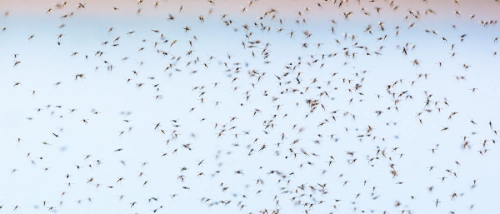
Their diet centers around beetles, moths, flies, and mosquitoes. Using echolocation, they can detect and capture insects mid-flight with pinpoint precision. A single bat can eat thousands of insects in one night, significantly reducing pest populations naturally. Females are especially active feeders during maternity season, consuming their body weight in insects nightly to sustain milk production.
In agricultural settings, these bats help to control crop-damaging beetles, while in urban areas, they prey on insects attracted to outdoor lighting near logistics warehouses and parking lots. Their natural pest control role underscores the importance of humane exclusion, rather than extermination, when managing colonies.
Seasonality
Big brown bats are most active from late May through early October. During the summer, females gather in maternity colonies to give birth and bring up their young. By July and August, young bats take flight, often noisily, within attics or barns as they learn to navigate. In fall, adults and juveniles prepare for winter hibernation, seeking out stable environments where temperatures remain above freezing.
Role in the Ecosystem
Big brown bats play an essential role in maintaining balanced ecosystems and supporting agriculture. As prolific insect predators, they help control pest populations that harm crops and spread disease. A single colony can consume hundreds of thousands of insects in a single night, saving farmers and homeowners from costly pest problems.
Because forest clearing and urban expansion have reduced natural roosting sites, big brown bats increasingly rely on buildings for shelter. This overlap highlights the need for responsible management that protects both people and bats. JP Pest Services promotes safe, humane bat removal practices that protect New England’s ecosystems while keeping homes and businesses secure.
Browse Other Pests
With New England’s mix of forests, older buildings, and shifting seasons, species like carpenter, pavement, and odorous ants find plenty of opportunities to forage and establish colonies in convenient buildings.
Carpet beetles and flour beetles slip indoors and feed on natural fibers, pantry items, or accumulated debris. Their small size and slow, steady activity make them easy to overlook, allowing populations to build as the seasons change.
German and American cockroaches are common in New England, settling in humid basements or along pipe chases. Their robust and versatile nature enables them to withstand seasonal temperature shifts.
Frequently Asked Questions
Yes. Big Brown Bats enter hibernation in late fall, typically from November through March. They prefer protected spaces that stay above freezing, such as attics, basements, and wall cavities. During warmer spells, a bat may occasionally wake and appear indoors, especially in older homes with accessible entry points.
Big Browns can fit through openings smaller than half an inch. Common access points include roofline gaps, loose siding, vents, and chimneys. Once inside, they roost in attics, crawl spaces, or between walls. Sealing these openings and maintaining your home’s exterior are the best ways to prevent entry. For active colonies, JP Pest Services offers humane removal followed by professional sealing to prevent their return.
While Big Brown Bats are not aggressive, they can bite if handled, and a small number carry rabies. Their droppings (guano) can harbor a fungus that causes histoplasmosis, a respiratory infection. It’s safest to avoid direct contact and use professional bat exclusion and cleanup to restore healthy living conditions.