© 2026 Rentokil Initial plc © JP Pest Services. All Rights Reserved.
We all want to enjoy the outdoors in warmer months, but often stinging insects spoil the fun. Wasp and hornets are especially active in summer, building nests in areas where people gather. They disrupt activities and gatherings with their threat of painful stings and dangerous allergic reactions. Identifying nests early and working with a professional hornet removal company is the safest way to handle infestations.
With decades of experience, JP pest services can help you stop worrying about these stinging insects and allow you to enjoy your outdoor spaces. We offer professional wasp control and hornet pest control for homes in New England, reducing risks and limiting future nesting around your property.

Enjoy the Outdoors with Protection from Stinging Pests
As the weather warms in New England from April through to October, patios, porches, and backyards become ideal gathering spots for friends, family and uninvited stinging insects. Nests often appear under eaves, in sheds, near decks, or in trees from early spring onwards. When left alone, colonies can grow quickly, leading to aggressive behavior and higher chances of stings.
Unlike bees, which play a larger role in pollination, wasps and hornets are more defensive of their nests. This behavior can dampen the mood of summer for you and your family, as you may be more reluctant to go outside in order to avoid stings. That’s why preventative measures before the summer comes along can prove more beneficial than reactive pest control.
Professional Wasp & Hornet Control in New England
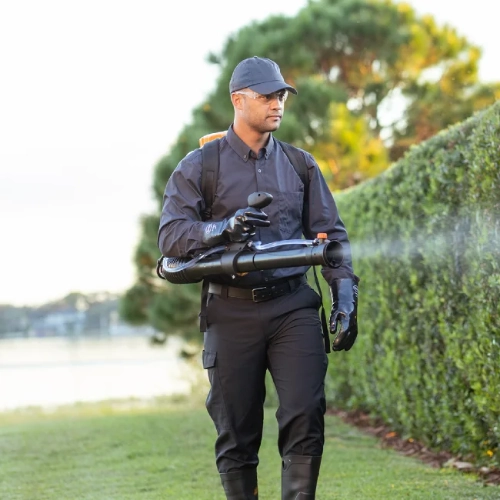
At JP Pest control, we'll tailor our services to your home, wherever you are in New England. We can identify the species, locate nests, and apply treatments that will remove populations safely.
New England’s classic home styles often create perfect nesting spots for stinging insects. Wasps and hornets favor eaves, dormers, and rooflines on Cape Cods and Colonials, while shingle and farmhouse designs can attract carpenter bees to exposed wood. Barns and connected farmhouses provide sheltered rafters and wall gaps for hornet and yellowjacket activity. Our team knows how to spot these problem areas and address them before they become a bigger issue.
Identifying Wasp & Hornet Threats Around Your Property
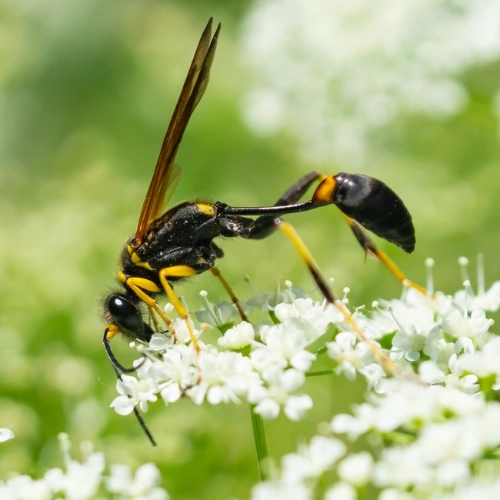
Knowing the difference between wasps, hornets, and bees helps determine the best approach. Wasps are slender with narrow waists and smooth bodies, while hornets are larger, more robust, and often darker in color. Bees are hairier and less aggressive, focusing mainly on collecting pollen.
Hornets and wasps both build paper-like nests. Hornets often create large aerial nests in trees or under rooflines, while wasps may nest in sheltered areas such as attics, sheds, or underground cavities. Spotting these hornet nests early helps prevent infestations from becoming more dangerous.
Dangers of Having Wasps & Hornets on Your Property
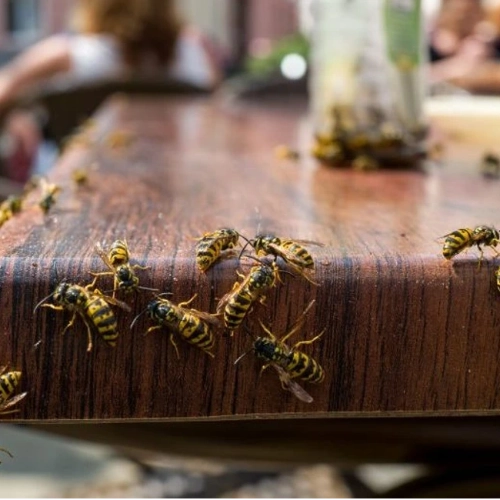
The main risk associated with wasps and hornets is their sting. While most stings cause temporary pain and swelling, some individuals experience severe allergic reactions that require immediate medical attention. Even without allergies, multiple stings can be painful and disruptive.
As if suffering a sting or multiple stings wasn’t reason enough to eradicate wasps and hornets from your residence, the nests themselves can cause minor structural damage to your property if left undisturbed.
Large nests increase the chances of aggressive behavior. When disturbed, wasps and hornets defend their colonies by stinging repeatedly, making DIY removal unsafe.
If you suspect you have a nest, contact a professional hornet exterminator or wasp removal company for the safest course of action.
What Our Customers Are Saying:
Our Wasp & Hornet Control Process
At JP Pest Services, our Wasp and Hornet control approach is tailored to your property and the unique conditions that allow stinging pests to thrive. Rather than relying on one-size-fits-all sprays, we build a plan based on real inspection findings. JP Pest Services also gives you access to our on-call support, ensuring a quick response if new nests appear. By combining immediate action with preventive measures, we keep your property better prepared for future infestations.
Inspection
Our team identifies nesting locations, determines the specific species present, and evaluates the risks to people on the property.
Treatment
Using EPA-registered products, we apply targeted treatments directly to nests to eliminate current activity and reduce the likelihood of new colonies forming.
Follow Up
After treatment, we provide tailored recommendations to help reduce the conditions that attract wasps and hornets. We recommend a comprehensive prevention plan that protects your property all season long.
Don't Let Wasps & Hornets Get Comfortable in Your Yard
Leaving nests untreated allows colonies to grow, making them harder to manage and more dangerous. Partnering with a reliable hornet services provider ensures nests are handled safely and efficiently. Whether it's a single nest or recurring activity, our services are designed to address the issue at its source.
For homeowners, this means enjoying time outdoors without constant worry. For businesses, it ensures customers and staff are protected from unwanted encounters.
Wasp & Hornet Species We Handle
Understanding the species present is essential in choosing the right treatment. Accurate identification makes hornet control and wasp management safer and more effective.
Aggressive ground-nesting wasps known for defending their colonies fiercely.
Large hornets that build aerial nests and deliver painful stings.
Solitary bees that bore into wood, causing structural damage.
Important pollinators that may require careful relocation when nesting near homes.
Slender wasps with open-comb nests often found under eaves or in sheds.
Don’t Let Wasps and Hornets Get Comfortable in Your Yard
Let JP Pest Services eliminate your stinging pest issue at the source.
Call 1-800-222-2908
Wasp and Hornet Control Frequently Asked Questions
Wasps are slender and smooth-bodied, hornets are larger and darker, and bees are hairier and focused on pollination.
Spring and early summer are best, as nests are smaller. However, nests can be removed at any time by professionals.
Yellow jackets, bald-faced hornets, and paper wasps are among the most frequently encountered species in the region.