1-800-222-2908 Call Now Book a Free Consultation

Raccoons are known for invasive home intrusions as they scavenge and search for shelter. They are a constant irritation for homeowners across New England. Trying to remove them yourself can lead to bites, scratches, and exposure to raccoon feces, all of which can spread disease to people and pets.

Raccoons harbor diseases, like rabies and canine distemper, which can put your family and pets at risk. They can also carry parasites, including roundworms and fleas, that may spread indoors. Due to the health dangers, local laws, and potential for property damage, these animals require safe and humane raccoon removal by trained experts. In many areas, it's illegal for homeowners to trap or relocate raccoons on their own, and doing so without proper permits could lead to fines or other penalties.

Residential Raccoon Control

With their black masks and ringed tails, raccoons are easy to recognize and hard to ignore. Though often spotted near garbage cans, these animals are adaptable and clever. They can easily tear into roofs, nest in your attic, and raid bird feeders or pet bowls. 

At JP Pest Services, our raccoon pest control focuses on identifying activity, safely removing the animal, and preventing it from coming back. Our exclusion services are designed to block raccoons from re-entering, using proven methods to secure vulnerable areas. We work with you to reduce food sources, cut off access, and restore calm to your home.

Contact Us to Schedule a Free Inspection Today!

If you have a problem with raccoons on your property, we can help you out. Call us today to discuss your needs and get a free quote.

* Required field

Download this report

What can we help you with today? *
Are you a *

Signs of Raccoons on My Property

Wondering if you're dealing with a raccoon infestation? Here are common signs:

  • Loud noises or scratching, especially in the attic at night
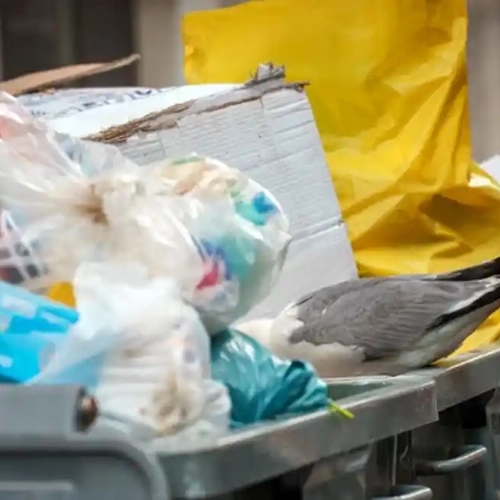
  • Overturned trash cans or scattered garbage
  • Damaged vents, soffits, or roofing materials
  • Tracks or smudges near entry points
  • Unusual smells or droppings in your home or yard

These signs often indicate that raccoons have moved in or are visiting regularly. For your safety, contact us as soon as you notice these signs.
What Brings Raccoons to the Neighborhood

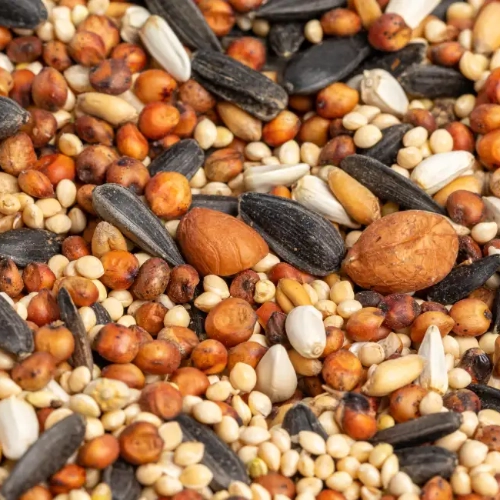
Raccoons are motivated by food, shelter, and safety. You could be an easy target if they wander into your neighborhood and you leave food or waste exposed. They’ll take advantage of food scraps, bird baths, and fallen fruit. 

In New England, districts such as the Merrimack Valley, the Seacoast Region, Greater Boston, and Southern Vermont often report raccoon activity due to their mix of residential homes and nearby natural habitats. Homes near parks, rivers, or dense tree lines are more likely to see raccoons attempting to settle in.

Between feeding, they’ll make dens that protect their young, away from predators, tucking them into sheltered spaces like hollow logs, brush piles, or beneath porches and stone walls. 

Raccoons are vigorous climbers and can scale siding, fences, or downspouts to reach the roof. Ideal den locations might include attic spaces, sheds, chimneys, or crawl spaces in your townhouse, condo, or duplex. 

Dangers of Having Raccoons on your Property

New England homeowners should keep their distance to prevent disease transmission. Rabies, raccoon roundworm, leptospirosis, and other diseases can spread through a single bite, scratch, or contact with raccoon feces. The presence of raccoons also invites fleas, ticks, and mites into your home.

Beyond health risks, raccoons cause physical damage. They can rip open soffits or rooflines, destroy insulation, or gnaw on wiring, creating fire hazards. Depending on local wildlife regulations, DIY removal is risky and may be illegal. If you break the law, whether you realize it or not, you could incur a fine.

That’s why licensed professionals, like JP Pest Services, should always handle raccoon control and removal.

Why Choose JP Pest for Raccoon Control Services

When you work with JP Pest Services, you have access to professionally trained technicians. Our specialist teams assess risk, manage removal, and block future access to your home.

Every raccoon situation is different, depending on your building type and vulnerabilities. We’ll customize a plan to suit your circumstances, whether you live in a single-family dwelling or multi-unit apartment building.

We follow all legal guidelines, and if relocation is permitted, it will only happen after we confirm the raccoon poses no health risk to other wildlife. In cases where a raccoon is sick or aggressive, we follow state-mandated procedures for safe handling.

Our Raccoon Control Process

Our expert technicians identify and remove raccoons from your property in a humane manner. Our service involves assessing the animal. If we suspect or confirm it is diseased or poses a threat to humans and other animals, the raccoon will not be released back into the wild. Here’s what you can expect from us:

Inspection

We start with a detailed look at your property, identifying signs of wildlife activity, potential nesting areas, and conditions that may attract nuisance wildlife.

Removal

Our team uses humane, state-compliant methods to remove wildlife and address problem areas. We focus on safe removal, exclusion, and deterrence to prevent animals from returning.

Support

We share recommendations to reduce future wildlife issues and can provide additional services as needed to help protect your home and property.


Don't Let Raccoons Get Comfortable in Your Yard

Call 1-800-222-2908

Get A Free Estimate

Chat with a Team Member


JP Pest Library

Raccoon Identification Guide

Because raccoons hind legs are longer than their front ones, raccoons carry themselves with a hunched appearance when they move. The front feet have five toes that allow raccoons to hold and manipulate their food.

Season: Spring, Summer, Autumn

Size: 9.1 - 12 in.

Region: Throughout the Eastern United States

Related Articles

Frequently Asked Questions

Wildlife laws often make it illegal to trap or relocate raccoons without a license. Raccoons may also act aggressively or carry diseases. You should leave raccoon removal to professionals for your safety and legal protection.

The most effective approach combines humane trapping, exclusion, and habitat cleanup. Blocking entry points, securing food sources, and trimming back trees can help. DIY methods are rarely enough to solve a raccoon problem.

Seal off access to the attic and crawlspaces, secure trash cans, remove outdoor pet food, and use raccoon-proof lids. Consider motion lights or fencing for additional deterrents. We offer customized plans to help you prevent future activity.

We Provide Business Protection

Find Your Local Branch

Go

About Us

Protecting New England since 1925 with trusted pest solutions. Join our community-focused, expert team for worry-free results.