1-800-222-2908 Call Now Book a Free Consultation

Red Squirrel

Request a Free Quote

The Red Squirrel is one of the tree squirrel family's most recognizable members. Known for its reddish coat and high-pitched calls, this small but energetic mammal is common across forests of the northeastern United States, including New England, New Hampshire, and Vermont. Its bold behavior and territorial nature make it significant in both natural environments and residential areas. For homeowners, understanding the characteristics, life cycle, and seasonal habits of the Red Squirrel is essential when it comes to recognizing potential conflicts and planning pest control solutions.

At JP Pest Services, our experts frequently encounter cases of flying squirrels in NH, particularly during colder months when these animals seek warmth and security inside homes and commercial buildings. Understanding their characteristics, behavior, and natural habitat is essential for appreciating their role in the ecosystem and managing potential conflicts when they move too close to people. 

Species: Sciurus vulgaris

Season: Spring, Summer, Autumn

Size: 7.5 – 9 in. body and 5.9 – 7.9 in. tail

Region: Throughout North America

Red Squirrel Characteristics

The red squirrel, also called the American red squirrel, is distinct from its gray cousins in both appearance and behavior. Its fur is typically a rich reddish brown along the back and upper body, with a paler white or cream underbelly. Seasonal variations occur, with the coat becoming thicker and sometimes grayer in winter for insulation.

One of the red squirrel's defining features is its loud and persistent vocalizations. These chattering sounds, often called scolding calls, mark territory and warn intruders away. Unlike gray squirrels, which often share foraging areas, red squirrels are fiercely territorial and quick to defend their food stores.

Their sharp claws and strong hind legs allow them to climb trees easily and leap across branches. This agility makes them highly adapted to life in dense forests, but it also allows them to move into attics, sheds, and other man-made structures when the opportunity arises.

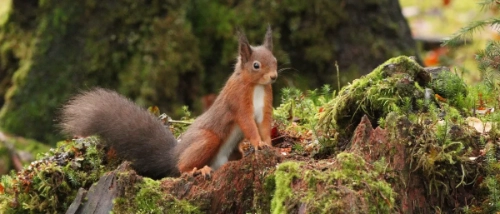
red squirrel climbing around a tree stump

Red Squirrel Life Cycle

The Red Squirrel's life cycle follows the northern forests' seasonal rhythms. Mating typically occurs in late winter, often as early as January or February, and again in early summer. Females usually give birth to two litters per year, with an average litter size of three to five young.

After a gestation period of about 35 days, the young are born hairless and blind, requiring several weeks of care in the nest. By about 8 weeks, juvenile squirrels are fully furred and capable of venturing out on their own. However, they may remain in their mother's territory briefly before dispersing.

Red squirrels generally live three to five years in the wild, although some can live longer under favorable conditions. 

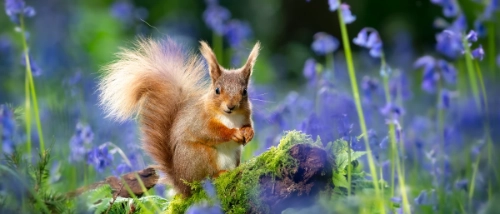
red squirrel climbing around a tree stump

Red Squirrels in New England

Red Squirrels are well established across New England, including New Hampshire, Vermont, and surrounding states. Their adaptability to forested landscapes, both coniferous and mixed hardwood, makes them a common sight in rural areas and wooded suburbs.

In New Hampshire, Red Squirrels can be observed year-round, busily gathering and storing cones, nuts, and seeds. Vermont's woodlands provide ample habitat as well, where squirrels play a role in dispersing seeds and maintaining forest health. Despite their ecological value, they are also regarded as a more challenging species for homeowners, as they are quick to explore attics, wall voids, and sheds for nesting opportunities.

The population of red squirrels in New England has remained relatively stable. However, competition with larger gray squirrels in some areas has led to changes in local distribution. Unlike gray squirrels, however, red squirrels thrive in conifer-heavy forests where food and shelter suit their preferences.

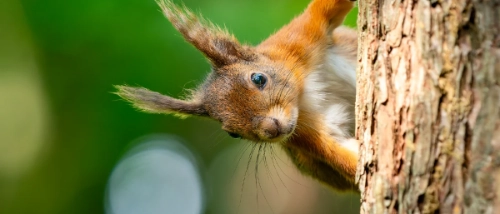
A red squirrel (Sciurus vulgaris) in cute pose whilst looking around a tree trunk

Behavior and Traits of Red Squirrels

Red squirrels are known for their bold and energetic behavior. They are diurnal, meaning they are most active during the day, particularly in the early morning and late afternoon. They are not nocturnal, though homeowners may still hear them scurrying in attics at dawn or dusk as they search for food or maintain their nests.

One of the more unique traits of the red squirrel is its habit of creating middens. A midden is a collection site where squirrels store pine cones, nuts, and other food items. These piles can grow quite large and are usually defended vigorously. Middens serve as food caches that allow the squirrels to survive through the winter when resources are scarce.

Unlike some animals that hibernate, red squirrels remain active throughout the year. Their thick fur provides insulation, and they rely heavily on their stored food to survive the coldest months. During winter, they often reduce activity during extreme weather but do not enter hibernation.

Aggression is another defining characteristic. red squirrels are more territorial than many other squirrel species, frequently chasing away intruders, including larger squirrels. This makes them particularly visible and vocal in residential areas where multiple squirrels may be competing for resources.

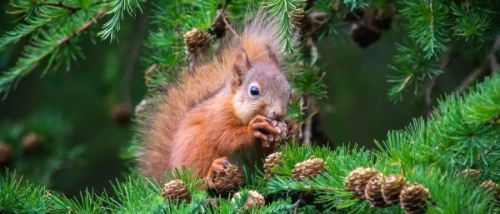
The little squirrel high up in the tree feeding away

Diet and Feeding Habits

The diet of the red squirrel is dominated by seeds from conifer trees, especially pine cones. Their sharp incisors allow them to strip cones and extract the nutritious seeds efficiently. In deciduous forests, they also consume acorns, nuts, and seeds from hardwood trees.

Beyond seeds and nuts, red squirrels eat mushrooms, berries, and occasionally bird eggs or insects. Their adaptability ensures they can survive in a variety of habitats. Still, their preference for conifer-heavy forests sets them apart from gray squirrels.

In fall, they spend much time gathering and storing food in middens, which can be used throughout the winter. This behavior makes them essential contributors to forest ecosystems, as uneaten seeds and nuts often germinate and contribute to forest regeneration.

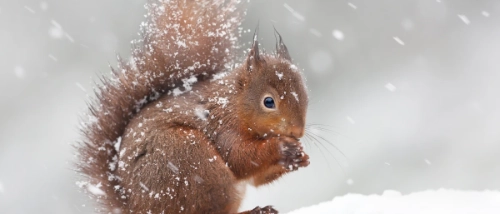
red squirrel sitting in the snow covered with snowflakes

Seasonality

Red squirrels are active every season, but their behaviors shift depending on the time of year. In winter, they rely heavily on stored food and may take shelter in attics or crawl spaces. In spring and summer, they are busy raising young and expanding territories. Autumn is a particularly active season, as they work tirelessly to gather and store food for the coming cold months.

This seasonality is essential for homeowners to recognize, as the likelihood of an infestation often increases in the fall when squirrels are actively seeking shelter and food storage locations.


Ready to Get Started

Contact us today for a free, no obligation quote!

Call Now 1-800-222-2908


Our Squirrel Control Services

For those dealing with unwanted squirrel activity, professional pest control for squirrels offers the most effective way to protect structures, prevent damage, and restore peace of mind. If squirrels have entered your home, contact us for expert home pest control services, and we’ll help move the squirrels on efficiently and humanely.

JP Pest Services provides humane, effective solutions to remove squirrels and prevent their return. Our process combines detailed inspection, safe removal, and proven exclusion methods to protect your home long-term.

Frequently Asked Question

Unlike gray or red squirrels, Northern Flying Squirrels (Glaucomys sabrinus) are strictly nocturnal. They emerge from their nests about an hour after sunset and stay active until dawn. If you hear heavy "thumping" or "scurrying" in your attic around 2am, it’s almost certainly a flying squirrel and not a common gray squirrel.

In the wild, they build "dreys" (compact nests of twigs and leaves) high in coniferous trees. In New Hampshire and Vermont, red squirrels frequently adapt from trees to human structures, preferring to nest in insulated wall voids, attic corners, and soffits. They are known for "caching" or hoarding large piles of pinecones and nuts inside these voids, which can cause rot and moisture problems.

No. Red squirrels remain active year-round. They may stay in their nests during extreme New England blizzards, but they do not hibernate. As they’re constantly active, they continue to gnaw on electrical wiring and wooden supports throughout winter, causing a significant fire hazard in homes.

They are “diurnal”, which means they’re active in daylight hours, with peak activity in the early morning and late afternoon. If you hear "scurrying" or "scratching" sounds in your ceiling, specifically at sunrise, you likely have a squirrel rather than a nocturnal rodent like a mouse or flying squirrel.

Mating occurs in late winter, February to March, and often again in summer. They produce 1 to 2 litters annually, with 3 to 5 pups per litter. Safety Warning: A "mother" red squirrel is incredibly protective. So if you try any "DIY" exclusion in the spring, it can cause aggressive behavior. Even worse, trapping young kits inside your walls can cause significant stench and sanitation problems.

Is Your Attic a Squirrel Cache?

In your attic, red squirrels don't just live. They store pounds of debris and chew through vital infrastructure. Identifying the entry point is the only way to stop the cycle. Find out more about our Wildlife Control Services.

Browse Other Pests

Go

Find Your Local Branch

Go

About Us

Protecting New England since 1925 with trusted pest solutions. Join our community-focused, expert team for worry-free results.


For Service & Immediate Attention
Call 1-800-222-2908