© 2026 Rentokil Initial plc © JP Pest Services. All Rights Reserved.
Updated on: July 21 2026
Quick Overview
- Open windows and doors to let single, stray bats exit the home naturally
- Identify roosting areas by searching for guano, urine stains, or exit points in attics
- Avoid cleaning bat droppings yourself as they carry dangerous respiratory diseases like Histoplasmosis
- We can seal entry points only between September and April to comply with federal protection laws
- Install bat houses nearby to provide a beneficial alternative roosting spot for the colony
Finding a bat in your house can be a frightening experience, but the bat is likely to be more scared than you.
Bats are highly unlikely to cause you any direct trouble in your home. But their presence brings a host of other potentially serious health issues. So it’s critical to remove and prevent bats before the problem gets out of hand.
Read on to find out how you can find and remove bats; the risks bats pose; how to clean up after bats; bat-rehousing options; when bats can be removed; and when to call in professional help.
Locate And Remove All Bats
Not all bat encounters in your house may be alike. For some homeowners, the encounter may be a one-off with a confused young bat in the wrong place at the wrong time. In other instances, the problem may be more extensive and require a more meticulous approach.
What You Should Do if a Single Bat Gets Inside
Occasionally, bats find their way into houses, most often during summer nights between July and August. They are mainly due to young bats (pups) that have left their roost and just starting to fly.
Homeowners can usually easily handle these types of bat encounters. Young bats caught inside usually circle a room several times searching for ways to get back outside. The best way to remove a bat in this situation is to simply allow it to find its own way out.
- Don’t chase or swat a bat with any household objects. This panics bats, making it much harder and longer to remove them.
- Do not handle a bat if it lands to rest.
- Seal off the internal area where the bats are located as best as possible: close all interior doors and remove any pets from the area.
- Open windows and exterior doors to encourage the bat or bats to exit on their own—so it stays calmer and works out a solution at its own pace.
- Do not handle a bat if it lands to rest
- Try to scoop a resting bat into a household container, and release it outdoors. It’s best to wear gloves to do this so you don’t come into direct contact with it.
- If necessary, contact a pest professional to safely and completely remove any bats.
If You Find Bats Roosting In Your Attic
If your bat problem extends beyond a single chance encounter, your solution may require a bit more work.
Obviously, the first step to getting your home bat-free is to physically remove any bats who may be hiding out unseen. Often, bats will congregate somewhere dark and undisturbed with access to the outside—such as attics, roofs, and crawl spaces.
Although looking for bats may seem the best first step themselves, they may not always be there when you do. So check for guano, or bat droppings, under and around prime hanging spots: brick walls, wooden beams, and open gaps in wooden frames. Look for urine stains on the walls along these hanging spots can also to locate their approximate entry point. You can confirm this by watching these areas for bats entering and exiting, typically during the evening hours in late July and August.
Once you’ve located the bats, you can take steps to safely contain them before calling on an experienced pest management professional to humanely handle and remove the bats outdoors.
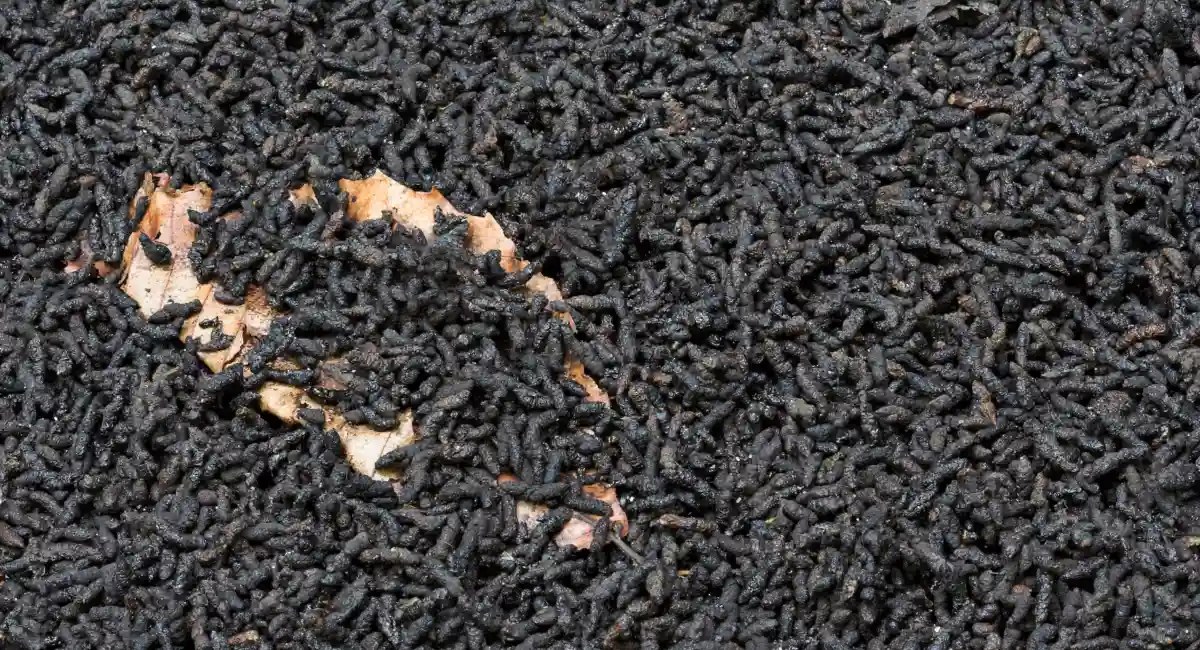
Safely Clean Droppings and Any Remnants
While bats can often carry diseases like rabies, the most dangerous risks come from their droppings. These can spread many dangerous (and even deadly) diseases and parasites. Bat guano can contain Histoplasmosis, which can cause serious respiratory infections in humans.
Bats can also carry blood-sucking bugs that can attack and infect humans nearby.
Extended periods of fecal buildup often requires sanitation, removal, and replacement of attic insulation before an area is safe to enter again.
Exposure to bat droppings can be dangerous, so it’s critical to have proper hygiene standards when cleaning and disposing of any bat droppings or carcasses in roosting spaces. For most homeowners, the safest solution is to call a pest professional who can safely and securely sanitize your space.
Bats Are Protected in the US
Bats are a federally protected species in the United States. So they can’t be trapped, removed or sealed inside during their maternity season, usually May to August, unless it enters your bedroom, kitchen or living room. For other areas of your property, JP Pest Services can inspect your home at this time, so we can safely and humanely remove any bats from September to April.
Identify and Seal Entry Points
Bats will usually find the easiest entry point for quick in and out when feeding. Cut off that entry point (legally from September to April) and they may just be forced to find roost elsewhere to roost, leaving your home bat free and protected from unwanted interlopers.
The most common entry spots include attic vents and windows, spaces in between wood frames, and through holes caused by damage or age. These can are often be hidden at first glance, so it’s good to have a pest professional identify their entry points. You can then seal off access and keep bats from ever getting inside your home. Make sure there are no stragglers left inside before you close the exit.
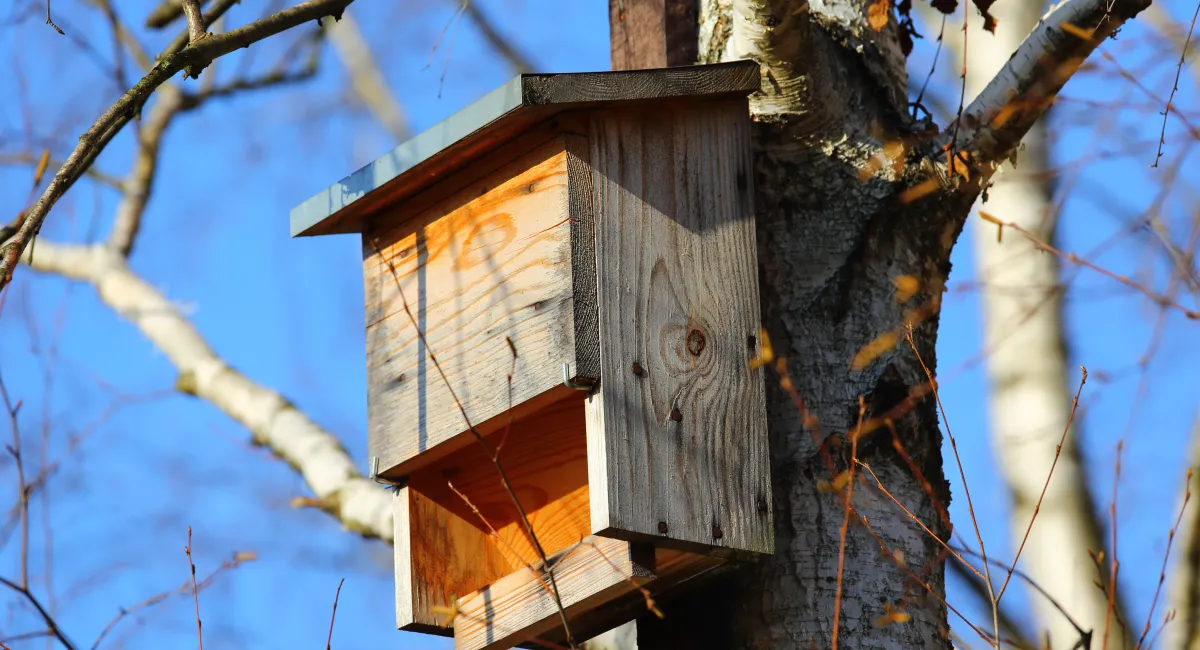
Consider Offering Alternative Bat Spaces
Bats roosting in your home aren’t malicious: they mean you any harm. In fact, as insect-eaters and mosquito snatchers, bats are actually highly beneficial to the local ecosystem. So it may be a good idea to offer bats an alternative roosting spot nearby—then they won’t be as tempted by your attic.
Bat boxes and bat houses are as easy to set up as a birdhouse, but offer ideal roosting space for bats and their pups. Consider installing a bat house on a tree or a flat surface facing south or southeast (with around 6 to 8 hours of sun) at least 10ft off the ground. By giving bats a better alternative nearby, you make your home less appealing and allow bats to live in peace a helpful neighbor for those buggy summer nights.
Get Professional Help With Excluding Bats
A bat problem won’t solve itself. Taking action ensures that bats are removed safely, effectively, and without harming either you or the animals.
Do you have a bat problem, or suspect you might do? Get in touch with our experienced bat removal professionals at JP Pest Services.
We understand that bats are an essential part of a healthy and properly functioning ecosystem, and our licensed and professionally trained wildlife technicians use one-way excluder doors that enable bats to leave the structure but do not allow re-entry. Because bats are easily able to find new places to dwell, they’re able to be successfully relocated back into their natural environment. We’ll get your attic bat-free, so you can get back to enjoying the summer.
Book Your Free Pest Inspection Today
Our local technicians will assess your property and recommend tailored solutions. Fast, friendly, and completely obligation-free.
- Safe, targeted treatments
- Local experts, fast response
- Trusted, trained technicians